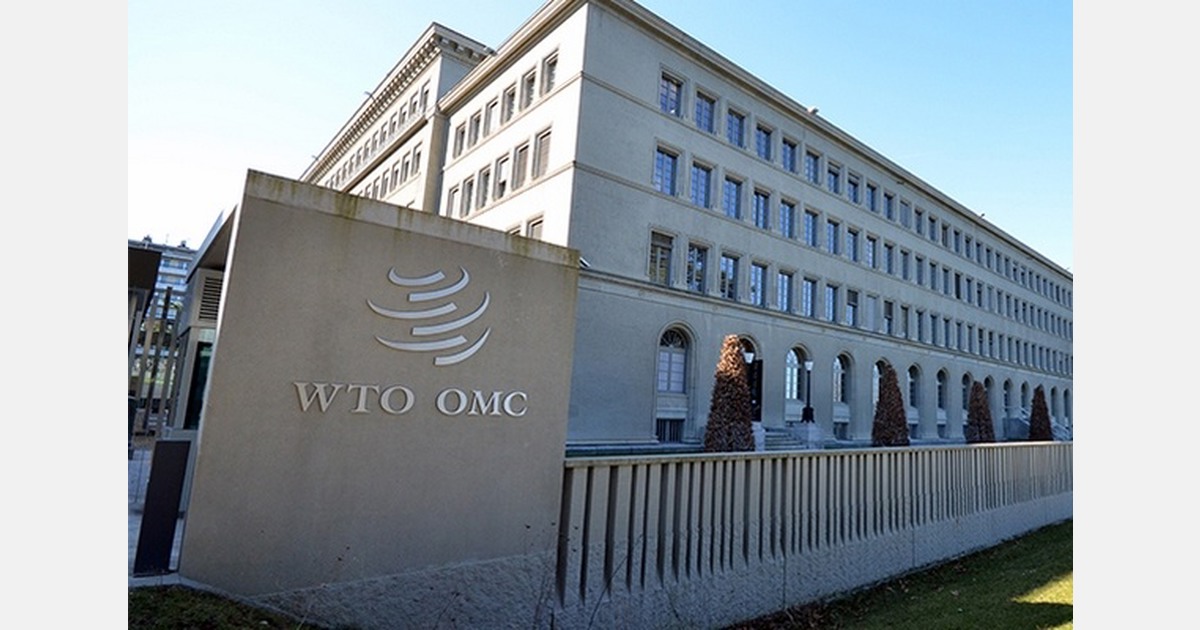
World Trade Organization talks ended without agreement after Brazil blocked a proposal by the U.S. and other countries to extend a moratorium on customs duties for electronic transmissions.
WTO Director-General Ngozi Okonjo-Iweala said the e-commerce moratorium has expired, meaning countries can now apply duties on digital goods such as downloads and streaming. She said discussions will continue. “They need more time, and we didn’t have the time here,” she said.
© WTO
The outcome reflects ongoing divisions between members. Diplomats worked to bridge differences between Brazil, which initially supported a two-year extension, and the U.S., which sought a permanent extension. A proposal for a four-year extension with a one-year sunset period to 2031 was discussed. Brazil later suggested a four-year extension with a mid-term review, but no agreement was reached.
Developing countries have raised concerns that extending the moratorium limits their ability to generate tax revenue from digital trade. A U.S. official said Brazil opposed a “near-consensus document”, adding: “It’s not U.S. vs Brazil. It’s Brazil and Turkey v 164 members.” A Brazilian diplomat said “the U.S. wanted the sky,” and that Brazil supported a shorter extension in line with previous agreements.
WTO talks were held in Cameroon and are expected to continue in Geneva in May, according to conference chair Luc Magloire Mbarga Atangana.
The meeting also addressed broader reform of the WTO. A draft roadmap outlining timelines and key issues was discussed but not finalised. Further negotiations will focus on decision-making processes in the consensus-based system and on trade benefits for developing countries.
The discussions take place amid wider changes in global trade policy. Proposals include increasing transparency around subsidies and adjusting rules to address concerns raised by the U.S. and the European Union regarding current trade practices.
Source: Reuters / DatamarNews