In early 2026, a preliminary anti-dumping duty of 132.83% was announced on certain palladium imports from Russia as part of an ongoing trade review. The decision is still under review, and the outcome may change.
Even before a final ruling, the announcement caught the attention of many manufacturers. For companies that rely on catalytic converters and emissions systems, palladium is an important material. When supply conditions shift, businesses often start reviewing procurement plans, supplier diversity, and pricing risk.
The broader lesson is that critical minerals are not only a mining story. They are also a supply chain story. Industries often depend on materials that consumers rarely notice. Yet, those materials can influence production planning across manufacturing, transportation, and technology.
The Metal Underneath Every American Car
Palladium is a platinum-group metal used mainly in catalytic converters. These components help reduce emissions from gasoline vehicles.
Most drivers never think about palladium. However, small amounts of the metal appear in catalytic converters installed in millions of vehicles. As a result, automakers and parts suppliers rely on steady access to this material.
Vehicle assembly plants across the United States produce millions of vehicles each year. These operations support a large network of suppliers that manufacture exhaust systems, engine parts, and emissions components.
Palladium also appears in several other industries. Certain electronics, refining processes, and specialized medical devices may require small amounts of the metal as well. As a result, supply shifts in the palladium market can affect multiple sectors simultaneously.
When international trade measures or market restrictions affect the flow of industrial metals, companies often begin reviewing their dependence on specific sourcing regions.
The Skaergaard Intrusion
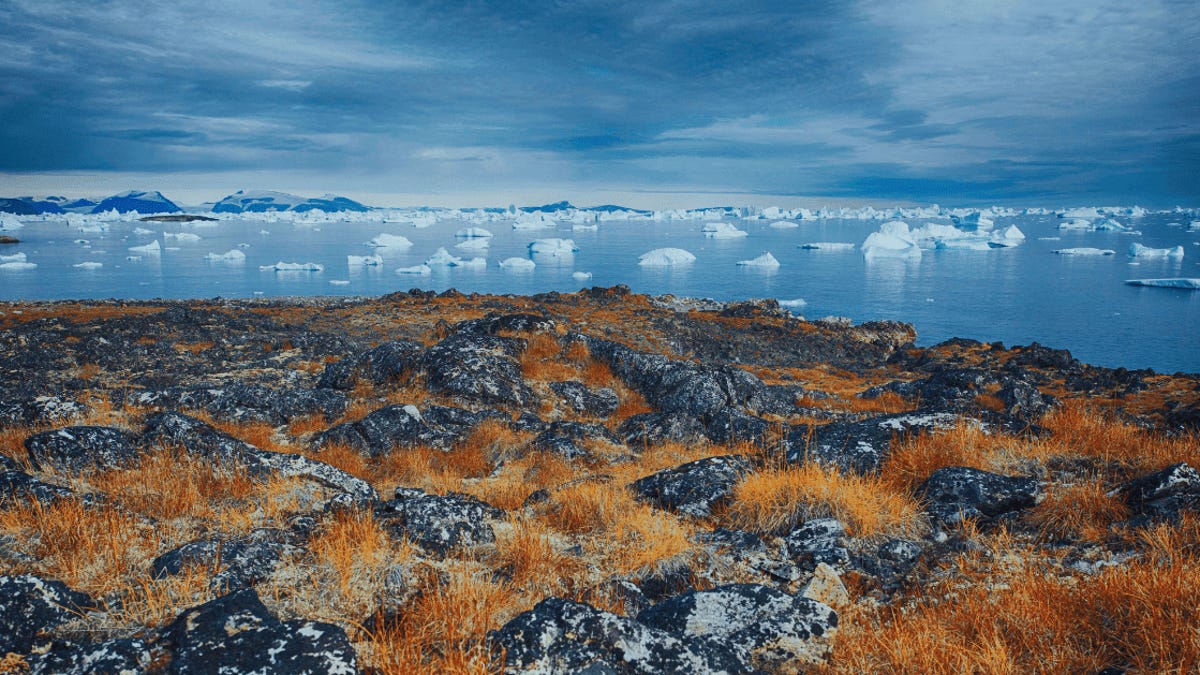
One example often discussed in conversations about future mineral supply is the Skaergaard Intrusion in Southeast Greenland. The site has attracted attention among geologists for decades because of its layered mineral formation.
Scientists first documented the formation in the 1930s, and later research identified zones containing palladium, platinum, gold, and copper. Over time, exploration programs collected drilling samples and geological data that helped researchers understand the deposit’s structure.
Universities and exploration teams have studied the project for many years. Geological drilling campaigns have produced resource estimates that are still being analyzed and updated by mining specialists.
Mining development projects typically move through several stages. Exploration data helps determine the scale of a deposit, but production decisions involve environmental review, financing, infrastructure planning, and various permitting processes.
Because of these steps, projects like the Skaergaard formation often remain part of long-term supply discussions rather than immediate production plans.
In recent industry developments, a company reported that it completed its acquisition of Greenland Mines Corp., which holds exploration rights for the Skaergaard site. Transactions like this often occur as companies review future mineral opportunities. Still, exploration activity does not necessarily guarantee future mining operations.
Not the Rare Earth Story
Greenland has attracted attention in the mining sector for several types of minerals, including rare-earth elements. Rare earth materials are often associated with renewable energy equipment, electronics, and certain industrial technologies.
Palladium discussions tend to follow a different timeline. Demand for catalytic converters and other industrial uses already exists in the current manufacturing system.
Because of this, analysts sometimes examine palladium supply alongside vehicle production and industrial activity. When supply conditions change, companies may review sourcing strategies and price exposure.
At the same time, developing new mineral sources can take many years. Exploration programs must progress through multiple stages before a project becomes a producing mine.
This long timeline is one reason why manufacturers often monitor mineral exploration activity even when production is not expected immediately.
Why Greenland Works
Remote regions such as Greenland have become more visible in conversations about mineral supply in recent years. Exploration companies often study these regions because of their geological potential and mineral diversity.
Mining activity in the region operates under established licensing frameworks that include environmental assessments and operational approvals. Exploration projects in the region typically require extensive geological surveys and drilling programs before further development decisions are considered.
The coastal geography of some mineral sites can influence logistics planning. Access to shipping routes, air transport, and seasonal infrastructure can affect how exploration teams operate in Arctic environments.
Historically, some Arctic mineral projects remained largely theoretical because of limited infrastructure or economic conditions. In recent years, however, exploration technology and global mineral demand have renewed interest in studying deposits in remote areas.
For this reason, projects connected to the Skaergaard region sometimes appear in discussions about future mineral exploration.
The Moment
The recent change affecting palladium imports highlights a broader issue many manufacturers face: supply chains often depend on materials sourced from a limited number of regions, which can trigger periods of supply chain realignment when sourcing conditions change.
When trade conditions or market disruptions affect those sources, companies may review how they manage supply risk. Procurement teams sometimes explore alternative suppliers, adjust purchasing timelines, or track commodity markets more closely.
Projects like those associated with the Skaergaard formation illustrate how exploration activity can become part of long-term conversations about supply diversification. They are one example of how companies and analysts study potential mineral sources when planning for the future.
At the same time, new mining supplies rarely appear overnight. Exploration, permitting, financing, and construction can take many years before production begins.
For manufacturers in industries such as automotive, electronics, and industrial equipment, that timeline means planning. Supply chain resilience often depends on understanding where materials come from and how quickly alternatives could emerge if market conditions change.
Investing involves risk and your investment may lose value. Past performance gives no indication of future results. These statements do not constitute and cannot replace investment advice.