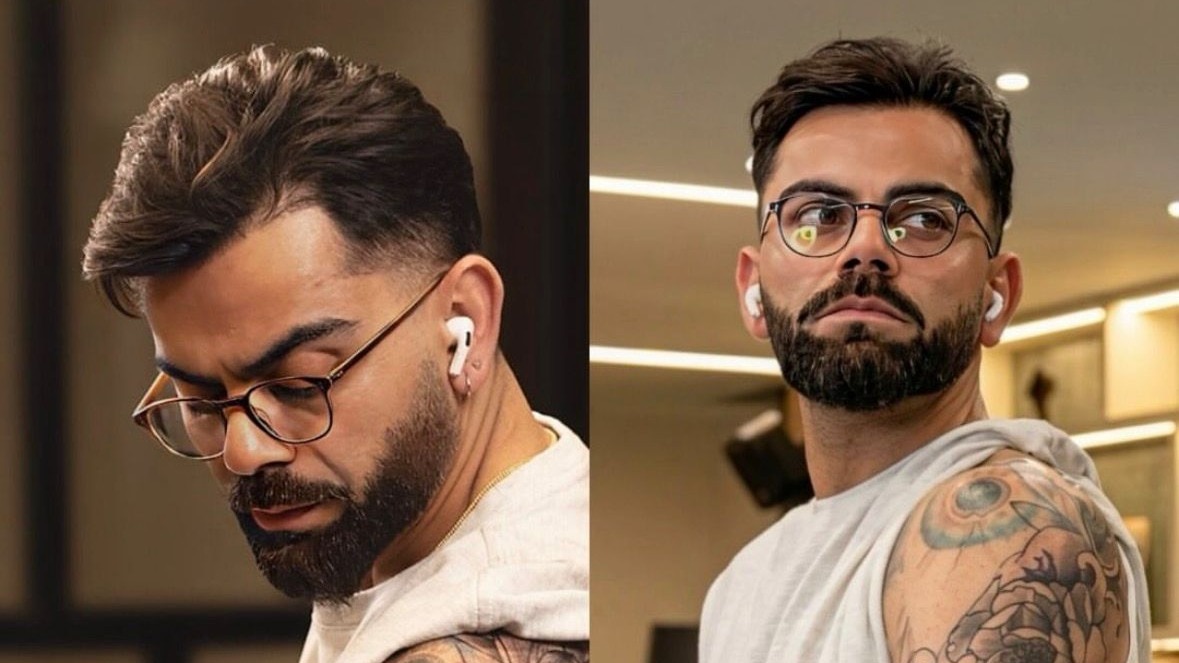
The buzz around Virat Kohli’s tattoos has reignited the debate around tattoo ink safety. While vegan inks are being promoted as cleaner alternatives, experts say the difference may not be as significant as it seems.
Vegan tattoo ink is cruelty-free, meaning it does not contain any animal-derived ingredients and is not tested on animals. These inks are often formulated using cleaner, plant-based or synthetic alternatives and are available in multiple colours.
On the other hand, traditional black or coloured inks may not always be cruelty-free, as some formulations can include animal-derived components or may not follow cruelty-free testing standards.
Quantum Ink is widely described as a premium tattoo ink known for its formulation. Tattoo artists highlight that it is:
Vegan and cruelty-free
Made with ingredients like olive oil, cocoa butter, and rosehip oil
Acrylic-free
Lab-tested for safety
They also note that with proper care, tattoos made using such inks can last 3–4 years without major fading.
WHAT THE TATTOO ARTIST SAYS
According to tattoo artists, newer inks like Quantum Ink are designed to align with modern preferences for cleaner and more skin-conscious products.
“Quantum Ink is vegan and cruelty-free. It uses ingredients like olive oil and rosehip and is lab-tested. It’s made to be safer and long-lasting if proper aftercare is followed.”
WHAT THE DERMATOLOGIST SAYS
Dermatology expert Dr. Deepali Bhardwaj offers a more grounded view on the trend.
“It’s largely a mindset. There is no major difference between black ink tattoos and vegan tattoos. I myself have tattoos and don’t feel any difference. It depends on your skin sensitivity.”
She further clarifies
“There is no proven skin cancer risk simply because of tattoos. If you prefer, you can opt for vegan ink, but there isn’t a significant medical difference.”
Experts agree that the real factors influencing tattoo safety include:
Labels like “vegan” may influence perception, but they do not eliminate all risks.
While vegan inks like Quantum Ink reflect a shift towards conscious choices, dermatologists emphasise that the difference is often more about mindset than medical necessity. Ultimately, safe tattooing comes down to quality, care, and individual skin response not just the label on the ink.
– Ends