
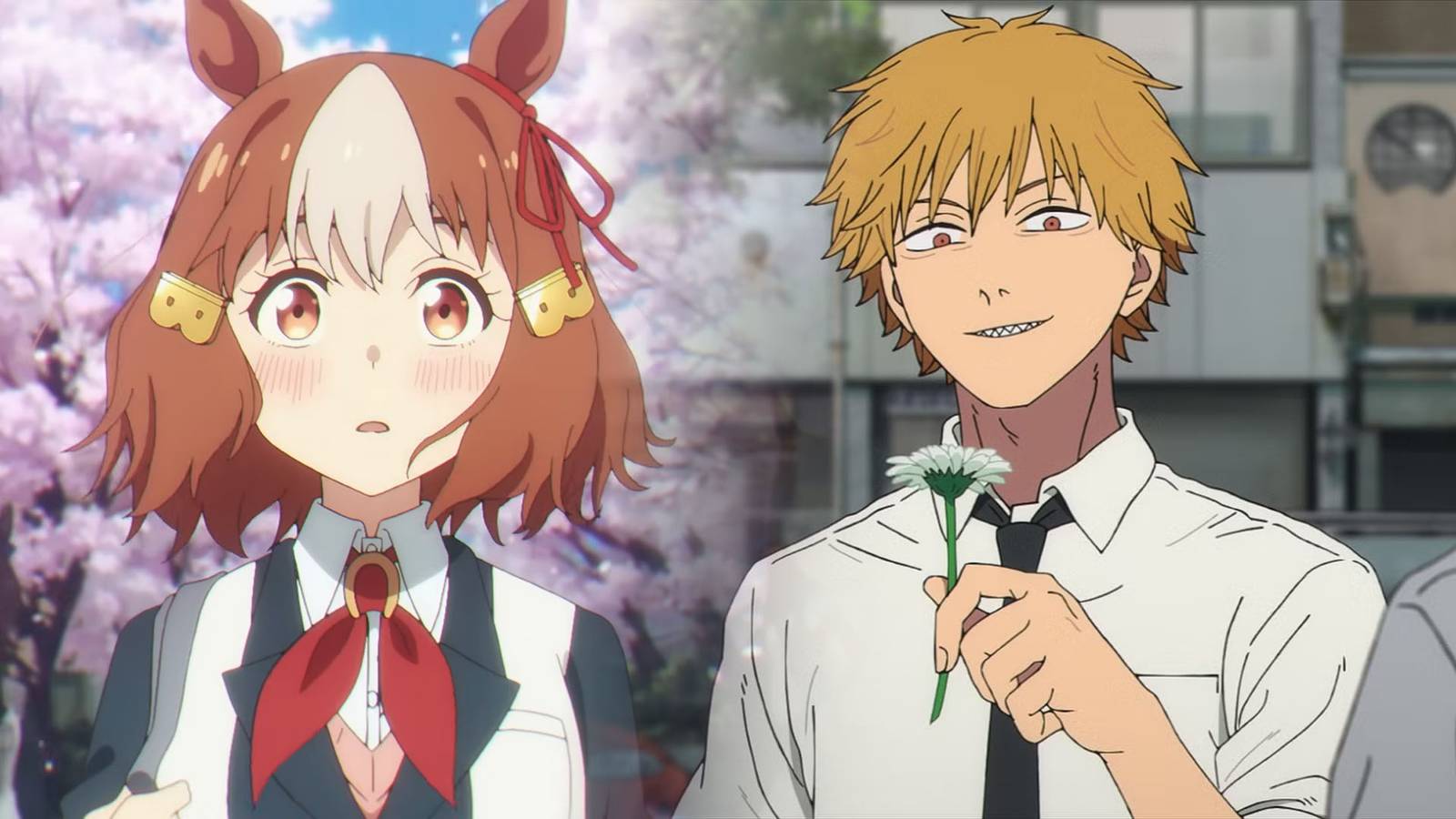
Anime is enjoying a great moment both inside and outside Japan. This year’s winter season features so many good shows it’s difficult to find time to watch them all, while Demon Slayer: Infinity Castle and Chainsaw Man – The Movie: Reze Arc outperformed Hollywood tentpole productions like Superman in movie theaters. Anime is experiencing a global boom, which could push producers to look at overseas audiences as their main source of revenue. However, producing their work with non-Japanese audiences in mind may be a mistake, according to many titans of the industry. And I agree with them.
Tomohiko Ito, the director of Sword Art Online, acknowledged the explosive growth of Japanese animation worldwide, but also warned that, “There have actually been many cases where focusing too much on ‘global appeal’ has led to failure.” In his interview with Daily Shincho (translated by Automaton), Ito explained that artists and producers who try to create work that appeals to overseas audiences might not truly understand what Western audiences enjoy.
“I think Japanese people’s idea of what could be well-received worldwide is probably something people overseas don’t enjoy,” Ito said. “However, the emphasis on political correctness is strong in America, so they might think Japan is the only country that still produces works in which scantily clad girls battle, the kind of stuff that would be considered strange in North America.”
In addition to Ito, other important figures in the anime industry have shared their perspectives on pursuing overseas success by adapting their work to Western standards. For Hideaki Anno, Evangelion‘s author, the Japanese audience is his primary measure of success. “My stance is simple – it first needs to be a work that will be well received and found interesting in Japan, but if by any chance people overseas also found it interesting, I’d be grateful for that,” Anno said. He believes that anime can be understood and appreciated by non-Japanese viewers without creators having to adapt their work to themes and concepts more appealing to the overseas audience.
At the same time, Takeshi Natsuno, CEO of Kadokawa — one of the biggest media companies in Japan — defends that one “can create unique works by not marketing with the mindset of ‘Let’s make a manga that will sell [globally].’ It’s necessary to create a wide variety of intellectual property without compromising on quality.”
Samurai and demon hunters are Japanese cultural elements that have been normalized in the West (at least compared to things like horse girls). They’re easier to sell, and they naturally yield the highest profits. However, anime doesn’t need to rely on these concepts to be successful inside and outside Japan. Most classics, from Akira to My Neighbor Totoro, were actually made to resonate with Japanese audiences, yet they were able to communicate with anyone willing to listen to them — as art usually does. The pessimistic look at modern society in Akira and the struggles of the two kids in My Neighbor Totoro are sentiments other cultures share, but the movies’ impact when conveying these ideas comes from the Japanese nature of their aesthetic choices.
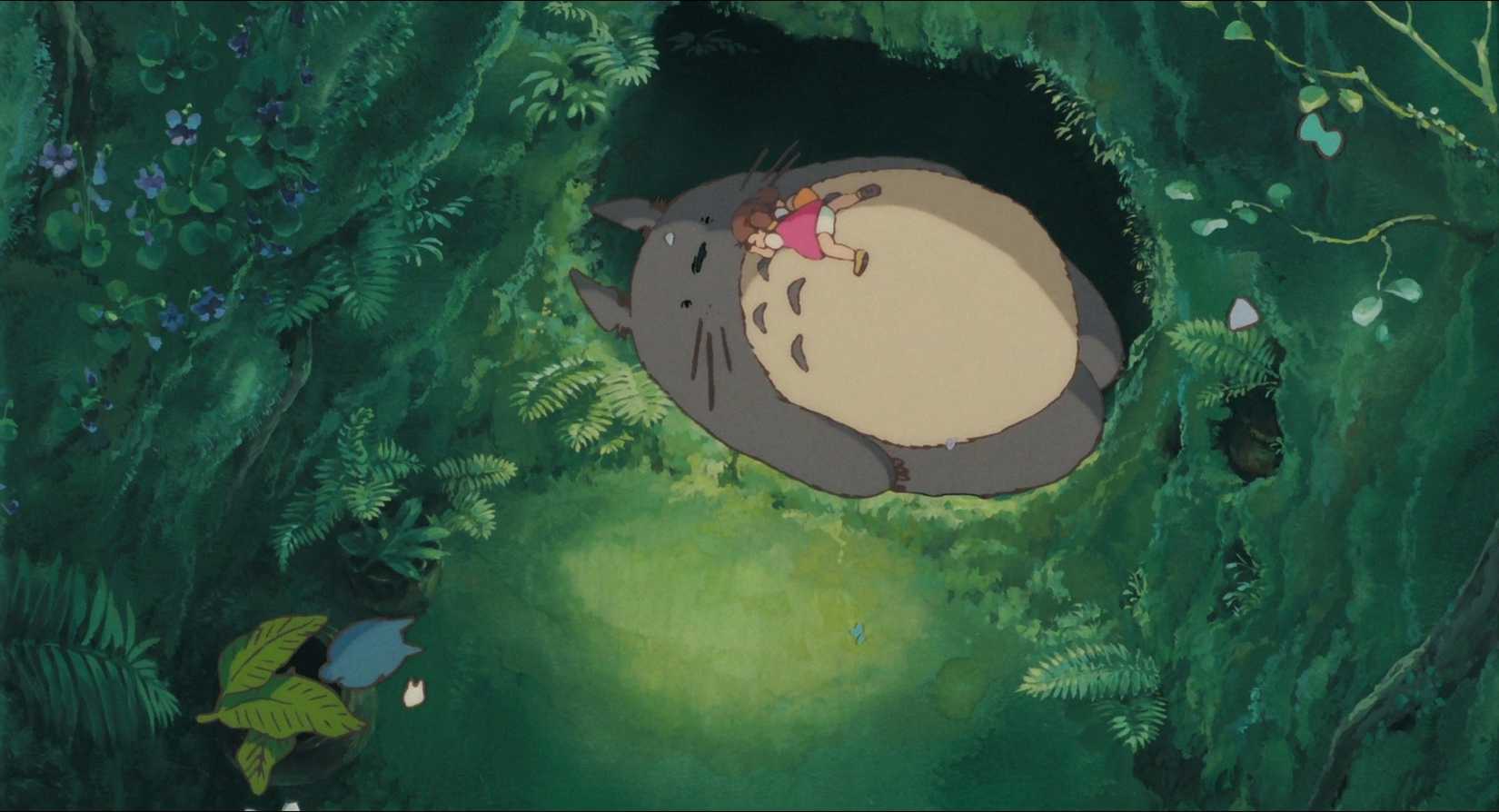
If Japanese artists develop their work with non-Japanese audiences in mind, they risk setting aside the uniqueness only found in anime. The characters and themes in Akira address Japanese society’s condition in the post-war era. To do so, symbols of that time were used, like the biker gangs. Although gangs are found all around the world, “Bosozoku” was a strong subculture in Japan between the 1950s and 1980s. These were groups of young people driving customized bikes, just like we see with Kaneda and his friends. In My Neighbor Totoro, a key element of the plot is the existence of forest spirits, an idea that comes from the religious tradition of Shintoism. It’s thanks to Shinto cosmology that a cat-bus is not an incomprehensible idea in the movie.
Western audiences can’t avoid looking at Japanese productions using their own morals and aesthetics, which could reinforce a movement of the industry to comply with the “political correctness” of the West as mentioned by Ito. However, the resistance toward some modern, more unusual anime productions is largely the product of an uneducated viewership, who still need to learn about the variety of productions the anime scene encompasses. Their preference falls into a few categories, and often their perception of other genres of anime is still rooted in prejudice, one that is directed toward Japanese animation as well as games.
In 2025, a striking example of this occurred when the gacha game Umamusume: Pretty Derby was officially released in the West. In this game’s world, there are umamusume, horse girls who go to special schools to train to become racers. Based on real racehorses, the characters are cute anime girls who were designed to have the personalities and traits of their real animal counterparts. Although the game has found enormous success and is now well-established in the West, the initial reception from the general public was mixed to say the least, as people tried to understand the appeal of “anime horse girls,” an inquiry often followed by a conspicuously sarcastic tone. After gaining attention as a meme, Umamusume proved its worth to part of the general public as a game capable of delivering memorable moments and a charming world.
Many anime still have to deal with similar situations due to viewers being resistant to less orthodox storylines and concepts. Some older shows might have been largely ignored by Western audiences for this reason. Released in 2019, Sarazanmai tells the story of three boys who end up transforming into kappas (Japanese folkloric figures) to fight the Otters. Part of their mission involves entering a giant humanoid manifestation of a person’s desire through their anus and removing their shirikodama, a pearl-like organ. Adapted from the manga of the same name written by Kunihiko Ikuhara (director of Revolutionary Girl Utena), Sarazanmai is a gem with a unique approach to the anime language, telling a beautiful coming-of-age story. However, for the mainstream audience to enjoy this show and all of its qualities (including the strong metaphors, like the anal incursions), they would have to be more open to the artistic choices made by the director for the narrative.
While Sarazanmai and Umamusume may sound niche, Demon Slayer and Chainsaw Man, with their demonic rituals, female characters with large breasts, and extreme violence, aren’t necessarily mainstream either. They are, however, concepts more easily digested by viewers around the globe. Although some of their artistic choices — like a man with a chainsaw head — strike new audiences as “weird,” the samurai figure that serves as the base for Demon Slayer is strongly present in Western culture, and a group of demon hunters is an idea well-established by works such as Hellboy.
Besides, decades of popular anime, such as Dragon Ball Z, Bleach, Naruto, and One Piece, have normalized for Western audiences the shonen narrative structure as well as some aesthetic choices. For example, Master Roshi’s pervy behavior in Dragon Ball and Denji’s obsession with the idea of touching a woman’s breast can be seen as part of a tradition.
Guided by the tempting global success some anime are achieving, the industry might push harder to create more of the same, hoping to surf the wave made by the likes of Demon Slayer and Chainsaw Man. However, fighting back the prejudice some anime shows suffer based on their genre and visuals would become more difficult in a scenario saturated with the same type of shows.
Instead of treating the overseas viewership as the standard, idealized audience for their art, Japanese creators must remember that their work can resonate with others regardless of where they are from. There are already universal themes and concepts being worked into anime, so making an “effort to reach Western audiences” is nothing but detrimental. Instead of thinking about how to please overseas audiences, there should be a push into learning about anime culture beyond what is in the mainstream. We need a broader conversation about anime — one motivated by the desire to educate the audience about the fantastic diversity that constitutes the medium.