Marc Levy Cambridge has funding to study a Porter Square business improvement district and to give tax incentives to fill empty storefronts.
A study of creating a business improvement district in Porter Square was approved Monday by Cambridge’s City Council after approval of a grant from the Massachusetts Downtown Initiative for up to $30,000 in consultant services.
Despite the name, the study will look not just at Porter, but along all of North Massachusetts Avenue: from Cambridge Common, just north of Harvard Square, to the Alewife Brook Parkway in North Cambridge. Under state guidelines, Bids must be around 70 percent commercial use, which helps determine the area covered, said Pardis Saffari, director of economic opportunity and development for the city. A majority of property owners in the study area must vote to approve creation of a Bid.

The Harvard Square Business Association membership area has crept up Massachusetts Avenue toward Porter Square. But many businesses and property owners in the study area lack a formal organization to advocate for them or coordinate on their behalf, addressing quality-of-life issues raised by locals such as cleanliness and safety concerns around shoplifting, drug needles and homelessness.
Along with news of the grant came word Monday that the state had chosen a consultant for Cambridge – Anne Burke, who worked with Central Square leaders to create a business improvement district there in 2019. Burke helped write the Bid legislation used by the state and applied it in creation of one in Springfield as a consultant in other cities.
“That’s someone with a lot of experience statewide and experience here,” Saffari said.
A kickoff meeting with Burke is being set for the next few weeks, to be followed by community conversations. The funding for a study ends with the fiscal year, so “we’ll hopefully complete it no later than June 30,” Saffari said of the consultant-led study.
Some have raised concerns that a Bid is not the appropriate first move and that starting a business association would be better. Both are nonprofits, but Bids bring financial obligations from property owners to pay for services rather than relying on voluntary membership dues.
The viability of the Bid will be assessed through the study for this reason, Saffari said.
“The consultant we’ve been matched with is familiar with both, so we will be able to get what we want out of the study,” Saffari said.
Empty storefront grant
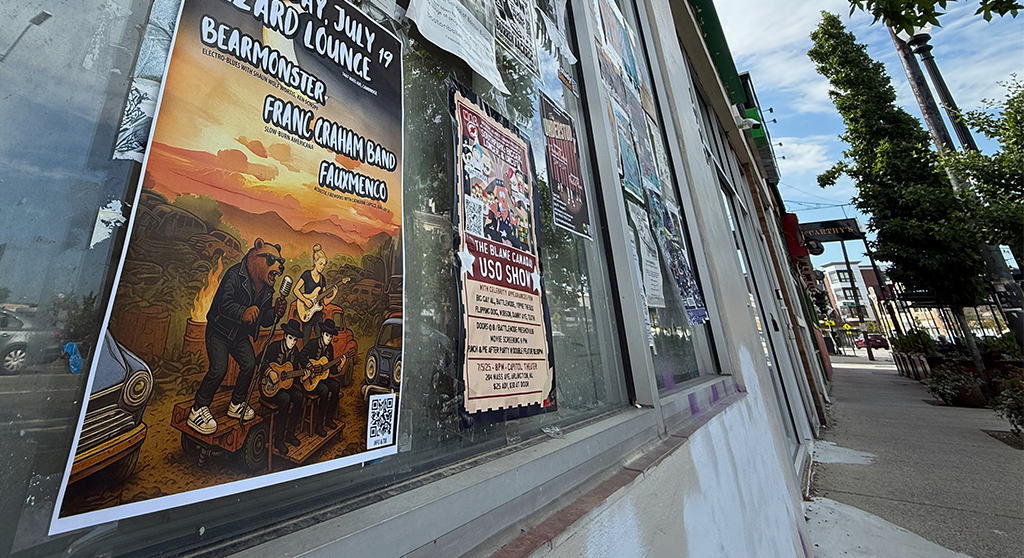
Also accepted Monday by the council, but for use citywide, was a $50,000 grant from the Massachusetts Vacant Storefront Program for refundable tax credits to encourage businesses to fill long-empty spaces.
It’s an issue “we have really talked about needing and having some real attention paid,” councillor Patty Nolan said. “The vacant storefronts, we struggle with.”
The struggle has started to pay off, Nolan noted.
“There are a couple of storefronts now that have big signs in the window for lease, which is a result of us making sure that happens,” Nolan said.
There will likely be five locations chosen by the state to get credits at $10,000 each, Saffari said.
“The city is not really involved with actually providing the tax credit. We just help the business owner apply to get that tax credit through their state taxes,” Saffari said.