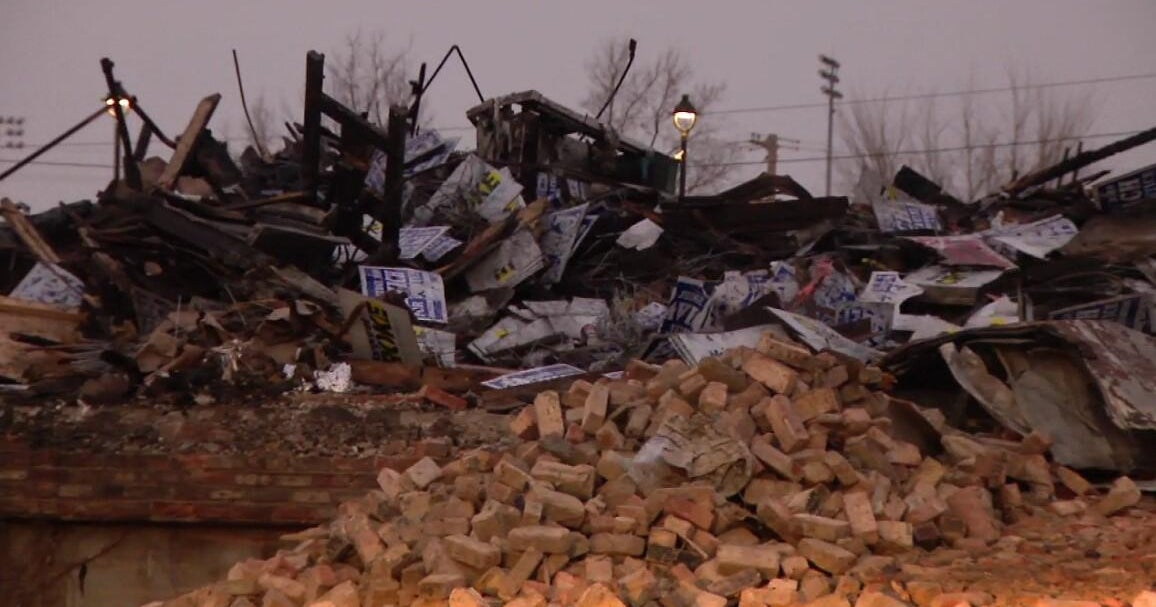
February marks six months since August’s historic flooding devastated southeast Wisconsin, and while that seems like a lot of time, some people are still working to get back to normal.
Rebuilding can be a challenge and a financial burden. This week is Flood Insurance Awareness Week in Wisconsin, prompting conversations about preparedness and protection.
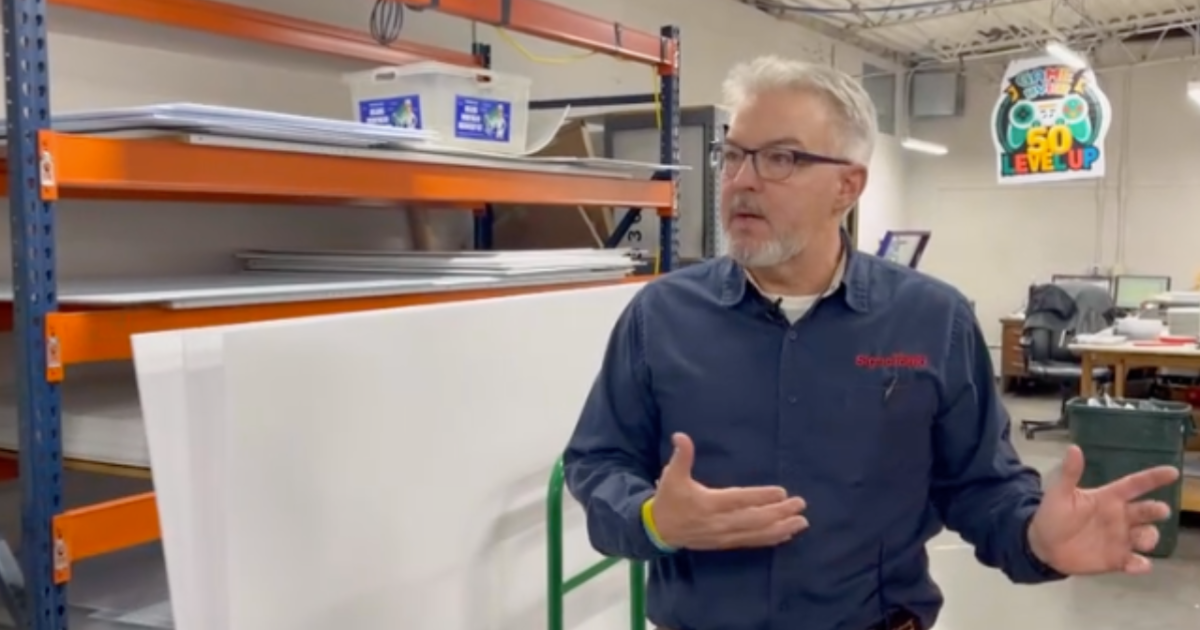
Brian Cass knows how to make signs. His State Street business Signarama Milwaukee has been doing it for years. But when rain flooded his parking lot last August, it was a sign.
“Yeah, 100%,” Cass said when asked if the flooding changed his thought process on how quickly flooding can happen and how businesses need protection.
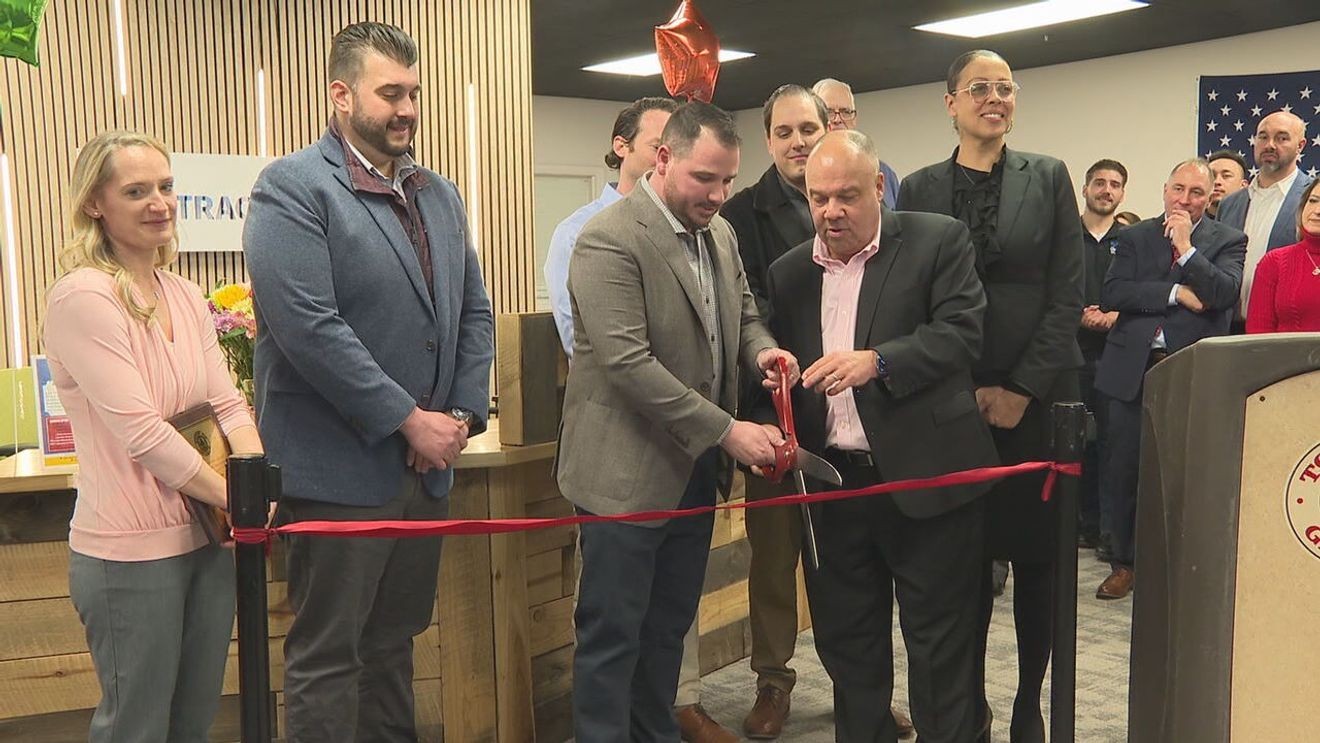
Cass was part of a larger conversation at his business with the state Insurance Commissioner, the executive director of the Milwaukee Metropolitan Sewerage District (MMSD) and others.
Watch: Six months after historic flooding, Milwaukee business owners talk about rebounding
Six months after historic flooding, Milwaukee businesses talk about rebounding
Kevin Shafer says MMSD has invested $631 million over 30 years on flood mitigation, including places like Wauwatosa’s Hart Park.
“It functioned great during the storm last August. It used to be a residential neighborhood. Now it’s a parkland and it’s got a small levee around it, so it kept the water from going into the city of Tosa,” Shafer said.
But questions remain about MMSD’s multi-billion-dollar deep tunnels, which are designed to prevent sewage overflow by capturing wastewater and stormwater.
One Facebook user asked why MMSD didn’t open flood gates earlier to minimize the flooding. Shafer says there are no “flood gates,” but tunnel gates were closed when they reached capacity.
Watch: MMSD explains what happens when the tunnel gates are closed
Questions remain about MMSD’s multi-billion-dollar deep tunnels, which are designed to prevent sewage overflow
“At that point, the tunnel’s full. It doesn’t matter if the gates are open or closed; you can’t get more water into the tunnel because it’s full of water already. So that would not have stopped flooding or helped flooding at all to leave the gates open,” Shafer said.
Homeowners and businesses turned to their flood insurance to help pay for damage — something Insurance Commissioner Nathan Houdek suggests can help.
“We’re continuing to see more and more that flooding is impacting communities everywhere, even in places where they haven’t had flooding before. So yes, flood insurance is important,” Houdek said.
When asked about investigating insurance companies that denied claims, Houdek said his office will look into it.
“We will investigate that. We’ll look into that. We’ll talk to the company. We’ll request information from the company and we’ll determine if that claim was denied properly or not,” Houdek said.
Cass was able to manage this flood, but once was enough.
“At least with the flood insurance, it goes above and gives you kind of an extended coverage on other things. But yeah, it was super scary,” Cass said.
When you hear the term “100-year flood,” it means there’s a 1% chance of it happening every year — not every 100 years.
This story was reported on-air by Charles Benson and has been converted to this platform with the assistance of AI. Our editorial team verifies all reporting on all platforms for fairness and accuracy.
Let’s talk:
Hey there! At TMJ4 News, we’re all about listening to our audience and tackling the stuff that really matters to you. Got a story idea, tip, or just want to chat about this piece? Hit us up using the form below. For more ways to get in touch, head over to tmj4.com/tips.
It’s about time to watch on your time. Stream local news and weather 24/7 by searching for “TMJ4” on your device.
Available for download on Roku, Apple TV, Amazon Fire TV, and more.
Report a typo or error