SAN FRANCISCO (KGO) — In San Francisco, approved regulations could make it harder for food vendors to operate.
Lourdes Villegas has been a street vendor for five years. In Spanish, she told us she was concerned and uncertain of what is set to happen next.
Several feet away from Villegas’s stand is Gabriela Carbajal who is also selling tamales. She has been a food vendor for 14 years.
“We don’t want to be a burden. We are not asking for money either. We just want to be able to work. This is our job,” said Carbajal.
MORE: Alcohol being illegally sold outside SF Oracle Park despite enforcement, I-Team uncovers
San Francisco Board of Supervisors approved a new law that requires vendors to change their setup to meet new health and safety requirements.
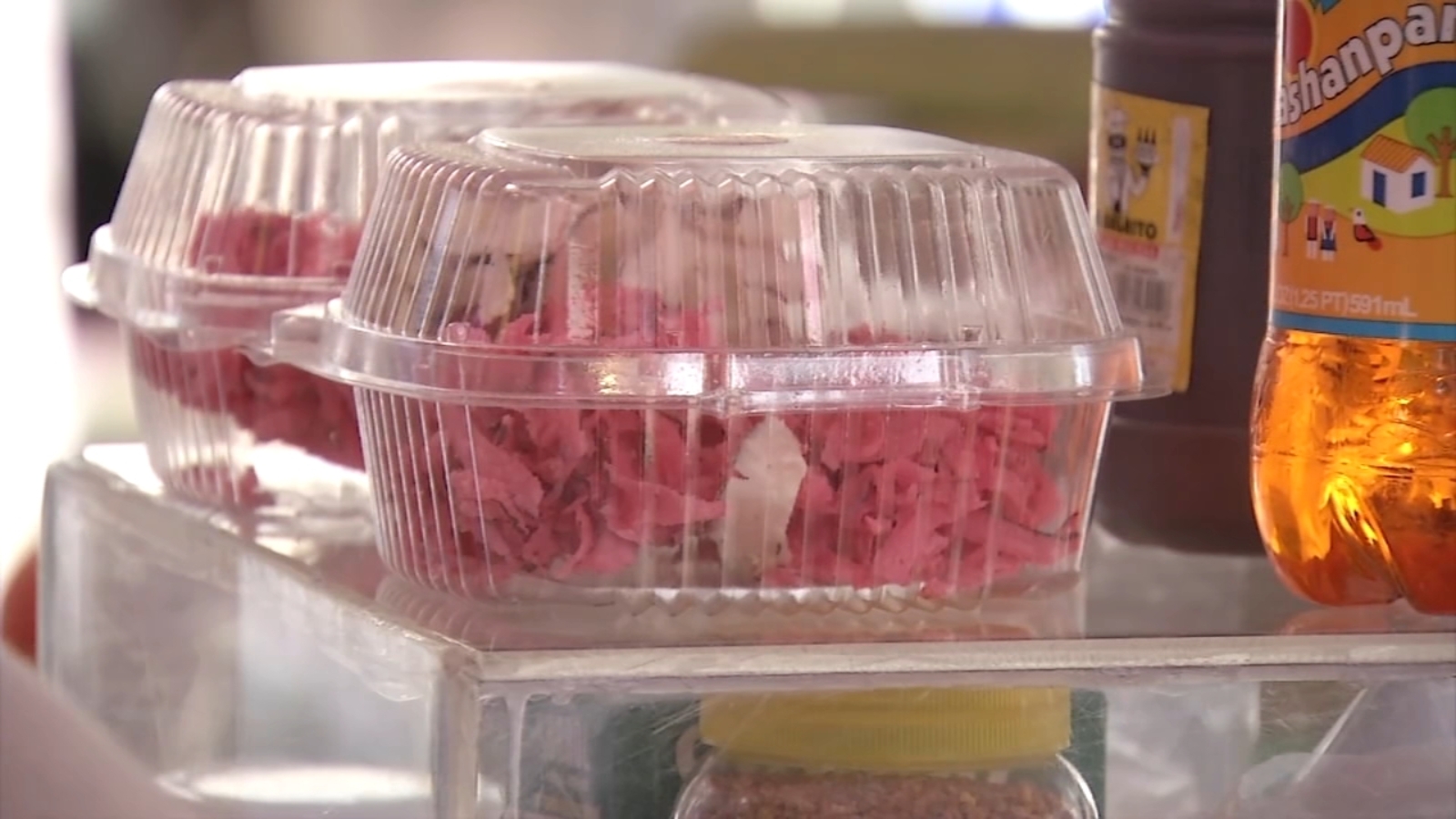
The new law requires street vendors to use carts instead of tables that have a handwashing station and fridge – something that can cost $8,000 to $10,000 – money that many vendors tell us they don’t have. Some have portable handwashing stations.
Food vendors won’t be allowed to cook at home anymore. Leila Ovando, a professional chef and director of food access and equity at the nonprofit Nuestra Causa, is helping this community but knows the costs will force many off the streets.
“Thirty dollars to $100 an hour just for those kitchens. So that already is eating up profit for folks that make about $2,000 total for net in a month. So that eats substantial cost for them,” said Ovando.
Our data team found that out 88 inspections of mobile food vendors in 2025, there were 60 health violations per 311 data.
MORE: Raw meat, vegetables, even baby sharks: Illegal vending plaguing SF Chinatown
Those violations include not providing hand washing stations and improper food storage. The city is hoping to improve this.
In this document, San Francisco Department of Public Health said it’s making the changes to “…bring San Francisco’s local codes into alignment with state-level changes.”
Nuestra Causa, which represents 75 food vendors in the Mission District, is hoping city supervisors find a way to help vendors purchase the required carts and provide locations for them to work.
“We are not against the ordinance. The mission food vendors have worked with the city making the sure the compliance for health and safety and making sure we have spaces for them,” said Ovando.
The second reading of this ordinance is set for April 7.
Copyright © 2026 KGO-TV. All Rights Reserved.