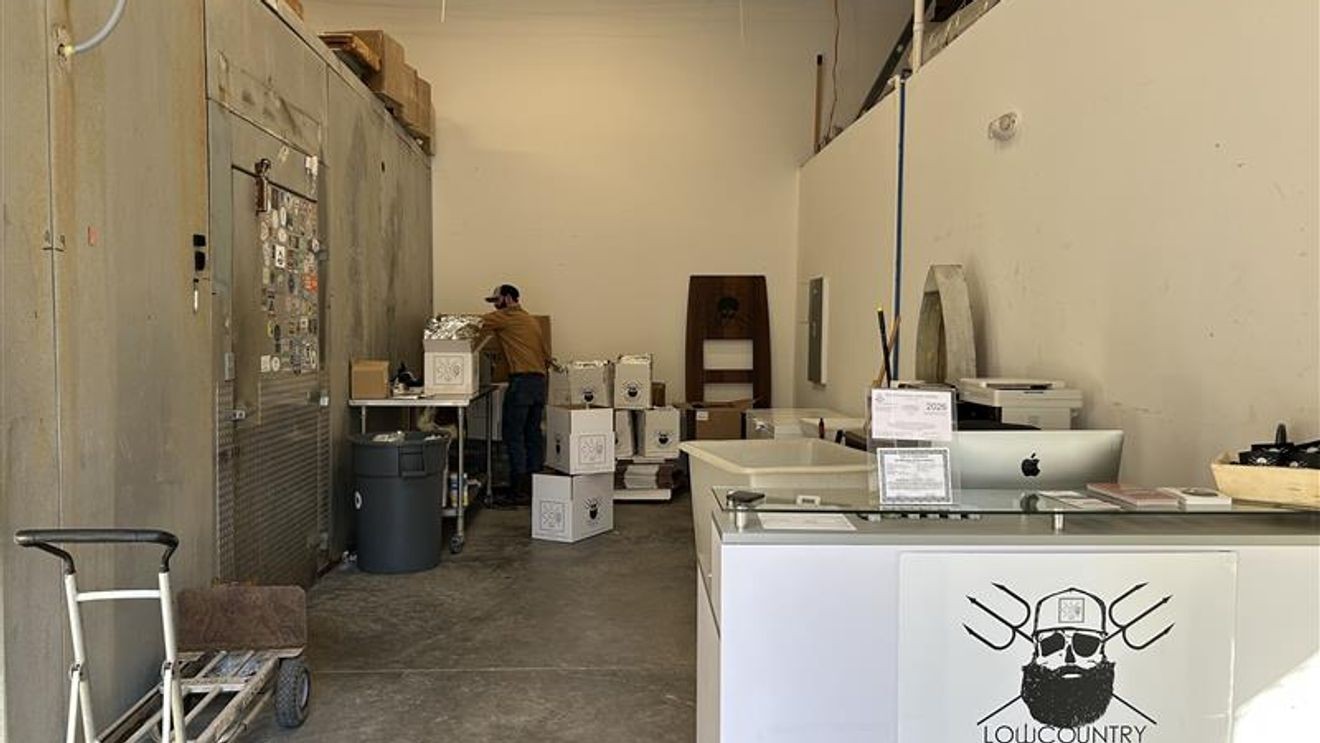
CHARLESTON, S.C. (WCIV) — A Salmonella outbreak possibly linked to raw oysters has prompted an investigation by the Centers for Disease Control and Prevention, raising concerns in the Lowcountry, where oysters are a staple of the local seafood industry.
The investigation has been ongoing since June and involves 64 reported cases nationwide, including three in South Carolina. The most recent case was reported Nov. 28, according to the National Aquaculture Association. Officials have not confirmed a definitive link between raw oysters and the Salmonella strain.
“The Salmonella that’s under investigation in association with raw oysters is called Salmonella Telelkebir, which is not one we’ve seen in any of the samples we’ve sent to Columbia so far this year,” said Dr. Scott Curry, an infectious disease specialist and epidemiologist at the Medical University of South Carolina.
Curry said common symptoms include abdominal cramps, diarrhea and fever. He advised seeking emergency care if blood in the stool is accompanied by a fever, as antibiotics may be required.
“There are many outbreaks of Salmonella from many different food products every year,” Curry said. “You’d be amazed at what Salmonella can live in.”
Local oyster producers say safety measures remain strict. Trey McMillan, president and owner of Lowcountry Oyster Company, said it is rare for consumers to become sick from oysters harvested and processed through regulated farms.
“There’s so much that goes into it that it’s very, very rare for somebody to get sick eating an oyster directly from an oyster farm and processing facility,” McMillan said. “You probably have a better chance of getting sick eating lettuce.”
Oyster harvesting areas are routinely monitored by the Food and Drug Administration, the Department of Agriculture and the Department of Environmental Services. McMillan said harvesting is halted if water quality does not meet standards or if heavy rainfall occurs.
“If it rains more than four inches in a 24-hour period, they shut us down until water tests come back clean,” he said.
McMillan said the investigation has already had a financial impact on his business, with some customers requesting refunds. He said the period between Thanksgiving and New Year’s accounts for about 90% of the company’s retail sales.
“It’s unfortunate,” McMillan said. “A lot of people have taken a hit over this, not just ourselves.”
The CDC said the investigation remains ongoing.