As federal agents swept into the Twin Cities last week following the shooting of Renee Nicole Good on Jan. 7, businesses began to feel the pinch. The scope of the operation is still coming into frame, but the impact was received like an all-out assault on the local economy.
Over the weekend, local business owners and management described ICE efforts to target their workers, regardless of legal status or criminal history. This is what they said they witnessed and how they responded:
- At a local Latino-run market, federal agents were waiting outside at 6 a.m., when the women that work in the bakery typically show up for shifts.
- At a Minneapolis taqueria, management made the proactive decision to order ride-share to and from work for employees.
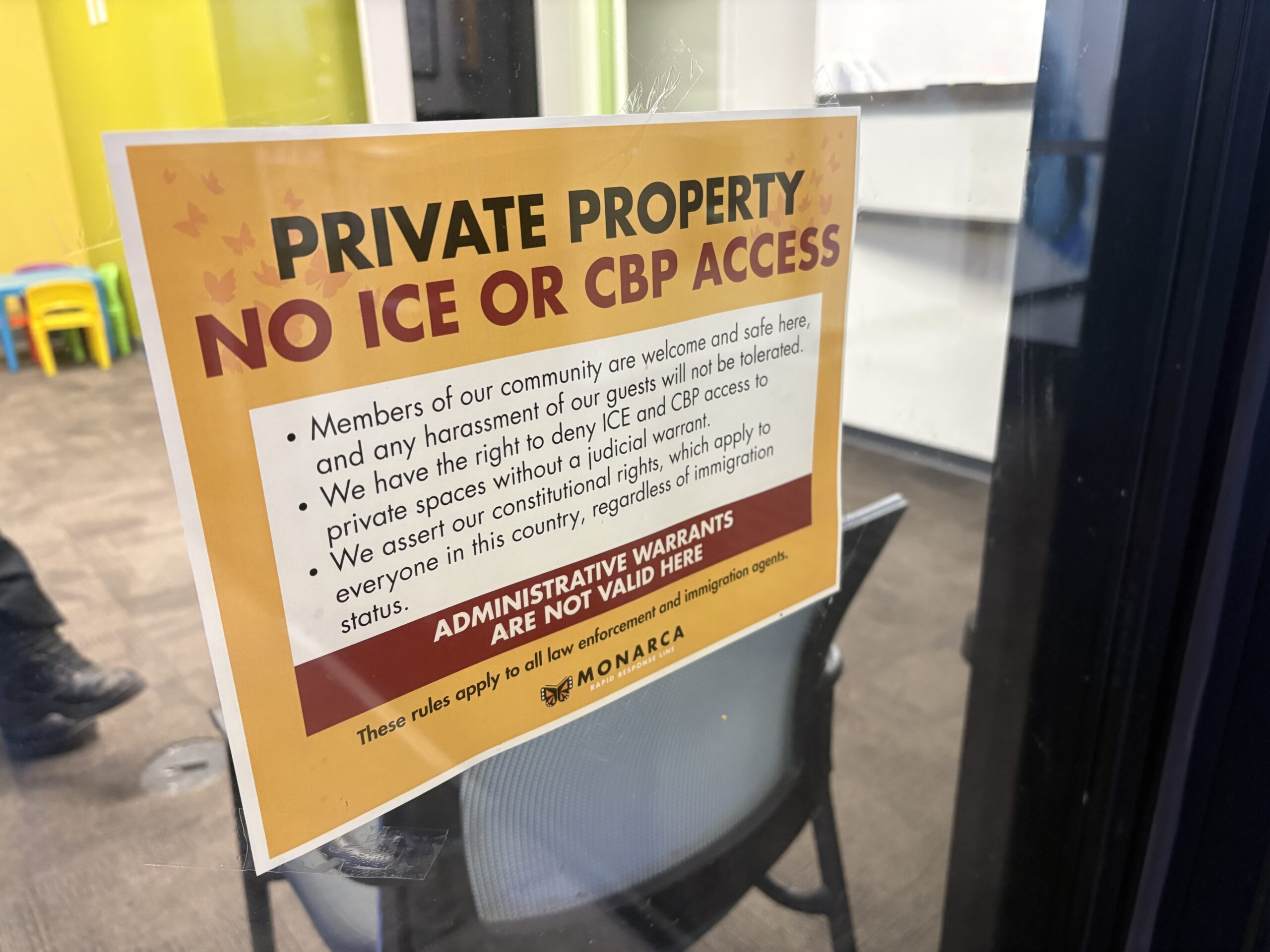
- At local businesses all over town, entries are locked, with employees inside granting permission to enter on a case-by-case basis.
- At a Cuban restaurant, a full multi-day shutdown following reported ICE activity wiped out an entire weekend of business.
- At freeway intersections in the southeast suburbs, checkpoints stopped trucks hauling trailers to inquire about immigration status.
Also, in Shakopee, a DR Horton homebuilding operation was targeted, said state Rep. Brad Tabke, with workers installing roofs of new homes coming under the gaze of the ICE.
In a state that has faced workforce challenges and a sluggish homebuilding market, the impact of these operations is likely to be felt long after they are over.
Entertainment industry doesn’t follow Mulaney
Businesses were targeted unevenly. For most of the entertainment industry in downtown Minneapolis, things largely went on as planned.
An exception was John Mulaney, who postponed three days of shows at the Armory, issuing a statement saying he did not want to jeopardize attendees’ safety. The Armory did not respond to a request for comment.
At First Avenue’s music venues, including the namesake venue, 7th Street Entry, the Fine Line, and Palace Theater, performers went forward with scheduled events. “It was better for us to recognize the moment and open the space. We are in the business of bringing people together,” explained First Avenue general manager Nate Kranz.
Local band Yam Haus played First Avenue’s mainroom on Saturday. In a statement, lead singer Lars Pruit announced that the band had decided it was important to have a place to get out of the house and gather together. “I considered cancelling the show,” the band said in a statement. “But then I thought about light. And when darkness closes in, what does it do? I want the joy found in music right now. I want to safely gather with friends and family and people who feel the same.” Video from the event on Saturday showed what looks like a packed house.
Hennepin Arts, which operates the Hennepin Theater District, including the Orpheum, State Theater, Pantages Theater, and Dudley Riggs Theater, hasn’t had and isn’t planning any cancellations or postponements, says vice president of programming Rick Hansen. “I think it goes to show that people know our theaters are safe places for patrons and performers alike to come enjoy a variety of different entertainment on our stages,” he says.
The communal spirit and desire to bring people together extended well beyond the entertainment world, with local restaurants in particular rallying to help their neighbors. Wrecktangle Pizza, at Lyndale and Lake in Minneapolis, launched a fundraiser that had raised more than $83,000 by Sunday evening. Volstead’s Emporium, the neighboring speakeasy, released a statement: “We remain open because joy and art are not luxuries—they’re what keep us hopeful and alive. In times that tempt us to withdraw, we choose the spirit of gathering.”
Immigration operation will hurt the business community
The net result of the shock-and-awe enforcement strategy will likely be an economic pothole for Minnesota’s business community that may be difficult to fully measure.
Between weather and adjacency to overindulgences of the holiday season, January is a notoriously slow month for small business in the Twin Cities. The ICE operation is likely to compound the effect for the many businesses struggling to weather it. What is measurable are lost wages and operational difficulties related to workers fearful of coming to work.
For many of these business owners, it’s a kick in the teeth right at a moment when many felt things turning a corner. The combined shocks of Covid-19 and the aftermath of George Floyd’s murder in 2020 dealt a harsh blow to areas like Lake Street in particular, which have many immigrant-owned businesses. After Minneapolis saw another year-over-year drop in all major crime categories in 2025, including the fewest shootings and carjackings since before the pandemic, many small business owners had been banking on 2026 as a year of recovery, growth, and rebirth.
Then, federal agents showed up to blanket the Twin Cities.