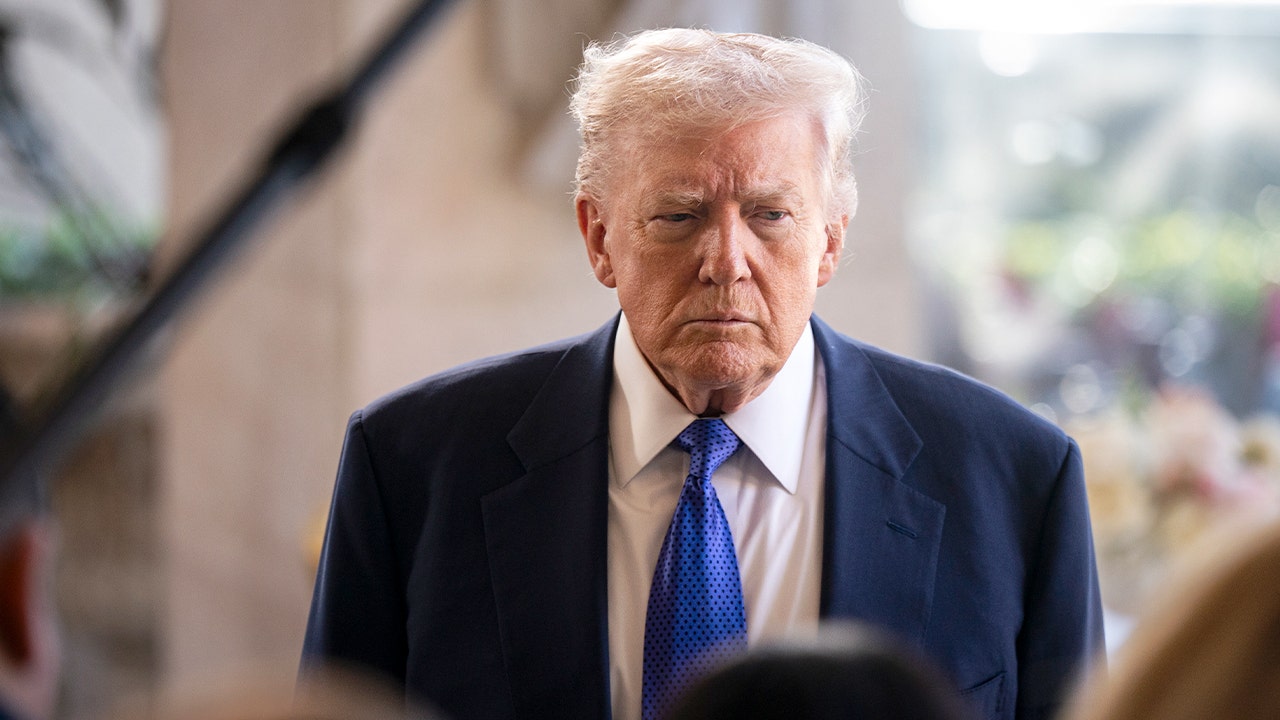
Former Deputy Assistant Attorney General John Yoo joins ‘Varney & Co.’ to discuss why the Supreme Court may be delaying its decision on President Donald Trump’s tariffs and the legal uncertainty surrounding the case.
President Donald Trump said Monday that the United States and India have agreed to a trade deal that would lower tariffs, following a phone call with Indian Prime Minister Narendra Modi.
In a post on his Truth Social platform, Trump said the agreement would reduce U.S. tariffs on Indian goods from 25% to 18% and that India would move to eliminate its tariffs and non-tariff barriers on American products.
“The Prime Minister also committed to ‘BUY AMERICAN,’ at a much higher level, in addition to over $500 BILLION DOLLARS of U.S. Energy, Technology, Agricultural, Coal, and many other products. Our amazing relationship with India will be even stronger going forward,” the president wrote. “Prime Minister Modi and I are two people that GET THINGS DONE, something that cannot be said for most.”
Trump said the two leaders also discussed broader geopolitical issues, including the war between Russia and Ukraine.
TRUMP ANNOUNCES ‘FINAL’ 25% TARIFF ON COUNTRIES DOING BUSINESS WITH IRAN REGIME
President Donald Trump and Indian Prime Minister Narendra Modi meet in the Oval Office at the White House on Feb. 13, 2025. (Andrew Harnik/Getty Images)
He claimed Modi agreed to stop buying Russian oil and instead increase purchases from the United States and potentially Venezuela.
In a separate post on X, Modi confirmed that tariffs on “Made in India” products would be reduced to 18%.
“Big thanks to President Trump on behalf of the 1.4 billion people of India for this wonderful announcement,” he wrote. “When two large economies and the world’s largest democracies work together, it benefits our people and unlocks immense opportunities for mutually beneficial cooperation.”
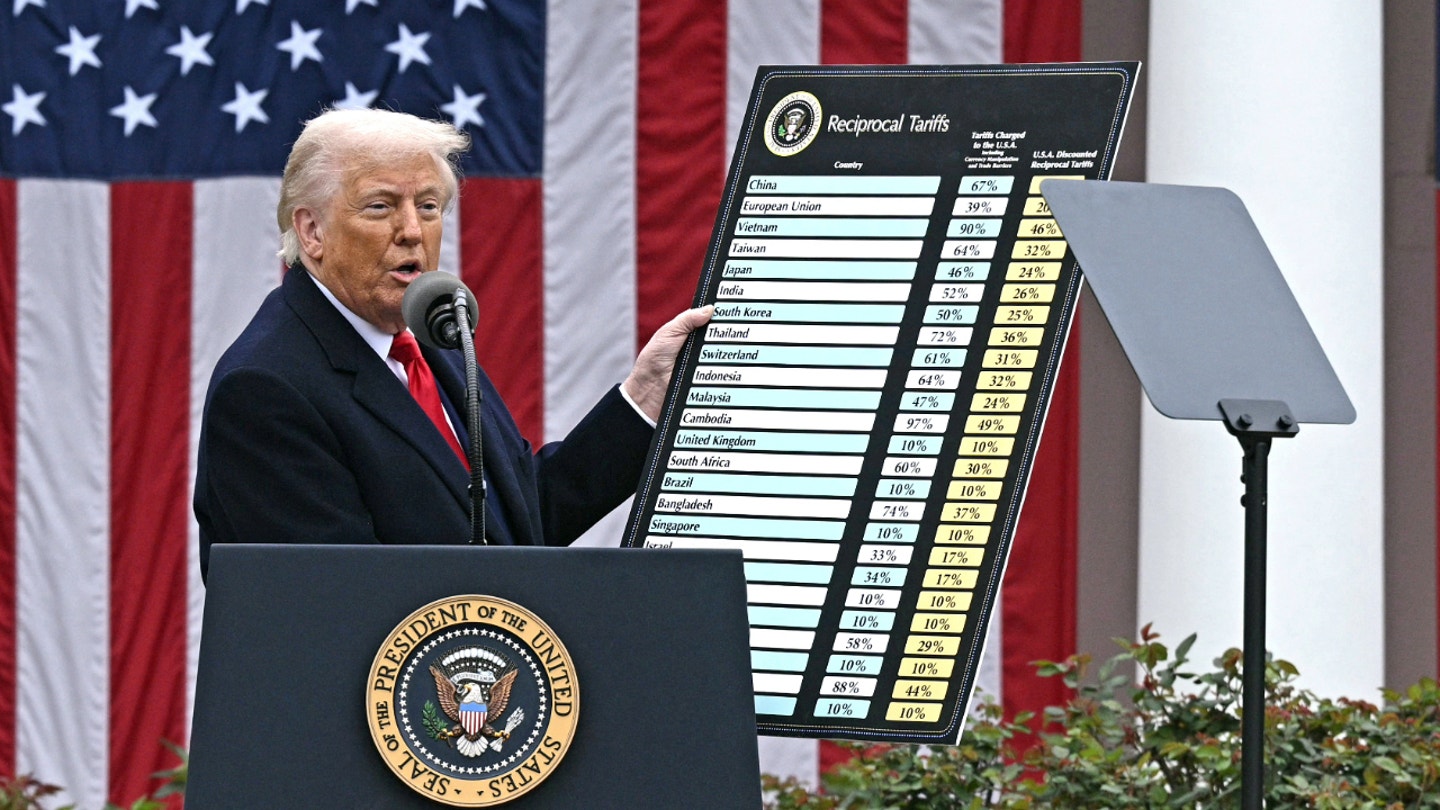
President Donald Trump delivers remarks on tariffs during an event in the Rose Garden in 2025. (Brendan Smialowski/AFP via Getty Images)
The Trump administration had initially imposed a 25% tariff on India in August over its continued purchase of Russian oil.
“India’s subsequent reselling of this oil on the open market, often at significant profit, further enables the Russian Federation’s economy to fund its aggression,” the White House said at the time.
US AND UKRAINE TARGET 1,000-VESSEL ‘DARK FLEET’ SMUGGLING SANCTIONED OIL WORLDWIDE
Payne Capital Management President Ryan Payne and Bullseye American Ingenuity Fund portfolio manager Adam Johnson discuss the tech stock outlook for 2026 and Venezuela’s proposed oil export deal with the U.S. on ‘Mornings with Maria.’
CLICK HERE TO DOWNLOAD THE FOX NEWS APP
The U.S.–India trade announcement comes after the European Commission said last week that the European Union and India had concluded negotiations on a free trade agreement (FTA), a deal officials described as creating one of the world’s largest trading zones.
“Our FTA ushers in a new era. It unites two of the world’s largest economies,” the commission said. “That is a market of 2 billion people – a quarter of global GDP. It brings lower tariffs and export duties, and simplified customs procedures. European companies already employ more than 3 million people in India. And Indian firms are investing more and more in Europe.”