Gov. Tina Kotek on Tuesday unveiled a plan to boost Oregon’s economy and make the state more business friendly as it faces sluggish population growth, high housing costs and other faltering economic indicators.
The blueprint, which the governor is calling “Oregon’s Prosperity Roadmap,” promises to encourage investment from businesses amid mass job cuts in recent months comparable to rates during the Great Recession. Layoffs have taken place across a variety of industries and at some of the state’s flagship businesses, including Nike, Intel and large hospital systems.
The roadmap lays out three high-level goals: boost the state’s gross domestic product by 2.2%; improve Oregon’s placement by at least 13 spots in a prominent national ranking of state workforce indicators; and lift the state’s ranking into the top 10 for overall business indicators.
Kotek’s strategies to meet those goals include: establishing a program to streamline permitting management on major infrastructure projects; partnering with post-secondary educational institutions and businesses to increase workforce training and certification programs; and providing more loans for site development in industrial zones.
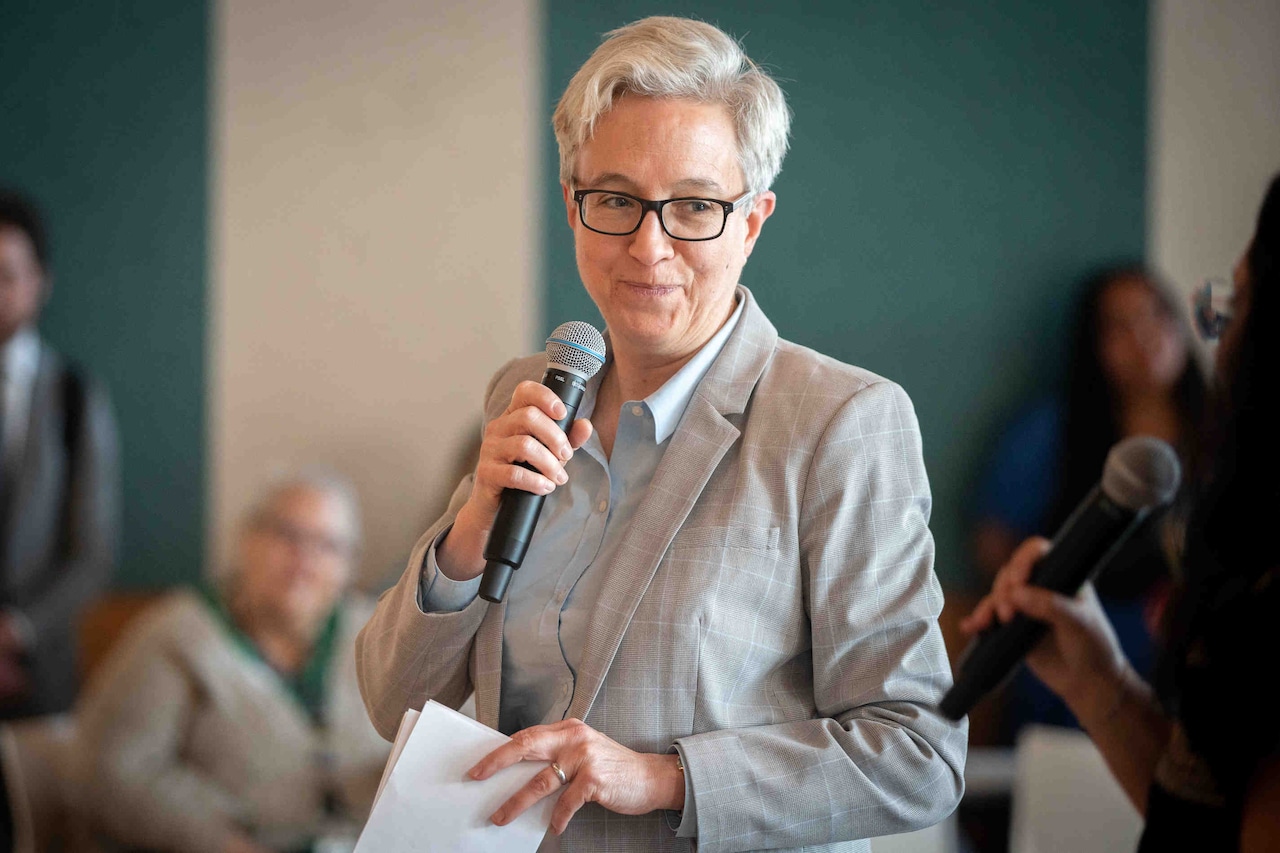
“By uniting around a statewide vision and coordinating our talents and assets, we can ensure Oregon doesn’t just keep up but leads in sustained economic growth,” Kotek said in a press release.
Kotek’s plan doesn’t directly address what many in the business community see as Oregon’s main issue — high business and personal income taxes, especially in the Portland area. Instead, the governor’s plan floats the idea of “targeted tax changes,” which would come only after consultation with industry and labor leaders.
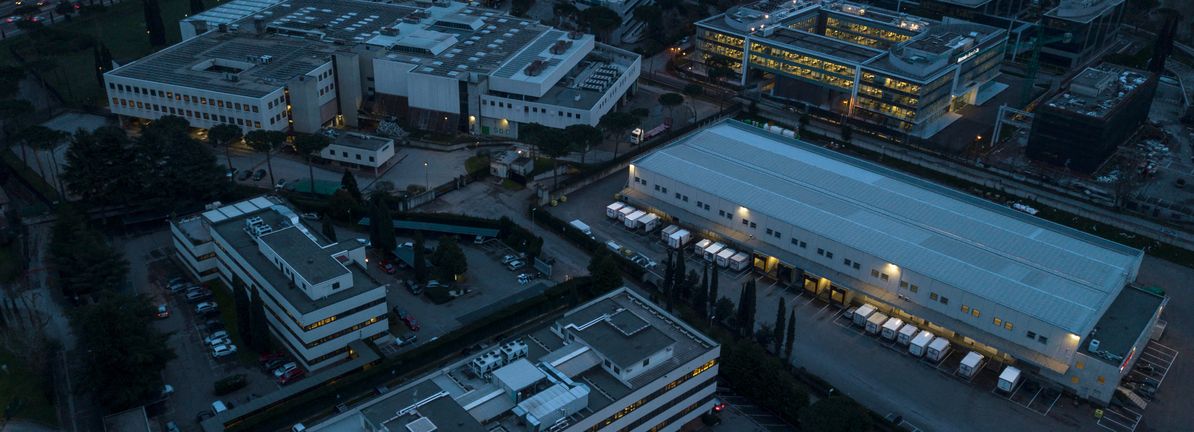
Kotek announced her plan in Tualatin at a local facility of Lam Research, a semiconductor equipment manufacturer that recently opened an office at the site with space for 700 employees. The company’s local growth contrasts with most of Oregon’s other major semiconductor companies, which have collectively cut thousands of jobs this year.
Last month, state economists said their outlook on the state economy has somewhat rebounded from earlier forecasts this year. State Economist Carl Riccadonna said the economic toll of tariffs has not been as harsh as experts initially expected, while the tax cuts from President Donald Trump’s tax and spending bill have provided some economic stimulation.
At the same time, economists said some of Oregon’s economic indicators are trailing national trends. For example, the state’s GDP growth rate of 1.6% over the past four years has lagged the national average of 2.7% in that period, they reported.
Other initiatives in Kotek’s plan include creating a state council with labor and industry leaders to brainstorm further economic initiatives, directing state agencies to prioritize economic development in their proposals and exploring “targeted tax changes to spur living wage job creation.”
The council will be co-chaired by Curtis Robinhold, executive director of the Port of Portland, and Renée James, a former Intel president who founded the semiconductor company Ampere Computing in 2017.
“To fully realize Oregon’s potential, we must focus on regional job creation, innovation, and livability,” James said in a press release. “We need to ensure that Oregon is a state where people want to live, start businesses and invest.”
Kotek’s plan comes nearly three years into her term, as she is widely expected to be positioning herself for a 2026 reelection bid. Lawmakers of both parties have increasingly shown support for more business-friendly policies as layoffs have hit their constituents and some companies have left the state altogether.
Growing jobs would have the additional benefit of boosting Oregon’s tax revenue, which would help lawmakers address projected shortfalls in future budget periods. The state is expected to lose more than $15 billion in federal funding over the next six years due to various provisions in Trump’s tax and spending bill, mostly from cuts to Medicaid and food assistance programs.
— Business reporter Mike Rogoway contributed reporting.