
OpenAI spread itself too thin, and CEO Sam Altman knows it.
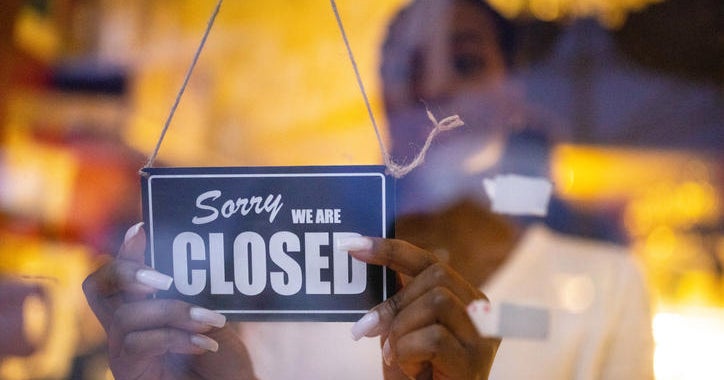
His “Code Red” to employees this week marks a reset: Focus on improving ChatGPT, and pause lower-priority initiatives. The most striking pause is advertising. Why delay such a lucrative opportunity at a moment when OpenAI’s finances face intense scrutiny?
Because in tech, nothing matters more than users.
Google built its Search empire on this principle. Every query and click fed a feedback loop: user behavior informed ranking systems, which improved results, which attracted more users. Over time, that loop became an impenetrable moat. Competing with it has proven nearly impossible.
ChatGPT occupies a similar position for AI assistants. Nearly a billion people now interact with it weekly, giving OpenAI an unmatched new window into human intent, curiosity, and decision-making. Each prompt and reply can be fed back into model training, evaluations, and reinforcement learning to strengthen what is arguably the world’s most powerful AI feedback loop.
Altman’s Code Red aims to protect that advantage. If ChatGPT becomes more useful, people will use it more, which strengthens the loop, which improves the product again — a compounding cycle that could make ChatGPT as unassailable in AI answers as Google is in search.
But that dominance is no longer assured. Google’s Gemini 3 rollout has lured new users. If ChatGPT’s quality slips or feels cluttered, defecting to Google becomes easier. Introducing ads now risks exactly that. Even mildly irritated users could view ads as one annoyance too many.
For now, OpenAI is betting on new model releases to reaccelerate ChatGPT’s growth. Ads can wait, but not forever. Generative AI is expensive to run, more so than Search or social networks. OpenAI has already committed to spending hundreds of billions of dollars on infrastructure to serve ChatGPT at a global scale. At some point, those bills will force the company to monetize more aggressively.
If OpenAI manages to build even half of Google’s Search ads business in an AI-native form, it could generate roughly $50 billion in annual profit. That’s one way to fund its colossal ambitions.
But that future depends on the strength of today’s feedback loop. For now, the priority is clear: make ChatGPT undeniably better, pull more users in, and keep the flywheel spinning. Ads can come later. User growth can’t wait.
Sign up for BI’s Tech Memo newsletter here. Reach out to me via email at abarr@businessinsider.com.