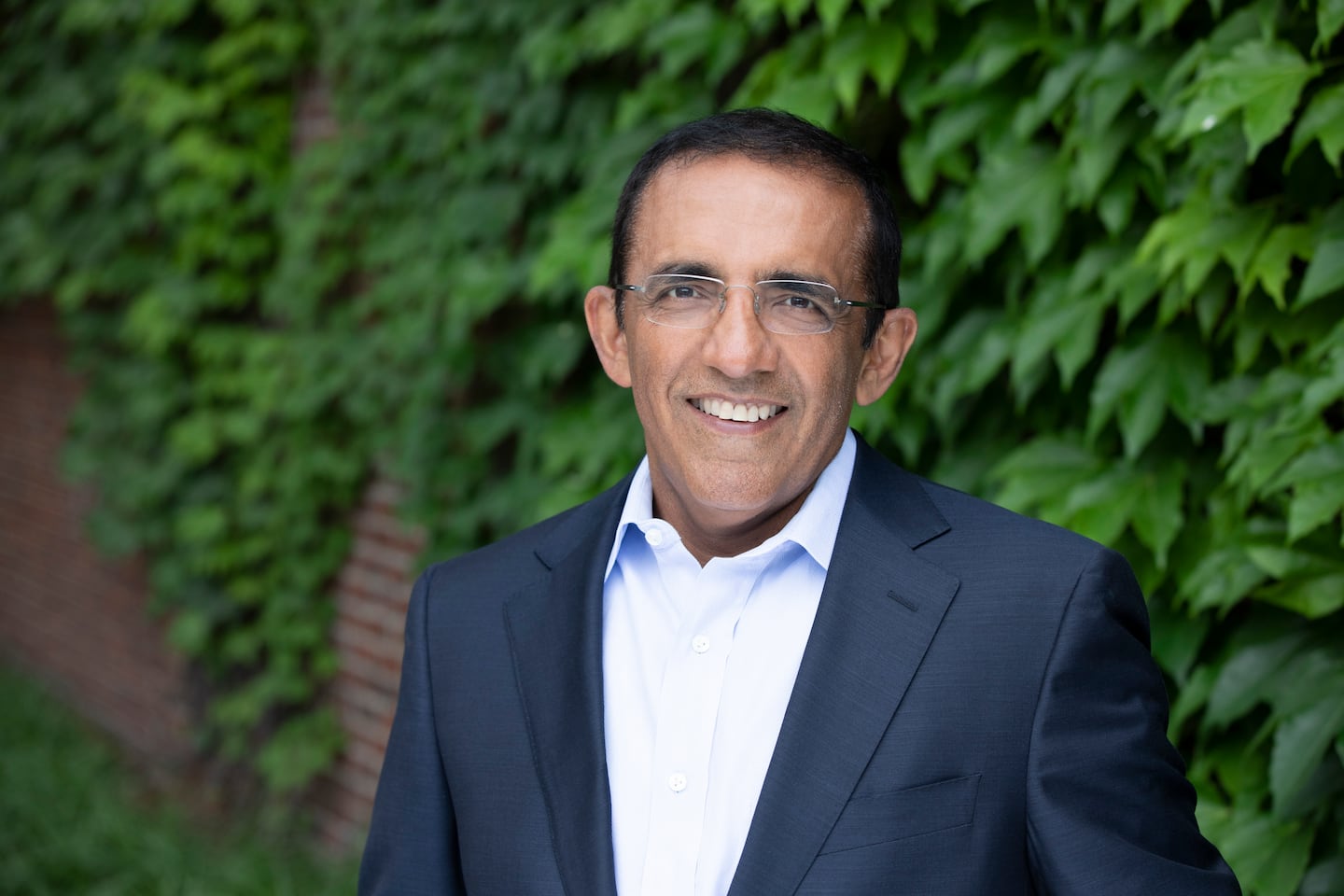
Gulati began to wonder why some organizations and leaders in the face of uncertainty acted boldly, while others retreated. He interviewed CEOs, coaches, Facebook whistleblower Frances Haugen (a former HBS student of his), hero Brandon Tsay who disarmed a mass shooter, among others. The Dalai Lama provides the foreword.
Gulati’s most compelling anecdote might come from his own childhood as a terrified 14-year-old when he watched his mother stand up to someone threatening her with a gun. He asked her afterwards if she was scared, and she imparted this enduring lesson: “I was scared, but just because you’re scared doesn’t mean you do nothing.”
Gulati’s previous book, “Deep Purpose: The Heart and Soul of High-Performance Companies,” was released in 2022 amid the pandemic’s Great Resignation as employees quit in droves, while others searched for meaning at work. His current book arrives as both companies and individuals alike wonder what it takes to be courageous amid political, social, and technological upheaval. And it seems top of mind for leaders: His Harvard Business Review article about the book was the most-read of 2025.
Gulati and I had a chance to catch up on the Globe’s “Say More” podcast. Listen at globe.com/saymore and wherever you get your podcasts. My biggest takeaway? Courage can be learned, and his book shows us how. Here are four key lessons:
Uncertain times require bold leadership. For some of us, our default may be to keep our heads down and play it safe. But Gulati said that’s not how progress happens, whether it’s the Wright Brothers risking their lives to discover flight to Rosa Parks refusing to give up her seat on a bus to defend her civil rights.
Dame Louise Richardson, president of the Carnegie Corporation of New York, who spoke at Boston College’s commencement this past May, put it this way to graduates: “Superheroes are not born in quiet times.”
Gulati wants people and companies to take that message to heart. “Maybe this is the time to really imagine the possibility for ourselves,” he said. “When we play it safe, we can live safe but incomplete lives.”
Circumstances can make the hero. Brandon Tsay became a hero when he confronted a gun man at a crowded Los Angeles-area dance studio during a Lunar New Year celebration in 2023. The gunman had already shot and killed 11 people and was about to take off for a second shooting spree when Tsay disarmed him.
A few weeks after the shooting, Gulati interviewed Tsay, who described himself as a pacifist. He actually had thought about how he would react in a mass shooting; he would run and duck for cover.
So what changed? Tsay said it was his grandparents’ dance studio and he knew everyone there. In that moment, he decided he had to do something.
For Gulati, Tsay’s story was a lesson in how we are all capable of adapting to circumstances. “You change your response to uncertainty,” he said.
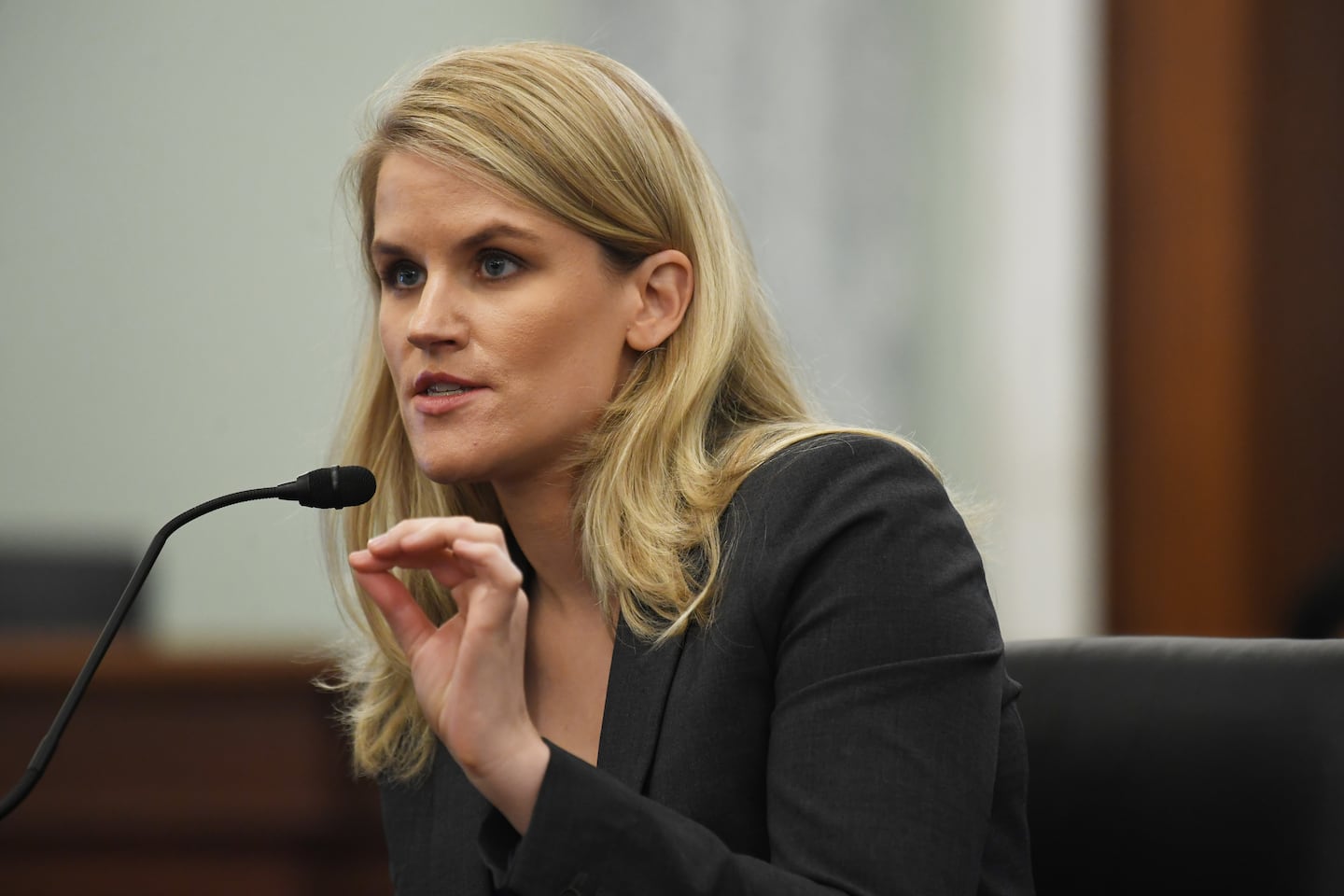
Courage takes a village. Frances Haugen was a product manager at Facebook when in 2021 she leaked internal documents that she believed showed how the social media company was harming children, stoking division, and weakening democracy.
Haugen, whom Gulati taught at Harvard Business School, became a whistleblower and testified before a US Senate committee about Facebook.
It took her months to decide whether to expose the company, and what ultimately gave her courage was the support she received from her mother, a law firm, journalists, and a priest.
“Courage is never a solo sport. It really requires a team effort,” said Gulati. “If you’re an individual trying to be courageous, ‘How do you find the support you need?’ ”
Playing it safe can come at a cost. Many of us think only about the risks that come with bold moves. Gulati argues that can be risky and warns about falling into what he calls the “success trap.” Perhaps no company embodies this more than the Blockbuster video rental chain as Netflix launched in 1997 first as a mail-order DVD company and later evolved into a streaming service.
When Gulati did a case study on Netflix, he asked the CEO how it killed Blockbuster, which had thousands of brick-and-mortar stores at one time. The response? “We didn’t kill Blockbuster. Blockbuster destroyed Blockbuster.”
Gulati said while Blockbuster stood still, Netflix’s culture encouraged new ideas and embraced failure and feedback known as “farming for dissent.” It’s a valuable lesson today as artificial intelligence is expected to transform the world.
“We know that in market inflection points there are winners and there are losers. There are going to be the Netflixes of the world and they’re going to be the Blockbusters of the world,” said Gulati. “Leaders need to decide: Are they going to be sitting on the sidelines frozen like I was on that day when I was 14 years old, or are they going to actually lean in and do something about it?”
Shirley Leung is a Business columnist. She can be reached at shirley.leung@globe.com.