LYNCHBURG, Va. (WSET) — Republican lawmakers from the Lynchburg area said they are concerned about what they called anti-business policies coming out of the most recent General Assembly session, as they highlighted legislation they believe could affect local employers and residents.
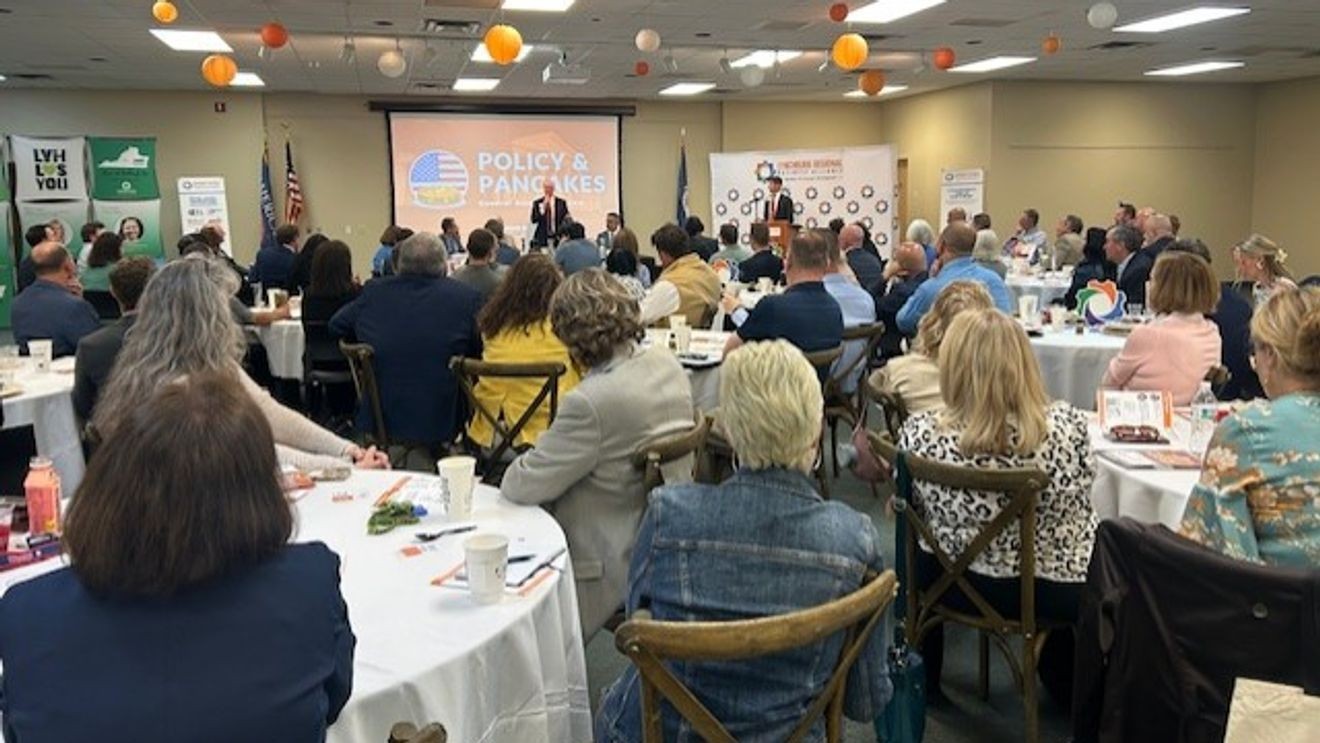
The lawmakers spoke during the Lynchburg Regional Business Alliance’s Policy and Pancakes event, where they emphasized that decisions affecting localities should be made locally.
Del. Eric Zehr, R-District 51, said, “Business needs to know they can count on us, we’re not gonna renege, we’re not gonna go back on our word.”
One of the main issues discussed was data center tax exemptions. The lawmakers said they believe localities should have the final say on data centers. Del. Wendell Walker, R-District 52, said, “Every time you use your cell phone or your computer, you have to have a data center to process all of that.” Sen. Mark Peake, R-District 8, said data centers “bring a lot of tax revenue to localities.”
SEE ALSO: Lynchburg Republican City Committee votes to investigate Councilwoman Stephanie Reed
At the same time, Peake acknowledged concerns about the impact of data centers on utilities. When asked about worries over water and electricity usage, Peake said, “That is a valid concern. I understand that the water usage has been cut back dramatically with advances. But the energy cost, and we have to make sure that they have a valid and available energy source, and that it doesn’t drive up the energy cost for local residents.” Walker said he believes the issues with water and electricity are getting better with improved technology.
No final decision has been made on data center tax breaks, and lawmakers are still fighting over the state budget.
Lawmakers also discussed collective bargaining, which they said would unionize public employees across the commonwealth, allowing government workers to join a union and negotiate over wages, hours and working conditions. Walker said, “It may sound good, but ultimately in the end, the cost is going to be to the taxpayers.”
Peake said some employees may support collective bargaining, but he raised concerns about union dues and potential work stoppages. “For them, they might be in favor of this. Well, employees may be in favor of it. The problem is they might get some increased wages. But what do they do? They have to pay union dues, and then they go on strike and they miss work for two or three months,” Peake said.
Zehr criticized the idea of union leadership having influence over public-sector decisions. “It’s a union boss making decisions. Taxpayers and voters cannot hold those union bosses accountable for their decisions,” he said.
Democratic Sen. Creigh Deeds declined an interview request.
Lawmakers are scheduled to return to Richmond for a special budget session on April 23.