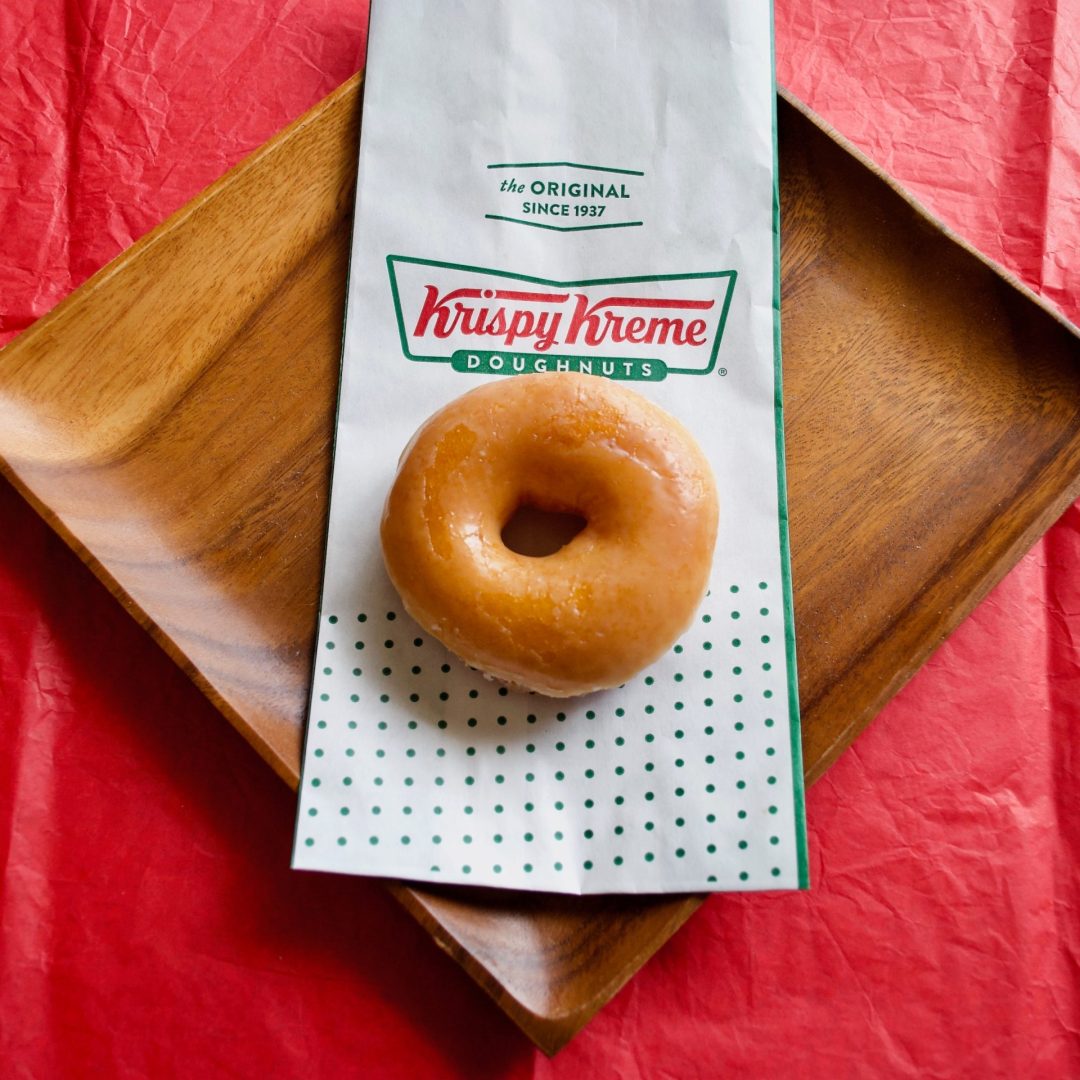
Krispy Kreme’s stock (NASDAQ: DNUT) jumped 14% on October 21, closing at $3.71 and giving investors a brief taste of optimism after a long year of struggles. The sudden rise came as the company announced an aggressive global expansion plan, reigniting hope that new international markets could offset its faltering U.S. performance.
A steep fall before the rebound
The sweet rally followed months of sharp decline. Krispy Kreme’s shares have fallen more than 65% in 2025, sliding from highs above $12 in late 2024. The downturn deepened after the company ended its U.S. partnership with McDonald’s in July, pulling out of roughly 2,400 restaurant locations. The move marked a major strategic shift but also wiped out a large portion of its domestic distribution network.
The fallout was immediate. In the second quarter of 2025, Krispy Kreme reported a 13.5% drop in overall revenue to $379.8 million. Its U.S. segment saw a 21% decline in sales compared to the previous year. The company also posted a staggering $441.1 million net loss, most of which came from $406.9 million in impairment charges tied to underperforming assets.
For many investors, the recent price jump offered a brief reprieve. But beneath the excitement, questions remain about whether Krispy Kreme’s global strategy can truly reverse its downward momentum.
Expanding the brand beyond U.S. borders
While the American market has become a major challenge, Krispy Kreme is shifting its focus to new territories. The company recently opened its first store in Madrid, Spain, with two additional locations expected before the end of the year. It aims to establish more than 50 stores across Spain over the next four years, positioning itself in one of Europe’s fast-growing retail food markets.
Expansion efforts are also underway in Brazil and Uzbekistan, reflecting a broader push into international markets where demand for Western-style baked goods continues to grow. The brand’s international segment has become a rare bright spot, with revenues rising about 6% year-over-year. Countries such as Canada, Japan, and Mexico are leading this growth, supported by a franchise-based business model that reduces upfront costs and accelerates global reach.
The company’s leadership has described this strategy as a capital-efficient way to expand rapidly while keeping overhead low. By relying on local partners, Krispy Kreme can move faster, spend less, and test new markets with minimal risk.
Inside the turnaround strategy
Krispy Kreme’s leadership has outlined a four-part turnaround plan to restore profitability and investor confidence. The plan includes refranchising company-owned international markets, restructuring joint ventures, outsourcing logistics in the U.S. to reduce costs, optimizing asset use to improve returns, and focusing domestic growth on high-margin and high-volume channels such as retail and delivery.
As part of this reset, the company recently made key leadership changes. Raphael Duvivier was appointed Chief Financial Officer after serving as International President, while Alison Holder assumed broader responsibilities in branding and product strategy. These moves are aimed at strengthening financial discipline and revitalizing brand appeal as competition in the quick-service industry intensifies.
The company expects profitability improvements to begin showing in the second half of 2025, driven by international franchising and more efficient U.S. operations. Analysts are watching closely to see if the restructuring plan delivers measurable results.
Analyst reaction: cautious but curious
Despite the latest rally, Wall Street remains cautious. Some analysts acknowledge Krispy Kreme’s progress abroad but warn that U.S. challenges remain severe. The company’s stock has shown volatile, meme-like behavior—quick to rise on optimistic headlines but equally vulnerable to sharp pullbacks.
Investment firms have maintained mixed ratings on the stock. The average analyst price target sits around $6.45, suggesting potential upside from current levels but far below past highs. Several firms continue to list DNUT as a “hold,” reflecting uncertainty about its recovery prospects in the near term.
A long road to recovery
Krispy Kreme now operates in more than 40 countries, giving it a strong global footprint that few food brands can match. New ventures in Spain, Brazil, and Uzbekistan signal confidence in international demand, while the franchise model offers flexibility and faster expansion potential.
Still, the company faces significant hurdles at home. The collapse of the McDonald’s partnership exposed structural weaknesses in its U.S. operations, and the massive impairment losses underscore the depth of the challenges ahead. The turnaround strategy may take several quarters to prove its effectiveness.
For now, the 14% stock surge reflects investor enthusiasm for the company’s international vision rather than concrete recovery. Whether this renewed momentum can turn into lasting growth will depend on how well Krispy Kreme balances global ambition with disciplined execution in its core U.S. market.
Source: MarketBeat, Capital.com, Zacks, JPMorgan
Disclaimer: This article is for informational purposes only and not financial advice. Always research before making investment decisions.