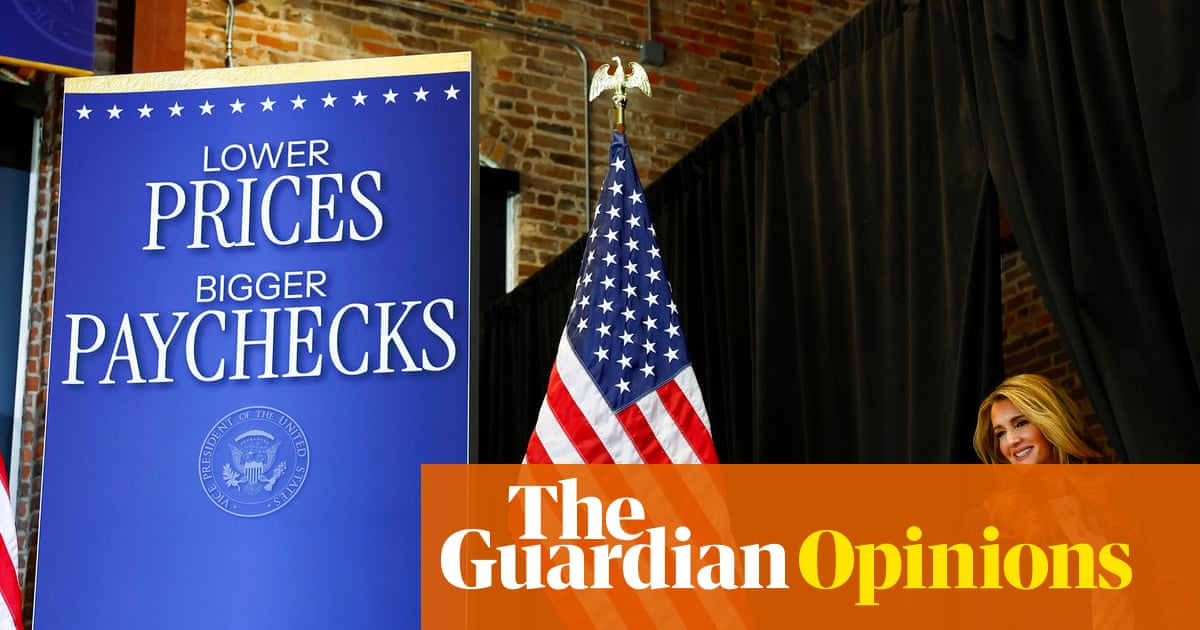
Kelly Loeffler, the new administrator of the Small Business Administration (SBA), announced recently that the agency charged with supporting the businesses that are the backbone of the US economy would no longer be approving loans to small business owners unless they are US citizens. If you’re a legal, tax-paying immigrant with a green card and full residency? No loans for you.
This is a big mistake.
It’s one thing to go after and deport undocumented immigrants who have committed crimes. But it’s difficult to watch undocumented immigrants who have committed no crime other than trying to make a better life for their families in this country suffer a similar consequence.
Breaking the law is one thing. But what about the immigrants who are going through the legal process as they should and have been granted full residency status? Why are they being targeted the SBA? The issue isn’t immigration policy. It’s about whether the SBA should be drawing eligibility lines that exclude legally operating business owners.
This is about politics.
The SBA’s mission is all about serving small businesses. It seems counterproductive to deny certain entrepreneurs the right to participate in our capitalist system just because they’re not yet citizens. It seems harmful to not allow them to receive loans so that they can start and grow a small business that will benefit their communities and the country at large.
To some extent, the move is a reaction against the Biden administration. Under Biden, the SBA often looked more like it was marketing a message than reflecting the reality of who actually owns small businesses in this country.
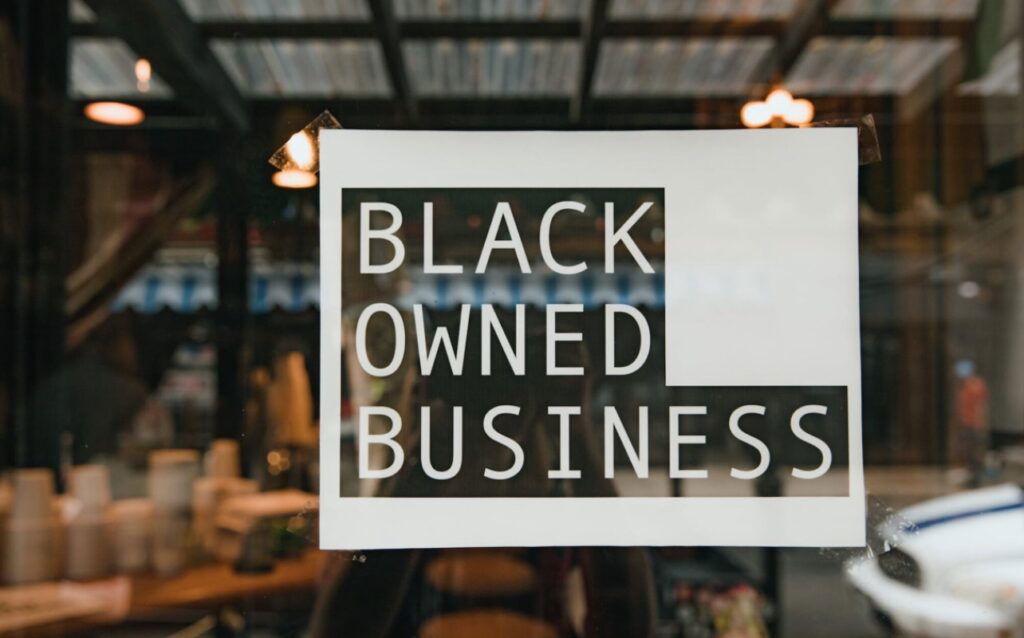
The agency always went to great lengths to ensure that every image featured a diverse group of business owners, mostly minorities. Never mind that Pew Research reports that 85% of US small business owners are white and 76% are men. And more than half are over the age of 50. This is changing as our population changes. But you wouldn’t know that by looking at how the Biden SBA portrayed small businesses
This time, too, the SBA is tailoring its message because it serves the Trump administration’s political agenda. But this change isn’t just about marketing; it will have a real-world impact.
Supporting small businesses should not be a controversial position. And most of the time it is not. If you don’t believe me, just check out the work of both parties in either the House and the Senate small business committees. They are mostly genial. They conduct hearings and approve legislation that is in the best interests of the small businesses they serve. It is true bipartisanship and it’s not hard to understand why. All voters love small businesses.
Which is why politicizing the SBA is wrong. I was once a fan of the SBA. But now it’s just become another propaganda tool to be used by whatever party is in power. And it won’t get any better. In my experience working with hundreds of small businesses, none are asking for political messaging. They need access, capital and support.
Which is why it may be time to take the SBA out of the government. Spin it off into a separate entity – similar to what’s being done in the scientific world at the Manufacturing Extension Partnership, the MITRE Corporation or the Fraunhofer Society. These are organizations that are partly funded by the government and by private industry. They are run by a consortium of bureaucrats, CEOs and business owners. They have mandates to serve certain sectors (ie, manufacturing, cybersecurity, healthcare).
To renew its taxpayer funding, this entity would be required to report to Congress through its existing small business committees. It would be required to publish its goals, objectives and results for accountability. Among those goals: coordinating government loan guarantees, assisting with federal funding, providing training, counseling and support to small businesses – very similar stuff to what the SBA is doing now.
Big corporations that sell to small businesses (banks, tech companies, communication providers, etc) would help with funding. Non-profits that serve small businesses (the US Chamber of Commerce, the National Federation of Independent Businesses) would have influence. And like the current SBA, all small businesses would have access to its resources and not just “members”.
The SBA was started in 1953 under Dwight Eisenhower. Its administrator was elevated to a cabinet position in 2012 by Obama. This was done to emphasize just how important small businesses are to the country’s economy. But now that post has just turned into a political tool that serves the president’s interests.
The SBA should be structurally insulated from political cycles. If we want it to truly serve small businesses, we need to rethink how it’s structured – before it becomes just another agency that reflects politics more than purpose.