Investors are bracing for the weekend attacks on Iran to ripple through markets. Front and center is the oil market, and the looming threat to energy flows.
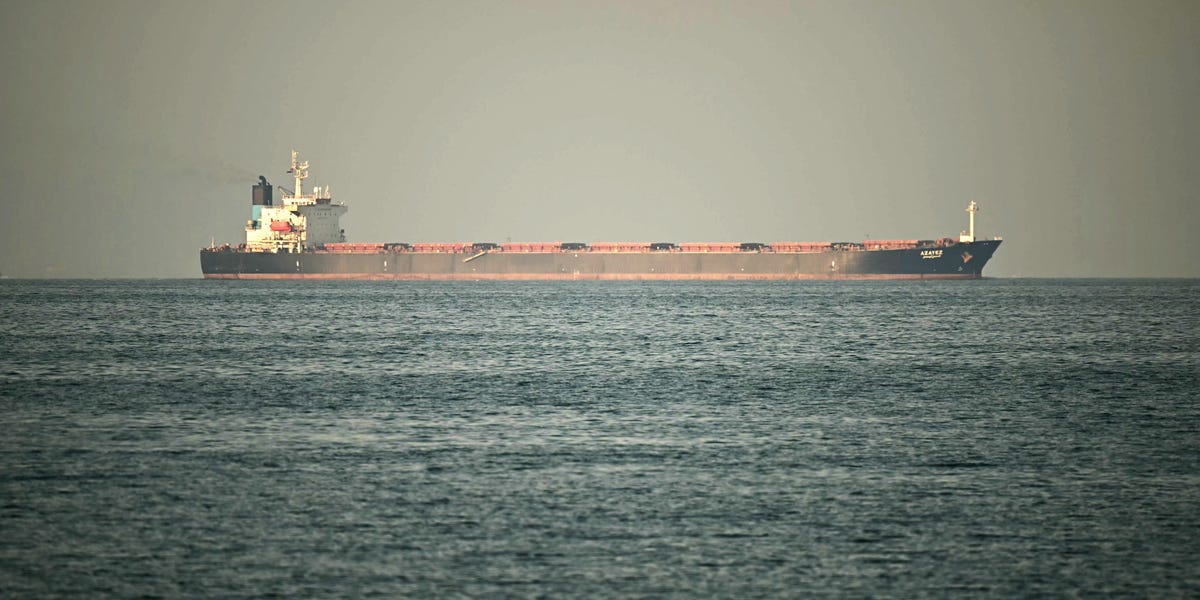
The Strait of Hormuz is among the world’s most important global shipping lanes, with 13 million barrels of crude oil per day flowing through the waterway in 2025, about 20% to 30% of the world’s supply. Reports on Saturday indicated that Iran was moving to close the strait. That represents a worst-case scenario for markets that could send crude prices sharply higher when trading resumes on Sunday evening.
Here’s what to watch as investors react to the strikes on Iran.
‘Worst fears’ for oil
“Oil markets might have to face their worst fears on Monday. As things stand right now, we think Brent could hit $100/b,” Barclays analysts wrote. “The potential effect on oil markets is hard to overstate.”
The bank said investors should expect oil prices to test the $100 per barrel level on Monday, which would represent a 37% spike from Friday’s close of $67.02.
Markets were already on edge over a potential “oil shock” this year after the attack on Venezuela and amid simmering tensions with Iran. Crude prices have crept up steadily in 2026 after tumbling last year. Brent, the international benchmark, is up 20% year-to-date.
A rapid rise in energy prices would also ratchet up inflation expectations, potentially weighing on business activity and consumer spending.
“A positive supply shock to oil prices would materially impact inflation expectations and inflation risks,” Deutsche Bank wrote in a recent note before this weekend’s attack, adding that an oil shock is a key risk to their economic outlook for 2026.
Goldman Sachs analysts wrote that a serious conflict with Iran is a major economic headwind that would see the risk of a recession “climb sharply.” Amid the strikes on Iran last year, Goldman said that its worst-case scenario saw Brent oil prices peak at $110 per barrel if Iran closed the Strait of Hormuz for a long period.
Defense and energy stocks could rally
Prior conflicts that have threatened oil supplies have led to near-term rallies in shares of energy producers, while also boosting defense stocks.
The iShares US Aerospace & Defense ETF is already up 14% in 2026, surging in the immediate aftermath of the Venezuela attack and again this month as the US moved closer to war with Iran. Meanwhile, the iShares S&P Global Energy ETF has marched steadily higher all year, rising 24% as markets have mulled disruptions to global supplies from various conflicts.
Safe havens could get a boost
Geopolitical conflict has been part of gold’s bull case for the last year amid its blistering rally to over $5,000 an ounce, and the confrontation with Iran could be a fresh catalyst for further gains. Meanwhile, a general risk-off shift could send Treasurys higher, pushing down yields.
And while stocks could tumble as investors digest the news, a prolonged negative reaction isn’t guaranteed. Geopolitical events are often flash-in-the-pan type events for equities, and it’s possible markets can rally even as armed conflict continues.
“We wouldn’t be surprised if any rally in the S&P 500 Energy sector on Monday morning fades by the afternoon. We wouldn’t be surprised if any selloff in the S&P 500 on Monday morning turns into a rally,” market veteran Ed Yardeni said on Saturday.
Still, Barclays analysts warned against buying any dip on Monday. Even though markets barely reacted to the bombing of Iran’s nuclear facilities in 2025, the bank’s analysts warned investors not to be overconfident that the conflict will be a contained, short-lived event.
“A war that lasts for more than a few days — and surprises investors when it does — should draw a more pronounced negative reaction. We would recommend not buying any immediate dip — the risk-reward doesn’t seem compelling,” the analyst wrote. “If equities pull back enough (say over 10% in the S&P500), there is likely to come a time to buy. But not yet.”