An Iowa massage therapist is behind a bill that could give law enforcement new tools to shut down businesses that are fronts for human trafficking. Cassie Sampson, the owner of East Village Spa in Des Moines, helped write the legislation after years of seeing what she calls a dangerous loophole in Iowa law.“What we do as health care providers is not what these illicit businesses that are so prevalent in our state are doing,” Sampson said. “These illicit businesses are trafficking people.”Under current Iowa law, massage therapists must be licensed — but the businesses that employ them are not. That means when illegal services are uncovered, enforcement often falls on individual therapists rather than the owners running the operation.Sampson says that loophole protects traffickers.“If there’s a complaint against the business, the State Board of Massage Therapy can’t take action against the owner,” she said. “This bill would change that — and that means shutting it down.”What the bill would doIf signed into law, the legislation would require massage therapy establishments to obtain a state license, similar to the way salons are licensed in Iowa. Beginning July 1, 2027, businesses would need approval from the Iowa Board of Massage Therapy, undergo inspections, and meet sanitation and record-keeping requirements beginning July 1, 2027. Importantly, the bill does not apply to solo practitioners — massage therapists who work independently would not need an establishment license.The new licensing system would allow the board to deny or revoke licenses if an owner has a disqualifying criminal history, is under investigation, or has previously operated a business linked to illegal activity. Establishments could also be fined or shut down for operating without a license.Shifting the focus away from victimsAdvocates say the change is critical because many therapists caught in illegal operations are actually victims of trafficking.“Trying to go through the victims to get to the traffickers is particularly difficult,” said John Chesser, board president of the Iowa Network Against Human Trafficking. “That’s why it’s really important that law enforcement authorities can go after the establishment as a whole and after the traffickers themselves.”Chesser says illicit massage businesses often traffic people for labor and sex in Iowa and across the country. Many victims are recruited overseas under false promises, then forced to work long hours with little freedom and no safe way out.“These are often multi-location operations,” Chesser said. “When law enforcement catches on in one town, they just move somewhere else. This bill would enable law enforcement to actually shut down the operation and fine the owners.”Local laws exist — but advocates want statewide actionSome Iowa cities have already passed ordinances targeting illicit massage businesses, and Chesser says those efforts have helped. But Sampson argues a statewide law would be more effective than a patchwork of local rules.“This would be more effective than the hodgepodge of city and municipal ordinances that have been pieced together over the years,” she said.For Sampson, the issue is also personal. After more than 20 years in the profession, she says legitimate massage therapists are often unfairly associated with illegal activity — and sometimes put in unsafe situations because of that confusion.“It’s disheartening that criminals are taking the work we care about and using it to coerce women into trafficking,” she said.What’s nextThe bill passed out of a Senate subcommittee last week. A date has not yet been set for debate on the Senate floor. It would also need House approval and a signature from the governor to become law. If passed, supporters say the law could help protect victims, hold traffickers accountable, and restore trust in a profession that many Iowans rely on for legitimate health care.
An Iowa massage therapist is behind a bill that could give law enforcement new tools to shut down businesses that are fronts for human trafficking.
Cassie Sampson, the owner of East Village Spa in Des Moines, helped write the legislation after years of seeing what she calls a dangerous loophole in Iowa law.
“What we do as health care providers is not what these illicit businesses that are so prevalent in our state are doing,” Sampson said. “These illicit businesses are trafficking people.”
Under current Iowa law, massage therapists must be licensed — but the businesses that employ them are not. That means when illegal services are uncovered, enforcement often falls on individual therapists rather than the owners running the operation.
Sampson says that loophole protects traffickers.
“If there’s a complaint against the business, the State Board of Massage Therapy can’t take action against the owner,” she said. “This bill would change that — and that means shutting it down.”
What the bill would do
If signed into law, the legislation would require massage therapy establishments to obtain a state license, similar to the way salons are licensed in Iowa. Beginning July 1, 2027, businesses would need approval from the Iowa Board of Massage Therapy, undergo inspections, and meet sanitation and record-keeping requirements beginning July 1, 2027.
Importantly, the bill does not apply to solo practitioners — massage therapists who work independently would not need an establishment license.
The new licensing system would allow the board to deny or revoke licenses if an owner has a disqualifying criminal history, is under investigation, or has previously operated a business linked to illegal activity. Establishments could also be fined or shut down for operating without a license.
Shifting the focus away from victims
Advocates say the change is critical because many therapists caught in illegal operations are actually victims of trafficking.
“Trying to go through the victims to get to the traffickers is particularly difficult,” said John Chesser, board president of the Iowa Network Against Human Trafficking. “That’s why it’s really important that law enforcement authorities can go after the establishment as a whole and after the traffickers themselves.”
Chesser says illicit massage businesses often traffic people for labor and sex in Iowa and across the country. Many victims are recruited overseas under false promises, then forced to work long hours with little freedom and no safe way out.
“These are often multi-location operations,” Chesser said. “When law enforcement catches on in one town, they just move somewhere else. This bill would enable law enforcement to actually shut down the operation and fine the owners.”
Local laws exist — but advocates want statewide action
Some Iowa cities have already passed ordinances targeting illicit massage businesses, and Chesser says those efforts have helped. But Sampson argues a statewide law would be more effective than a patchwork of local rules.
“This would be more effective than the hodgepodge of city and municipal ordinances that have been pieced together over the years,” she said.
For Sampson, the issue is also personal. After more than 20 years in the profession, she says legitimate massage therapists are often unfairly associated with illegal activity — and sometimes put in unsafe situations because of that confusion.
“It’s disheartening that criminals are taking the work we care about and using it to coerce women into trafficking,” she said.
What’s next
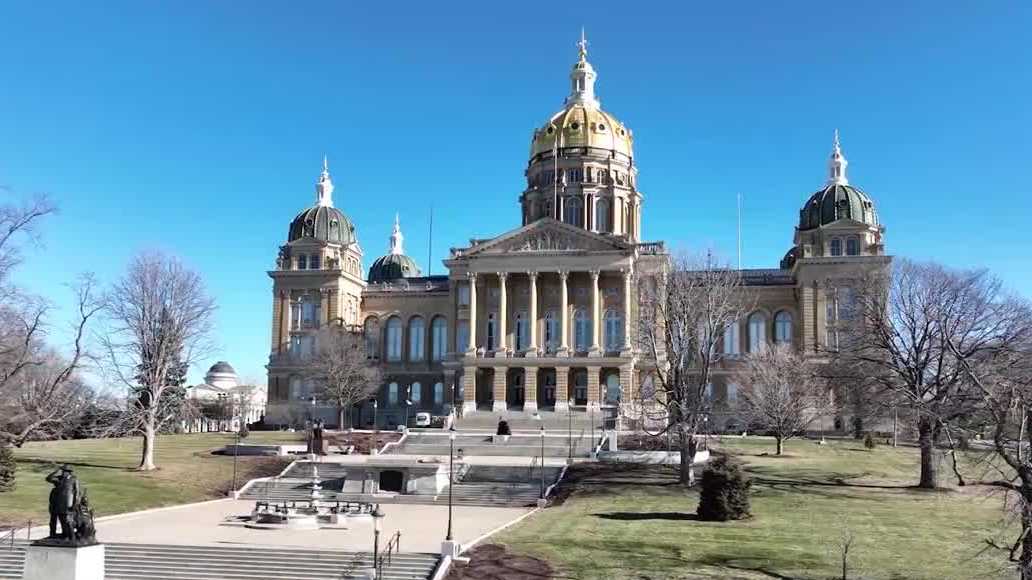
The bill passed out of a Senate subcommittee last week. A date has not yet been set for debate on the Senate floor. It would also need House approval and a signature from the governor to become law.
If passed, supporters say the law could help protect victims, hold traffickers accountable, and restore trust in a profession that many Iowans rely on for legitimate health care.