
The idea for Primrose Candy Company was born after World War I, and the company was started with a bankroll of just $500.
Frank C Puch was the man who made that move all the way back in 1928, and for the better part of the past 100 years, Primrose had been making candy with a catalog that features saltwater taffy, hard candy, lollipops, popcorn, caramels and all kinds of other goodies.
But Primrose’s days may be numbered.
According to The Street, the company has been hit by the pressure of having to deal with higher domestic sugar costs and competition for low-cost imports. And now, per the outlet, the company has filed for Chapter 11 bankruptcy.
That reportedly happened on Jan. 27 with the “company seeking to restructure its financial obligations while maintaining its manufacturing presence in the Midwest,” according to an X post from RK Consulting.
The Street reported that Primrose listed assets of between $1 million and $10 million in its filing with liabilities between $10 million and $50 million.
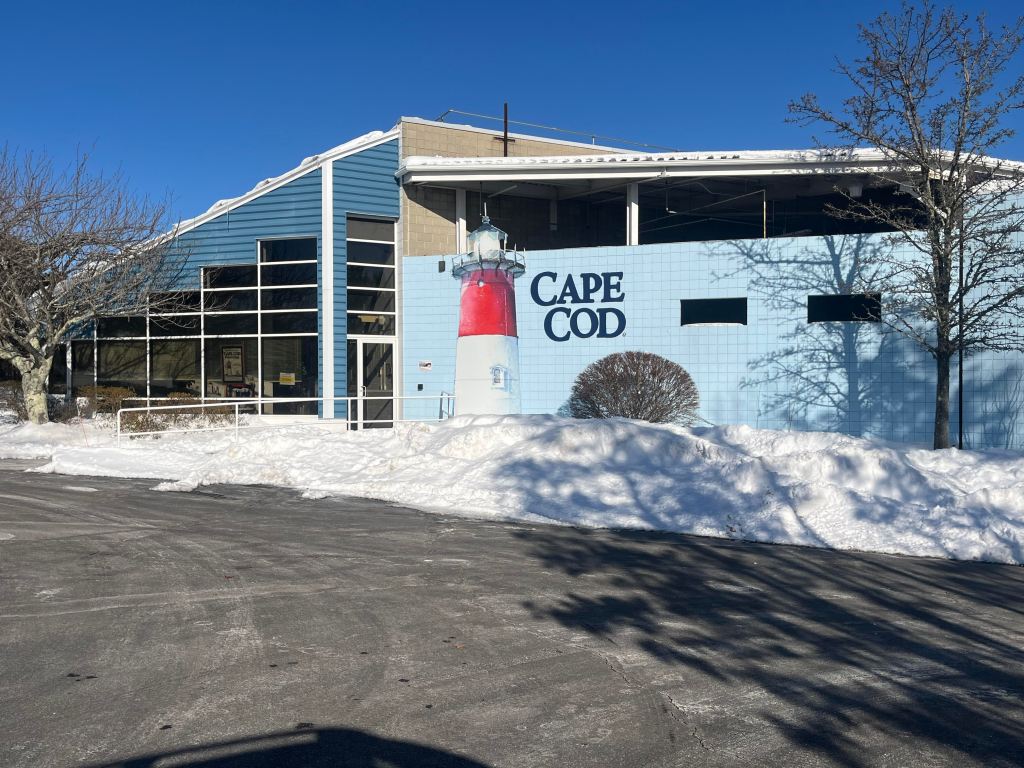
RK Consulting’s post said that the company continues to “operate a 130,000-square-foot manufacturing facility in Chicago, though it recently faced significant headwinds including the loss of two major contracts for lemon drop production worth approximately $1 million annually.”
The move also comes after the company settled a class action lawsuit for $125,000 in which it was accused of collecting employees’ fingerprints without disclosing and also receiving written consent, which is required by Illinois’ Biometric Information Privacy Act, according to The Street.
A website for the settlement reads, “Without admitting any fault or liability, and in exchange for a release of all claims relating to the collection of biometric information, Defendant has agreed to make up to $125,000 available to pay Settlement Class Members, to pay a service award to Plaintiff for serving as the ‘Class Representative,’ to pay attorneys’ fees and expenses to Class Counsel, and to pay settlement administration costs.”