Early in its history, Whole Foods got some indirect help from an unlikely source: Walmart.
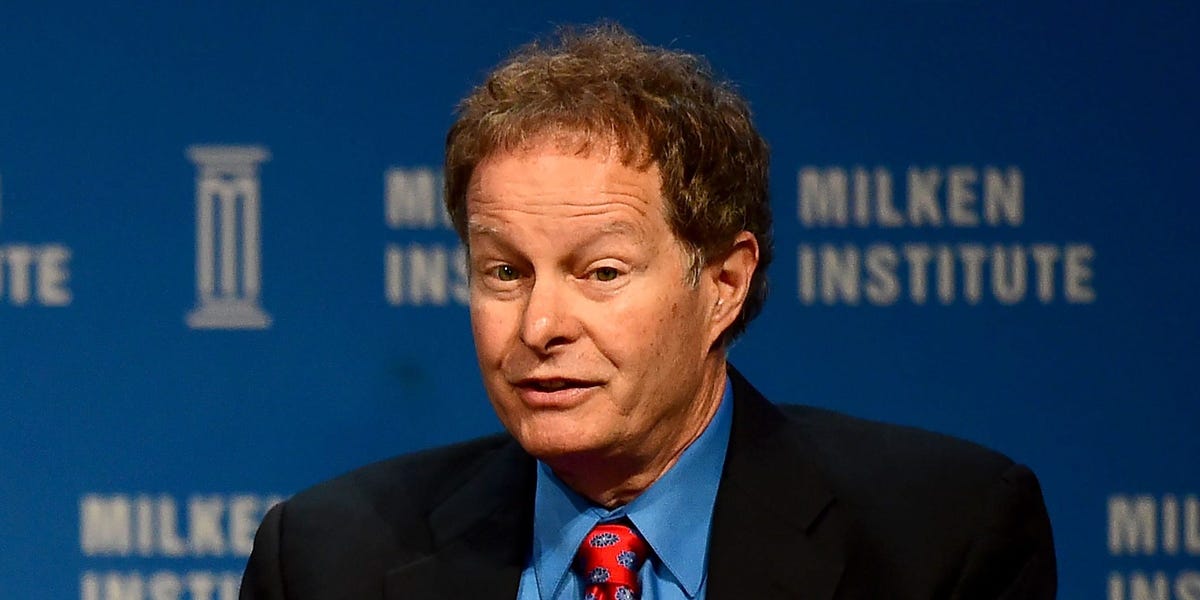
John Mackey, who cofounded Whole Foods in 1980, told podcast host David Senra in an episode released last week that Walmart’s move into groceries in the late ’80s helped the grocery chain find a wider audience.
In its early years, Whole Foods served a niche market of health-conscious shoppers. Its clientele was mostly “a bunch of hippies selling food to other hippies,” Mackey said, describing one venture capitalist’s summation of the store.
In 1988, however, Walmart made a move that would send ripples through the US grocery industry: It opened its first Supercenter, which sold both the general merchandise that Walmart was known for at the time, as well as groceries, a category that put it in competition with traditional supermarkets for the first time.
Walmart’s focus on low prices sent many grocery chains scrambling to cut their own prices — and shed costs accordingly, Mackey told Senra during the episode.
The cuts came in multiple areas, he said. He saw grocers reduce spending on stores, making them resemble warehouses and illuminating them with harsh lighting. Many also “cut their labor to the bone,” which meant that customer service got worse, he said.
“All they wanted to do was figure out how to compete with Walmart,” Mackey said.
Whole Foods focused on quality and service
Whole Foods used a different strategy, he said. The chain played up its selection of health-focused products and customer service as an advantage, even if its prices weren’t as low as Walmart. Whole Foods employees at the time would take customers’ purchases to their cars, for example, he said.
All that helped the grocery chain appeal to upper-middle-class shoppers, especially women, who were looking for a better shopping experience than what they were increasingly finding at America’s cost-conscious supermarkets, Mackey said.
It didn’t matter that many of Whole Foods’ products were foreign to these high-income shoppers or that many Whole Foods employees had tattoos or piercings, Mackey said.
“They wanted to come into a store that was pretty, that was beautiful, with people that gave them good service,” he said.
Attracting those shoppers allowed Whole Foods to grow its sales, Mackey said. “We were not just in our own little Hippieville any longer, ” he said.
Over the next couple of decades, Whole Foods opened new stores outside its home state of Texas and became a national grocery chain, largely ignored by many of its rivals, Mackey said. And while the chain earned the nickname “Whole Paycheck” for its high prices, it also became known for the affluent, liberal-leaning customers who frequented its stores.
“Walmart was this giant distraction, and we were running down the field wide open for the touchdown pass,” he said.
In 2017, Amazon acquired the chain and has since cut prices on many items at Whole Foods as well as brought its Prime subscribers, many of whom are also middle-class shoppers willing to spend a little more on food, into the stores. Mackey, who served as CEO of Whole Foods from its founding, left the company in 2022.
While Whole Foods found its niche in the grocery industry, it still remains a relatively small player in terms of market share. The chain commanded just under 2% of sales in March 2025, according to research firm Numerator. Walmart, meanwhile, took over one-fifth of sales in the US.