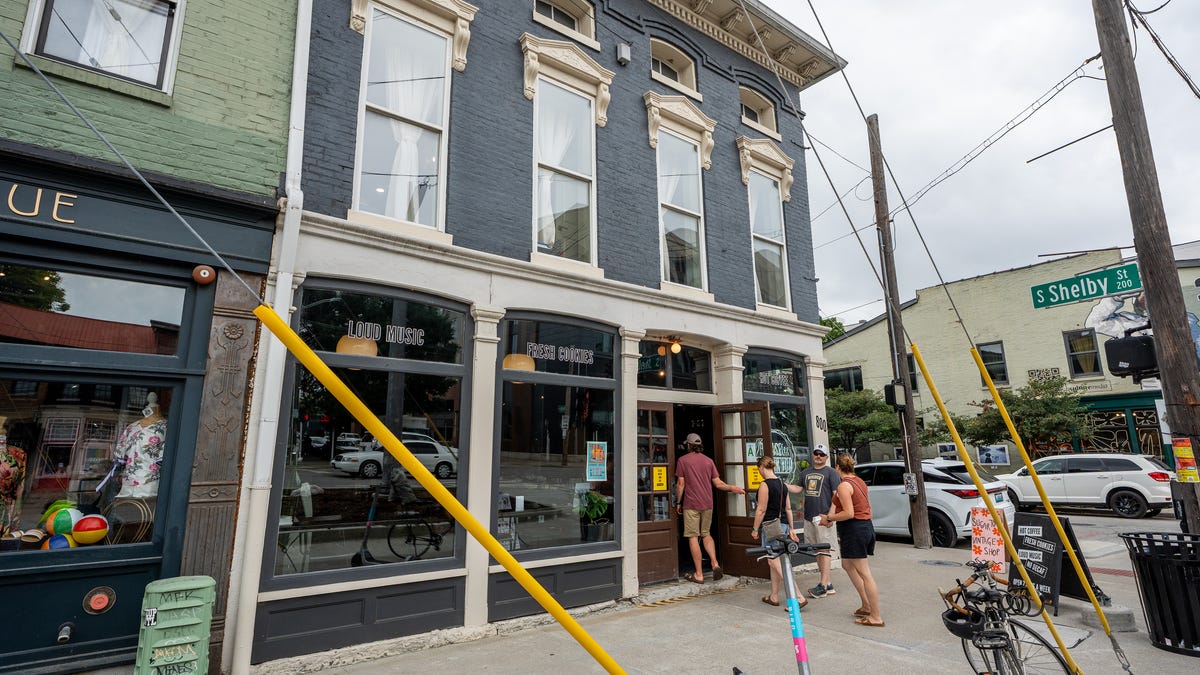
Those who visited Field Day Books & Bottles last week were met with an environment not unlike the Northeast Sandy Boulevard bookstore’s typical Friday rush.
Customers filtered in and out throughout the day — dropping off book donations and chatting with owners Kitty McLeod-Martinez and Alec Ballweg. Others hunkered down at one of the queer-owned shop’s communal tables. At night, a group of regulars brought in pizza for the crew and whipped together signs and posters for future protests.
There was just one notable difference: No one bought anything.
>> Business opening or closing in your neighborhood? Email the reporter at vnocera@oregonian.com.
While Field Day stayed open Friday for those in search of company, craft supplies or a cup of tea, the bookstore abstained from any sales in solidarity with a nationwide strike opposing U.S. Immigration and Customs Enforcement.
“I wouldn’t say it was a hard choice,” McLeod-Martinez said in a phone interview, “but it was an annoying decision, you know?”
January is a tough month for business, and Friday is often one of the store’s busier days, McLeod-Martinez said. Still, they said, sacrificing one day worth of revenue for “the common cause” wasn’t a difficult choice to make.
“That’s just our politics,” McLeod-Martinez said. “Our belief system.”
Field Day was one of several businesses across Portland — ranging from bookstores and bars to restaurants, movie theaters and coffee shops — to participate in Friday’s shutdown, which called for no work, no school and no shopping.
The national strike sought a more widespread version of what had unfolded in Minneapolis one week earlier, when hundreds of local businesses closed their doors to oppose the Trump administration’s immigration crackdown. Friday’s demonstrations also continued to protest the shooting deaths of Renee Good and Alex Pretti by federal agents.
McLeod-Martinez and Ballweg are the only two employees at Field Day, which opened in August. But for other small businesses, some of whom said they had a staff to consider, closing for the day wasn’t an option.
That was the case for Wyrd Leatherworks and Meadery, a medieval fantasy-themed tavern in Southeast Portland.
“The economy is really hard right now for small businesses everywhere, so ultimately, it was like, ‘I don’t think we can feasibly close,’” owner Travis Sigler said. “We all have rent to pay. We all have bills. I have employees who would lose shifts, and they’re already struggling.”
So, instead, Sigler took a hyper-local approach and decided to take the opportunity to support Loly, a Mexican family-owned food cart in the meadery’s parking lot.
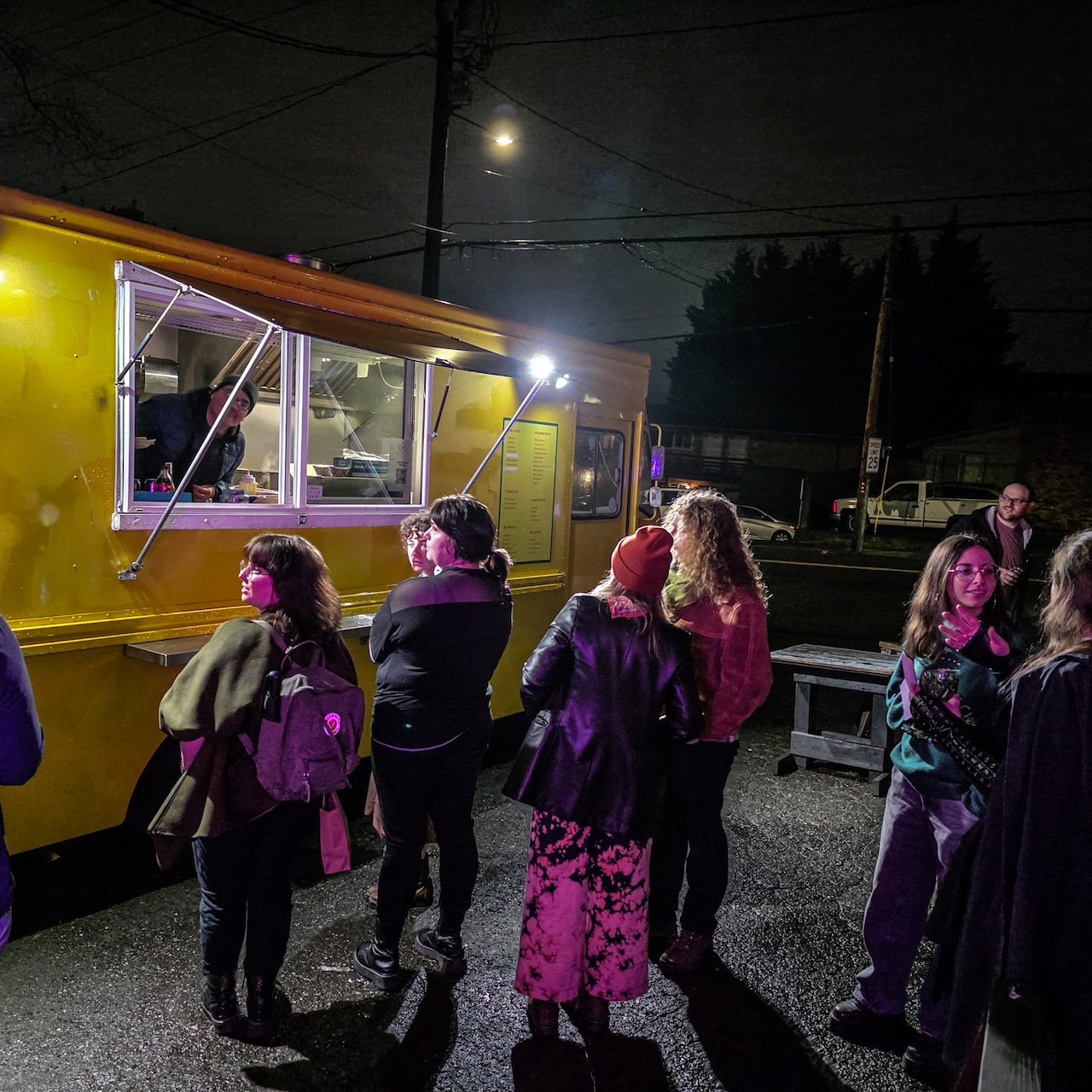
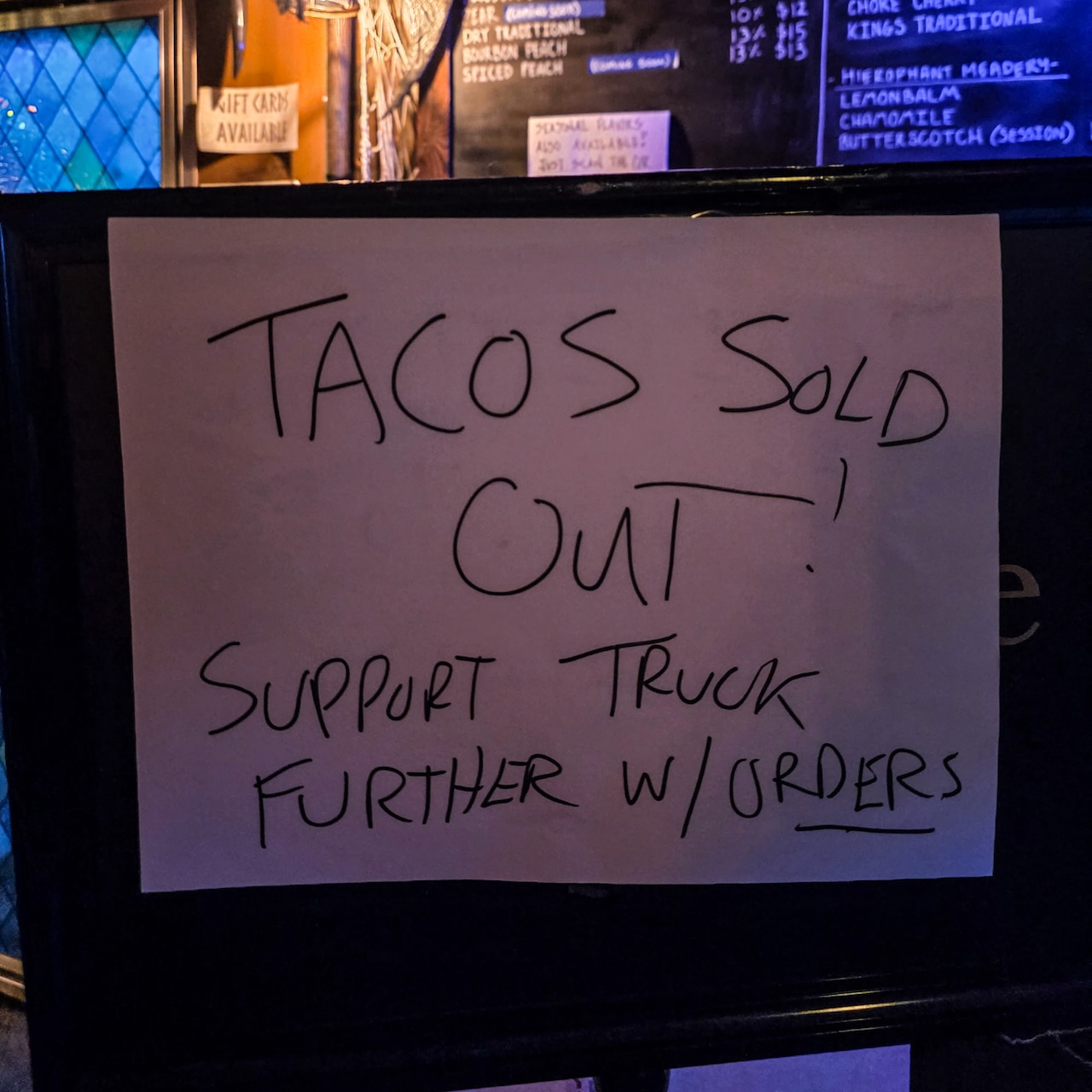
Sigler handed out between 125 and 150 tickets to Wyrd patrons Friday, he said — each redeemable for two free tacos. Once Loly sold out of tacos, customers continued to line up at the cart to buy burritos, nachos, enchiladas and anything else on the menu.
By the end of the night, a few hundred people had come to show their support.
“He ran out of everything,” Sigler said of Loly’s owner. “I’m glad that our business has the strength to pull that sort of community out of thin air, basically.”
Any way small businesses can afford to give back — whether by closing in solidarity or supporting a local group — is impactful, he said.
Sigler chose tacos. Other Portland stores and restaurants opted instead to donate a portion of their daily proceeds to activist or mutual aid organizations in Portland and Minneapolis.
Bold Coffee & Books was another local business that remained open Friday. Focused on uplifting underrepresented voices, the independent bookstore and cafe already donates a portion of sales on select items to the Portland Immigrant Rights Coalition, owner Ali Shaw said.
On Friday, the store expanded these efforts and donated 20% of sales on all items to PIRC, totalling 151 donations and $340, Shaw said.
Like Sigler, Shaw said she wanted to avoid putting financial hardship on Bold’s staff by suddenly cutting shifts. The store also already had a free event scheduled Friday evening: “Meet Me at the Crossroads,” a progressive discussion group hosted quarterly. As part of the gathering, the group wrote letters to elected officials.
“There was definitely some extra energy there,” Shaw said.
There’s a ripple effect that takes place at events like these, Shaw said, where individuals who visited Bold Friday were then able to further engage with their community outside of the store.
“I think when you’re able to rally action and funds toward the cause, that creates the biggest effect,” she said. “If we had just closed and there wasn’t some sort of alternative action, I worry about that being more of a void.”
Katherine Morgan, who owns Grand Gesture Books in downtown Portland, was also open Friday, though the store had previously closed Jan. 25 in solidarity with Minneapolis.
Losing business two weekends in a row wasn’t feasible, Morgan said. Instead, she decided to donate a percentage of Friday’s proceeds to Innovation Law Lab, a Portland-based group that provides legal services to individuals in immigration proceedings.
Friday was busier than usual, with customers filing in throughout the weekend to support the store, Morgan said.
The uptick in business allowed Grand Gesture Books to donate more than originally expected. Though Friday’s sales amounted to around only $65 in donations, she said, the store plans to contribute closer to $300 based on revenue from the rest of the week.

In the future, Morgan said, she might opt to donate a portion of sales again, rather than shutting up shop for the day.
“That, for me, felt more like doing something,” she said. “What are you doing when you’re closed? Am I just at home, sitting and watching TV… or am I actively working in a store and donating proceeds?”
“I think it’s easier to be like, ‘Everyone should stay home and not spend money,’” Morgan added. “But are you still involved in your community in that way?”