
Many people finish a meal and then wait for the familiar discomfort. A small burp, a tight stomach, or a heavy feeling that refuses to go away. It happens so often that people begin to treat it as normal. But the body rarely repeats a signal without reason.Digestive discomfort after meals can come from several hidden triggers. Eating habits, gut bacteria, food intolerance, stress, and even modern diet trends all play a role. Gastroenterologists say that while occasional bloating is harmless, frequent symptoms deserve attention because the gut often reflects the body’s overall health.Dr Anupama N K, Senior Consultant in Medical Gastroenterology at Aster CMI Hospital in Bangalore, explains, “Frequent burping or bloating following meals is something many people deal with. Often, it’s due to straightforward issues: perhaps you’re eating too fast, swallowing air along with your food, or consuming something that naturally produces gas. However, if these symptoms are persistent or particularly troublesome, it could signal an imbalance in your digestive system, often referred to as gut health.”Here’s all we need to know about why digestion goes wrong can help people correct small habits before they grow into bigger health issues.
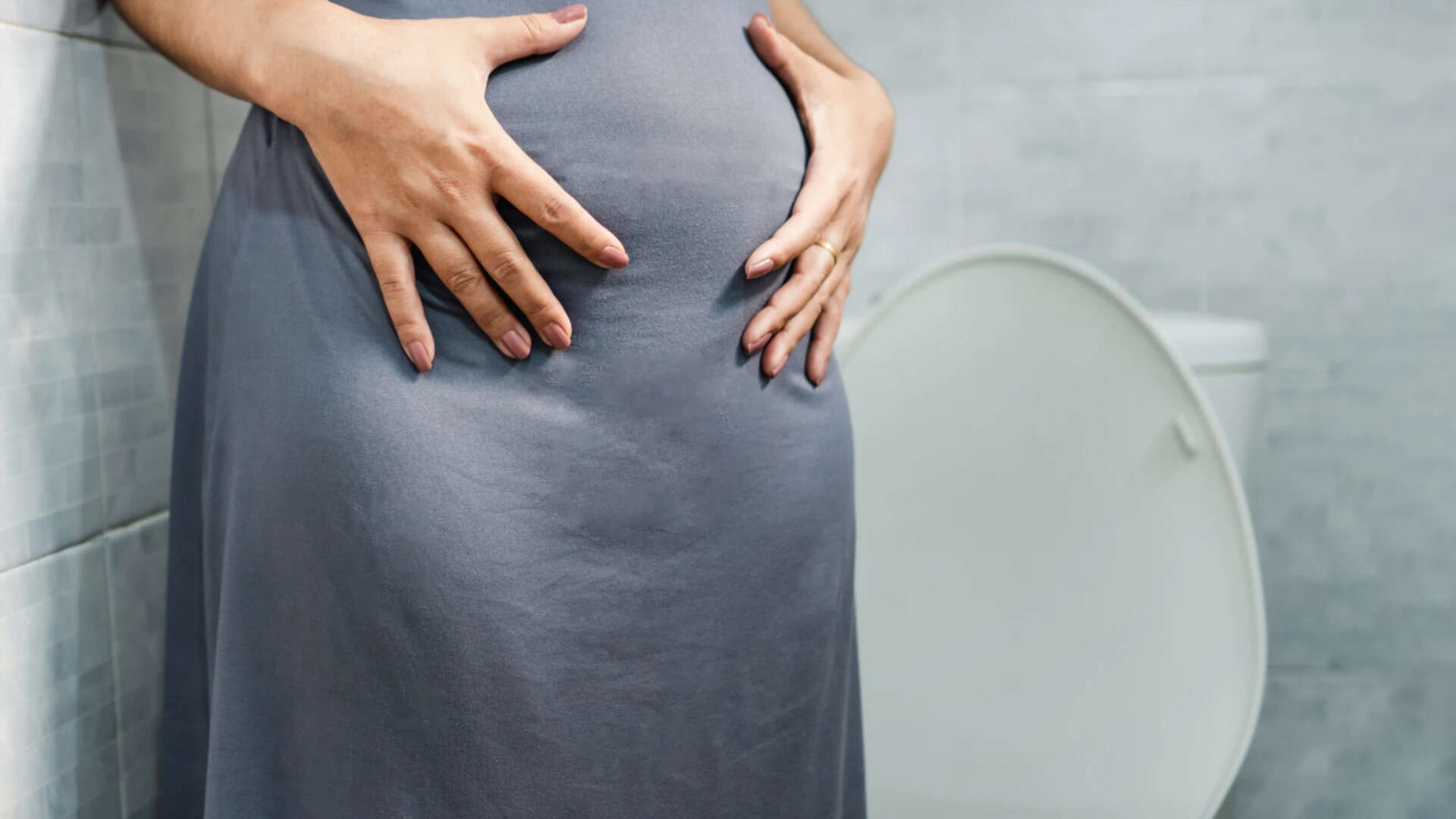
Occasional symptoms are harmless. Persistent symptoms, however, may suggest deeper digestive imbalance.
Why burping and bloating happen after eating
Burping is simply the body releasing swallowed air. The stomach fills with small pockets of air during meals. When pressure builds, the body releases it through the mouth.Dr Anupama told TOI Health, “Burping usually happens when swallowed air gets stuck in the stomach and is expelled through the mouth. A person may experience this if they chew gum, drink carbonated drinks, talk while eating, or eat quickly.”But bloating works slightly differently. It often happens when food is broken down in the intestines and produces gas.Several common habits increase this effect:
- Eating too fast
- Drinking fizzy beverages
- Overeating in one sitting
- Eating large meals late at night
- Low physical activity after meals
According to the US National Institute of Diabetes and Digestive and Kidney Diseases (NIDDK) gas in the digestive tract mainly comes from swallowed air and the breakdown of food by gut bacteria.Occasional symptoms are harmless. Persistent symptoms, however, may suggest deeper digestive imbalance.
Your gut bacteria may be out of balance
Inside the digestive system lives an enormous ecosystem. Scientists call it the gut microbiome. It contains trillions of bacteria that help break down food, absorb nutrients, and regulate immunity.When this system stays balanced, digestion runs smoothly. When the balance shifts, symptoms appear.Dr Anupama notes, “Medical professionals say that experiencing frequent bloating and burping after meals can sometimes be a sign of disruption of the gut bacteria. The human digestive system is home to a trillion bacteria, which are responsible for the digestion of food, absorbing the nutrients, and keeping the digestive tract healthy overall.”If harmful bacteria begin to dominate, digestion slows down. Gas production increases. The stomach may feel swollen or uncomfortable after meals.Research from the Frontiers in Medicine confirms that disturbances in the gut microbiome are linked with digestive issues such as bloating, irritable bowel syndrome, and metabolic disorders.Gut health often reflects lifestyle choices. Diet quality, sleep, stress, and physical activity all influence the bacteria that live inside the digestive system.
Food intolerance is more common than people think
Another hidden reason behind digestive discomfort is food intolerance. Unlike allergies, intolerance does not involve the immune system. Instead, the body struggles to digest certain nutrients.Dr Anupama highlights this clearly, “Food intolerance can be another reason behind these symptoms. For example, people with lactose intolerance or those who find it hard to digest certain carbohydrates present in foods like beans, onions, cabbage, and wheat may not break down these foods properly.”When food remains partially undigested, gut bacteria begin fermenting it. Fermentation produces gas, which leads to bloating and burping.Common intolerances include:
- Lactose intolerance (dairy products)
- Sensitivity to certain carbohydrates
- Wheat intolerance in some individuals
Many people live with mild intolerance without realizing it. Tracking symptoms after meals often helps identify the trigger.
The high-protein diet trend: helpful or overhyped?
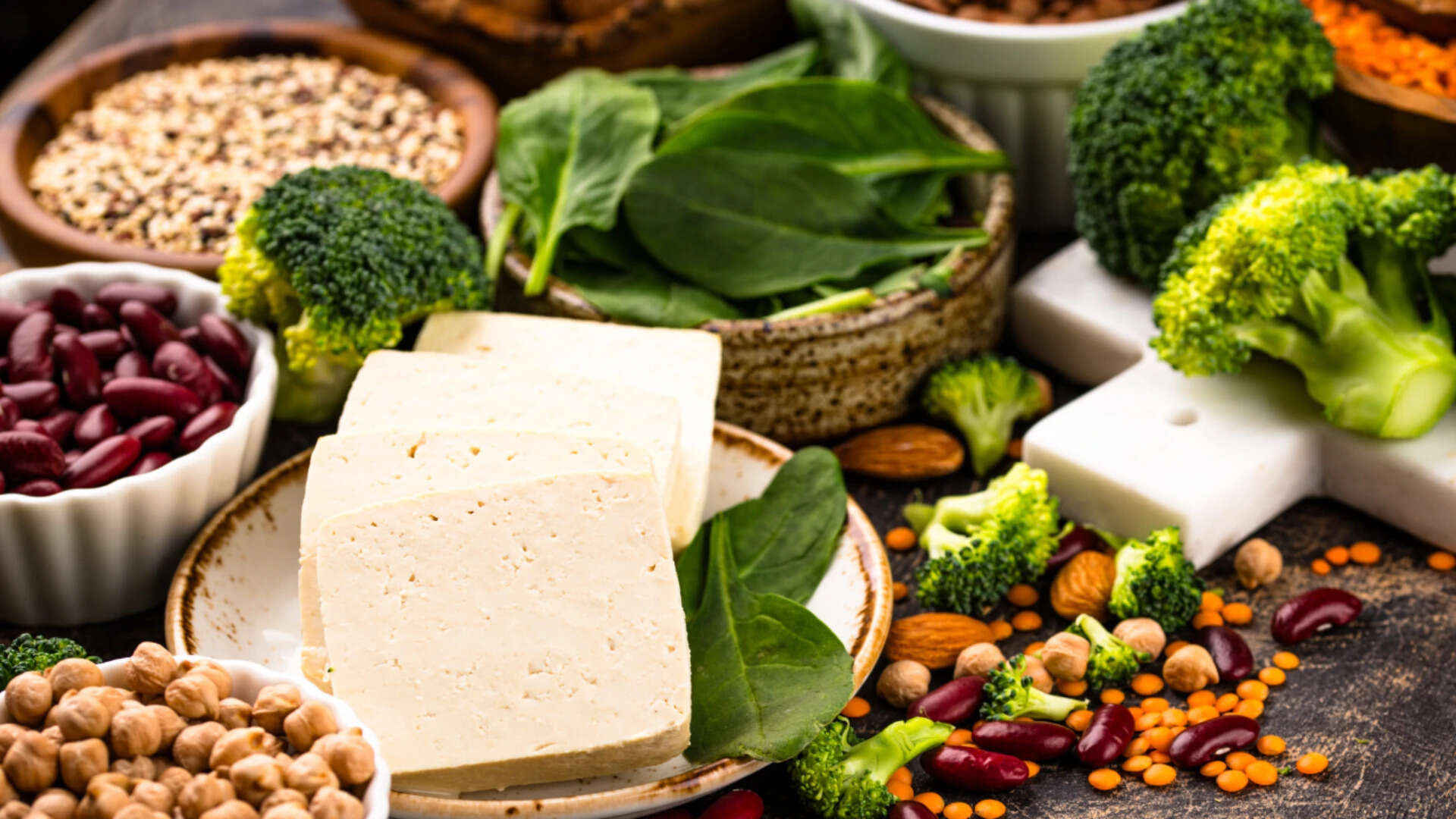
High-protein diets have become extremely popular worldwide. Fitness influencers, athletes, and social media platforms often promote them as a solution for weight loss and better health.Protein is essential for muscle repair, hormone production, and metabolism. But the modern obsession with very high protein intake deserves careful examination.The Indian Council of Medical Research (ICMR-NIN) recommends roughly 0.8 to 1 gram of protein per kilogram of body weight for most adults.When people push protein intake far beyond these levels, digestive issues may appear.
Why does this happen?
Protein-heavy meals often contain less fiber. Low fiber slows digestion.Large protein portions take longer to break down in the gut.Excess protein fermentation in the colon can produce gas and bloating.Many experts say high-protein diets are helpful when balanced with fiber, vegetables, and hydration. But extreme versions can strain digestion.Protein is valuable, but the body prefers balance over extremes.
Stress, sleep, and daily habits quietly affect digestion
Digestion is not only about food. The brain and gut communicate constantly through what scientists call the gut-brain axis.When stress levels rise, the nervous system shifts into survival mode. Blood flow changes. Digestion slows. Gas and discomfort increase.Dr Anupama explains that lifestyle patterns often worsen digestive symptoms, “Psychological stress and certain lifestyle choices can greatly affect how your gut works. Stress at a high level, eating at odd times, not getting enough sleep, and not being physically active can throw off your gut’s normal movements.”Some habits that disturb digestion include:
- Late-night meals
- Skipping meals and overeating later
- Poor sleep cycles
- Sitting long hours without movement
- Chronic stress
Small lifestyle adjustments can dramatically improve gut health over time.
Simple lifestyle changes that help the gut recover
Digestive health rarely improves overnight. But consistent habits slowly restore balance in the gut.Doctors usually recommend a few simple steps:
- Eat slowly and chew food well. Digestion begins in the mouth.
- Add fiber-rich foods such as vegetables, fruits, lentils, and whole grains.
- Drink enough water throughout the day.
- Walk for 10-15 minutes after meals to help the digestive system move food along.
- Reduce excessive carbonated drinks and processed foods.
- Maintain regular meal timings.
Medical experts consulted This article includes expert inputs shared with TOI Health by: Dr. Anupama N K, Senior Consultant in Medical Gastroenterology at Aster CMI Hospital in Bangalore.Inputs were used to explain how frequent burping or digestive discomfort can signal underlying gut imbalances or food intolerances, and why consulting a gastroenterologist and adopting healthy lifestyle habits is essential to improve digestion and overall health.