Last Updated:
From semaglutide to personalised metabolic care, doctors explain the new science-driven approach to weight loss.




Weight loss is evolving beyond calorie counting.
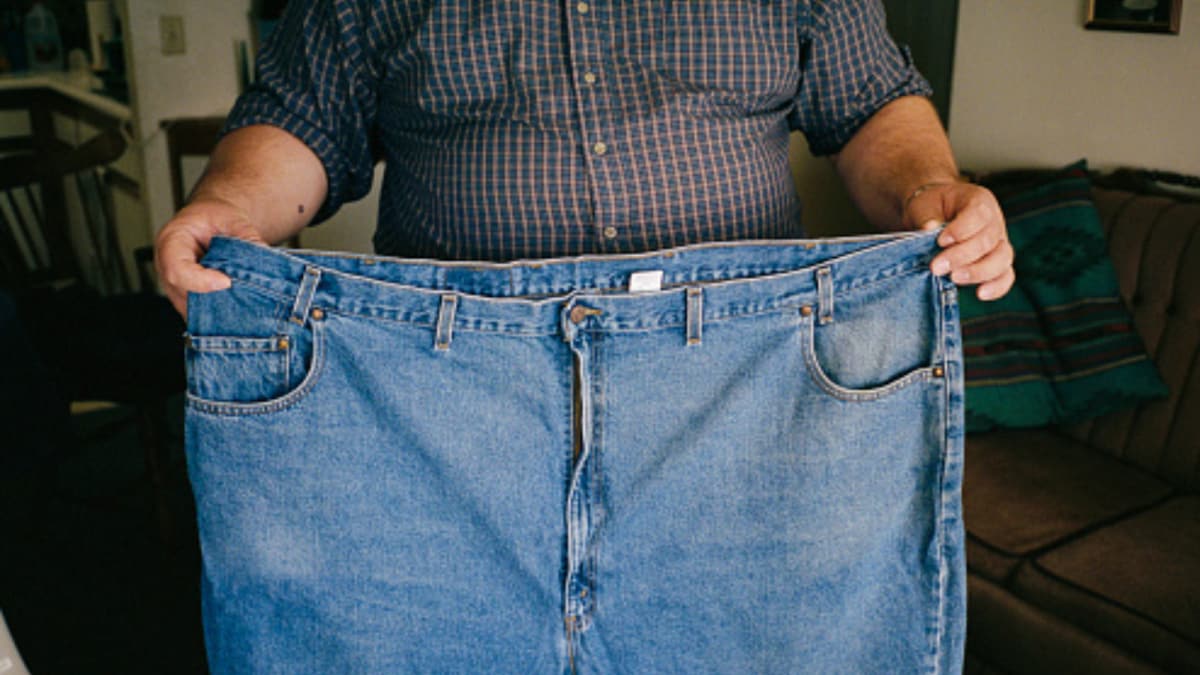
For decades, weight loss advice followed a predictable formula: eat less, move more. But the conversation around obesity and metabolic health is evolving rapidly. Advances in medicine, new drug therapies, and a deeper understanding of metabolism are reshaping how doctors approach weight management today. Instead of focusing solely on the number on the scale, experts increasingly see weight loss as part of a broader journey toward metabolic balance, long-term health and sustainable lifestyle change.
“Years have passed with slimming seen just one way – eat less, move more, or bariatric surgery. Now a new path is emerging that combines doctor-led medical care with aesthetic interventions tailored for each person,” says Dr Anmol Chugh, Associate Director & Head, Plastic & Aesthetic Surgery, CK Birla Hospital, Gurugram.
The Rise Of Medical Weight Loss
Much of this shift has been driven by new medications designed to regulate appetite and metabolism. Drugs such as semaglutide, widely discussed through brands like Ozempic, have transformed how patients and physicians think about weight loss.
“These medicines influence hunger signals and improve insulin response, which can lead to steady fat loss over time. But even when the weight drops, patients may still struggle with loose skin and changes in body shape,” explains Dr Chugh.
As a result, aesthetic and reconstructive procedures are increasingly entering the discussion around post-weight-loss care. “Rapid or significant weight loss often leads to sagging skin and changes in body contours. Procedures that tighten skin or reshape the body help restore symmetry and tone once the fat disappears,” he adds.
Metabolic Health: A Luxury Or A Necessity?
Beyond cosmetic outcomes, experts say metabolic health itself is becoming a major focus for both preventive care and performance optimisation. Govind Lohia, Metabolic Health Coach and Co-Founder, The Good Weight, believes India is witnessing a cultural shift in how people perceive health. “For high performers, metabolic optimisation becomes a strategy for long-term productivity. For others, it begins only when a health crisis appears. But ultimately, everyone is seeking value from the investment in their health,” he says.
The Promise And Risks Of GLP-1 Drugs
While medications are expanding treatment options, specialists caution against viewing them as quick fixes.
“For most patients, obesity is not a lifestyle choice. It is a complex chronic disease. The narrative is finally shifting toward recognising obesity as a medical condition requiring clinical management,” says Dr Neha Shah, Bariatric & Metabolic Surgeon, Chennai.
She notes that GLP-1 therapies were once prohibitively expensive but are becoming increasingly accessible. “With Indian pharmaceutical companies launching semaglutide, what was once considered a celebrity drug could soon become mainstream,” she explains.
However, accessibility brings new risks. “These drugs are powerful metabolic tools, not wellness supplements. Without proper supervision, patients may face complications such as pancreatitis, thyroid tumours, vision disturbances and severe gastrointestinal side effects,” Dr Shah warns.
Another concern is muscle loss. “If appetite is suppressed without adequate protein intake and resistance training, patients lose lean muscle mass – the body’s metabolic engine. That makes weight regain very likely once the medication stops,” she says.
A More Integrated Future For Weight Care
The next phase of weight management is likely to involve multiple disciplines working together – medical specialists, nutrition experts, metabolic coaches and aesthetic surgeons. Doctors increasingly begin conversations early in a patient’s weight-loss journey, considering how metabolism, body composition and physical appearance will evolve.
Ultimately, the goal is no longer simply shedding kilograms. It is about restoring metabolic balance, preserving muscle, maintaining healthy body composition and building sustainable habits. When approached holistically, weight management becomes less about chasing a number and more about creating lasting vitality.
Delhi, India, India
March 16, 2026, 10:24 IST