
And as Anderson predicted, the 787-10 was the aircraft of choice.
The commitment will give the Atlanta-based carrier at least 30 and as many as 60 of the stretched-out jets, all powered by GE Aerospace.
“This order underscores the strength of the U.S. aerospace industry and advanced manufacturing, with both the aircraft and its … engines designed and manufactured in the United States,” Delta said
The first Dash 10 is expected to be delivered in 2031. The value of the order after customary discounts was not disclosed.
“These aircraft will enhance our international network, deliver superior economics and extend our long-haul capabilities,” said Bastian, who succeeded Anderson as CEO in 2016.
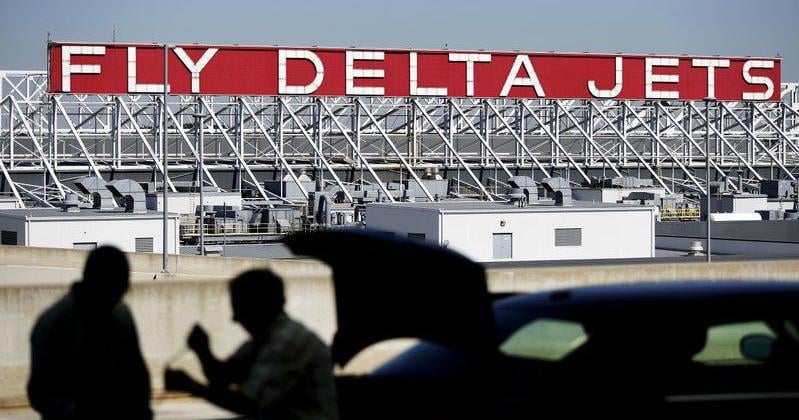
The deal pairs two big companies that rely on the runways at Charleston International, where Delta is by far the longest-serving airline. It’s been flying in and out of CHS and its predecessor since the Great Depression, starting with a cross-country mail run that took flight in July 1934.
Delta remains among the airport’s top carriers, currently in the No. 2 slot.
It also stands out as the last of the major legacy U.S. airlines to buy the 787.
Delta’s new Dreamliners aren’t likely to be pulling up to the gates at Charleston International or other South Carolina airports. It picked the 787-10 for its operating efficiencies, its flexibility on longer international routes and its ability to wring out extra fare revenue from its spacious premium-priced seating areas.
Also, the order is part of an effort to balance out a fleet of large twin-aisle jets dominated by Airbus planes.
“It’s been a long time since we took a Boeing widebody,” Bastian said during a media call this month.
Joe Esposito, executive vice president and chief commercial officer at Delta, called the Dreamliner order “a natural evolution in our fleet” and “a powerful change.”
“When we look out into the future, the 787 is a great airplane … We’re able to do a lot with the 10 version … on the premium seating. It’s a great cargo airplane. And it also drives diversification within our fleet … not only on the airframe but on the engine side. So, it’s a natural fit, especially when it starts to replace the 767-400s, which it’s slated to do. It’s designed for growth and replacement,” he said.