MIDDLETON, Wis. — Small businesses across Dane County are grappling with mounting financial pressure from federal tariffs, with many saying they lack the resources to challenge the policies in court even as costs continue to rise.
Wisconsin importers have paid $8.9 billion in tariffs since President Trump began implementing them during his first term. More than a third of those duties — $3.5 billion — were paid between March and December 2025 alone, according to a report compiled by We Pay the Tariffs, a small-business advocacy organization opposed to Trump’s tariff strategy.
The report shows an explosion of import taxes paid by Wisconsin businesses starting in February 2025, jumping even higher after April 2, 2025 when Trump imposed tariffs on most U.S. trading partners.
At least 10 Wisconsin companies have filed lawsuits against the Trump administration seeking refunds, but smaller businesses say litigation remains out of reach financially. Six Dane County businesses have joined the We Pay the Tariffs coalition that advocates for policy changes without pursuing costly court battles.
The local businesses include Enjoy Winter in Middleton, Century House Inc., Thunderworks Games, DSG Outerwear, Servv International and Sugar River Pizza — representing a diverse range of industries from outdoor recreation to gaming and food service.
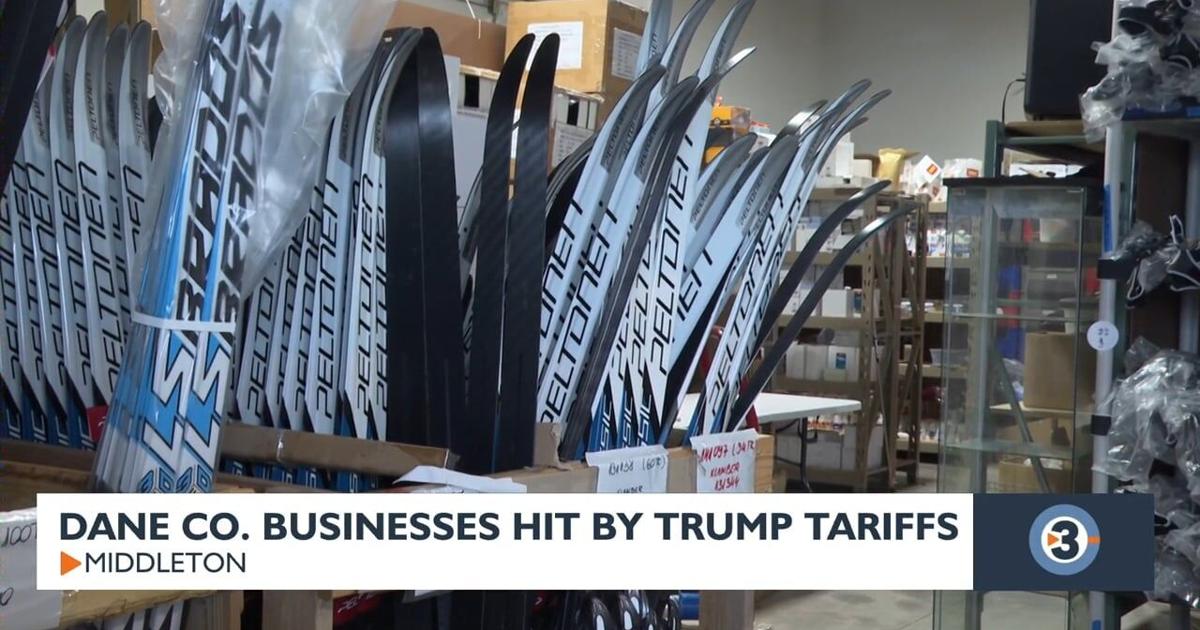
Andy Gerlach, president of Enjoy Winter in Middleton, imports skiing equipment from more than 20 brands worldwide, primarily from Europe. His business exemplifies the challenges facing small importers who compete against larger corporations with greater negotiating power and legal resources.
“The tariffs increased my price over the last year, a minimum of 15%. That was for European based products,” Gerlach said. “Some of the products that are made elsewhere were over 20%.”
The tariff burden extends beyond simple cost increases. Gerlach said he spends hours daily verifying tariff codes and checking bills, time he would prefer to dedicate to customer service and business growth.
“Every business decision we’re making has even a greater risk. Our margins are less. And the unknown of what the tariffs are going to be tomorrow, next week, next month or four years from now, it makes it difficult to sleep at night,” Gerlach said.
Unlike larger competitors who can negotiate special deals or lobby Washington, small independent businesses often absorb tariff costs rather than pass them entirely to consumers. Gerlach raised his prices by approximately 10% despite facing minimum cost increases of 15-25% on imported products.
“If I raise my costs, every skier is less likely to buy a new pair of skis or a new pair of boots,” he explained. “They’ll use their old ones more, or they’ll go to my competitor who are not independent businessmen, but they’re subsidiaries of a global company.”
The uncertainty surrounding tariff rates creates additional operational challenges. Businesses must navigate constantly changing policies while attempting to maintain competitive pricing and customer relationships.
“Makes it real difficult for the small, independent businesses to continue at their game. And, focus on helping people enjoy every day and enjoy winter, or enjoy summer or enjoy weekends better, when I’d rather be doing that rather than looking at tariff rates,” Gerlach said.
Legal challenges to the tariff policies are mounting. In a significant development this week, a federal judge ruled that the Trump administration needs to refund $130 billion in tariffs after thousands of companies sued seeking to recoup their payments to the government.
On Thursday, a coalition of two dozen states, including Wisconsin, sued to block the latest round of tariffs, arguing the statute Trump is citing is reserved for currency crises, not a trade deficit.
The “We Pay the Tariffs” coalition now includes more than 850 small businesses nationwide. The group recently launched a national letter campaign calling for “full, fast and automatic” tariff refunds following the Supreme Court decision that struck down certain tariffs imposed under the International Emergency Economic Powers Act.
According to coalition data, 92% of the $426 million in tariffs Wisconsin businesses paid in December were levied by presidential action without congressional approval.
The coalition argues that small businesses cannot wait years for potential refunds through lengthy legal processes, particularly as tariff costs continue mounting. Members say they need immediate relief to maintain operations and compete effectively against larger corporations with greater resources to navigate trade policy challenges.
COPYRIGHT 2026 BY CHANNEL 3000. ALL RIGHTS RESERVED. THIS MATERIAL MAY NOT BE PUBLISHED, BROADCAST, REWRITTEN OR REDISTRIBUTED.