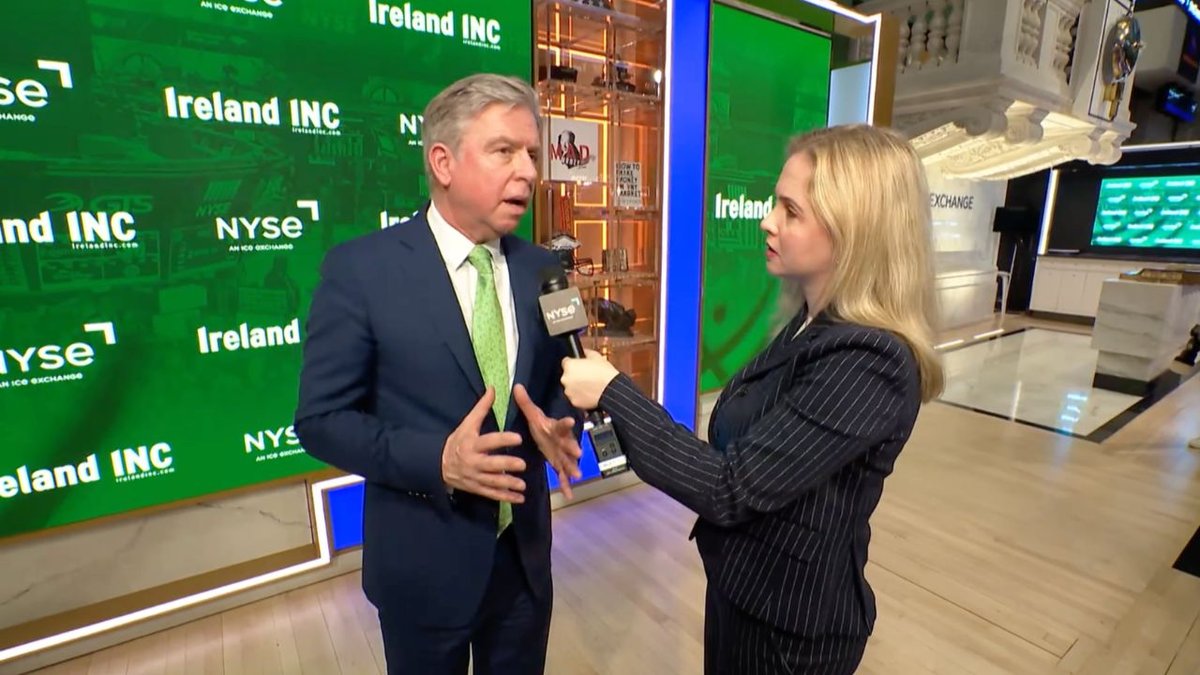
Oscar Pérez-Oliva Fraga, Cuba’s economic czar, said his country was ‘open to maintaining a fluid commercial relationship with US companies.’

Trump says Cuba may or may not be ‘friendly takeover’
President Donald Trump said the U.S. may or may not do a “friendly takeover” of Cuba.
- Cuba will now permit Cubans living abroad to invest in and own private businesses in their home country.
- The new policy is part of broader economic reforms aimed at reviving Cuba’s struggling economy.
- These changes follow the confirmation of ongoing economic talks between Havana and Washington.
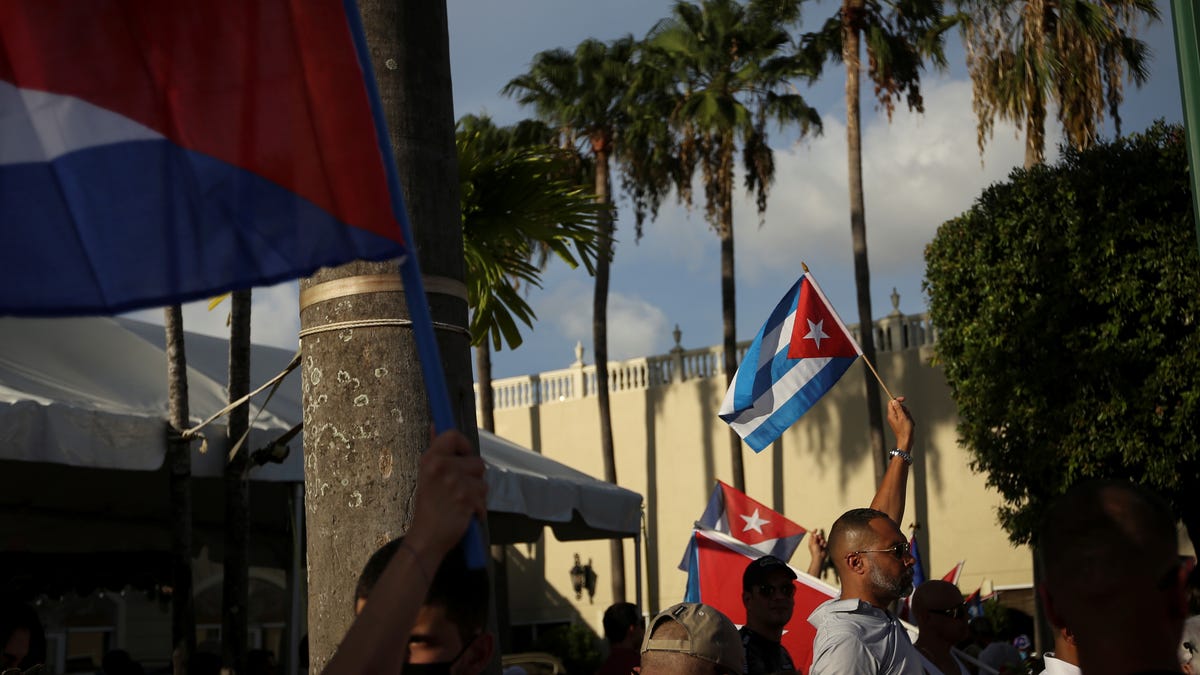
Cubans living overseas, including in places like Miami, will be allowed to invest in Cuba’s private sector and own businesses in their home country, the nation’s top economic official said in a March 16 interview with NBC News.
Oscar Pérez-Oliva Fraga, Cuba’s economic czar and its deputy prime minister, said his country was “open to maintaining a fluid commercial relationship with U.S. companies” and “also with Cubans living in the United States and their descendants.”
Fraga made the comments in an interview in Havana ahead of formally announcing the policy. His remarks follow the first public confirmation − on March 13 − from Cuba that talks have taken place between Havana and Washington, in a sign the communist-run nation is open to signing a possible historic economic deal with the United States.
“These conversations are focused on finding solutions to bilateral differences we have between the two nations through dialogue,” Cuban President Miguel Díaz-Canel said, confirming those talks.
The rare public remarks from Díaz-Canel could potentially lead to Cuba’s biggest economic opening since the state seized and enacted sweeping nationalizations to the economy in 1961 in the wake of the Cuban Revolution.
It comes amid escalating pressure from President Donald Trump to force a change on Cuba that could have implications for Americans’ ability to travel to and do business on the Caribbean island.
Signs of an economic deal for Cuba
Cuba’s top diplomat in Washington told USA TODAY in an exclusive interview on March 13 that Havana was engaged in “serious” and “sensitive” negotiations with the U.S. government. Lianys Torres Rivera declined to say how far along the talks may be while stressing the Cuban government has been a reliable partner.
Torres Rivera also restated the Cuban government’s position that the U.S. embargo, which Havana refers to as a blockade, is an “illegal law” and argued that it has a “direct and negative, harmful impact on the life of the Cuban people.”
In the interview with NBC, Fraga said the economic reforms he is unveiling are aimed at creating what he called a “dynamic business environment” to help revive sectors, from tourism and mining to fixing and updating Cuba’s out of date power grid.
“This extends beyond the commercial sphere,” added Fraga, who also serves as Cuba’s minister of foreign trade and investment. “It also applies to investments − not only small investments, but also large investments, particularly in infrastructure.”
USA TODAY previously reported that the Trump administration is preparing an economic deal with Cuba that could be announced soon, though the details of the prospective deal and exact timing are not known.
The Miami Herald reported on March 13 that the Cuban government was expected to soon announce the economic reforms that would allow Cuban Americans living in South Florida and elsewhere in the U.S. and around the world to invest and own private businesses on the Caribbean island.
Cuba and the U.S. have had a strained relationship for nearly seven decades, dating back to Cuban leader Fidel Castro’s overthrow of a U.S.-backed government in 1959. The Obama administration took steps to normalize bilateral relations, including restoring diplomatic ties and expanding travel and trade.
Trump rolled back many of those normalization steps during his first term.
Speaking to reporters on Air Force One on March 15, he said Cuba is a failed nation. “Cuba also wants to make a deal, and I think we will pretty soon, or either make a deal, or do whatever we have to do,” he said.
“I think something will happen with Cuba pretty quickly,” Trump added.
Trump has previously said Cuba’s “going to fall pretty soon” unless it makes a deal with him. He has also suggested, without elaborating, that he could pursue a “friendly takeover” of the island nation.
He has cut off Venezuelan oil shipments to Cuba and threatened to slap tariffs on any country that sells oil to Cuba, piling pressure on an economy already struggling with shortages of food, fuel, electricity and medicine.