
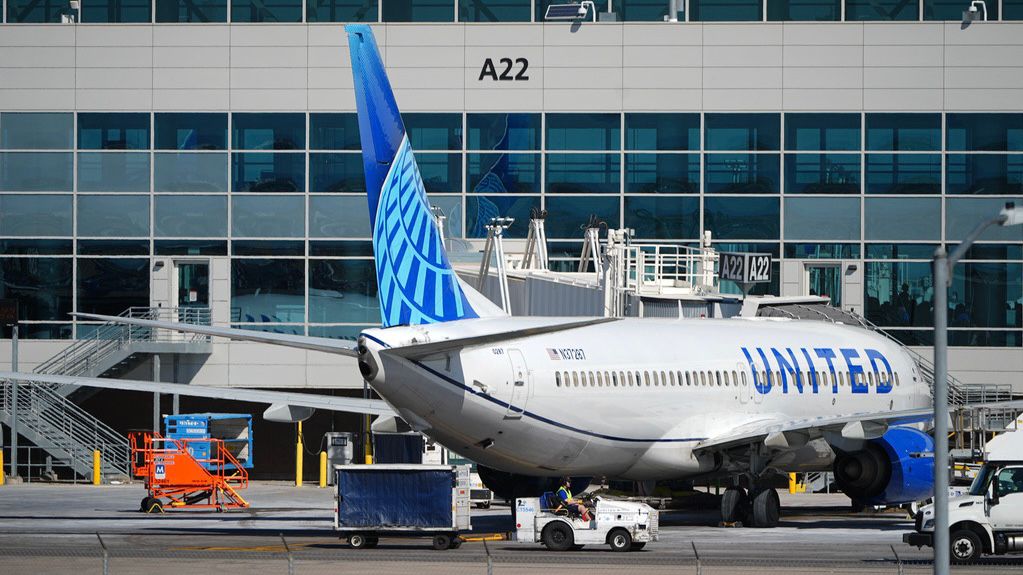
United Airlines announced Friday it is charging an additional $10 on checked bags, joining JetBlue which announced a similar move earlier this week.
But as fuel prices increase to their highest levels in years, it isn’t only airlines that are increasing fees and adding surcharges. Shipping companies are also charging extra.
“Elevated costs in fuel and logistics have increased the cost of operating across the industry,” an Amazon spokesperson told Spectrum News.
The world’s largest online retailer announced Thursday it will add a 3.5% fuel and logistics surcharge for its third-party sellers in the United States and Canada starting April 17.
“We have absorbed these increases so far, but similar to other major carriers, when costs remain elevated, we implement temporary surcharges to partially recover these costs,” the spokesperson said.
The price of brent crude oil has increased by at least 50% since the war in the Middle East began. It was trading at $72 per barrel on Feb. 27, the day before the U.S. and Israel attacked Iran. At the market close on Friday, it was trading at $109.
The national average price for a gallon of gasoline is now $4.09, according to AAA — up more than $1 compared with before the war.
The United States Postal Service was among the first companies to announce it would raise prices because of increasing fuel prices.
“Transportation costs have been increasing, and our competitors have reacted with a number of surcharges,” the USPS said in a statement March 25, one day after the governors of the Postal Service approved an 8% increase on package deliveries starting April 26.
“While this price increase is a time-limited adjustment, it will provide a necessary bridge to a permanent mechanism to reflect market conditions in prices for competitive products,” the statement said.
FedEx added 26.5% to the price of its ground shipments on March 30. A company spokesperson said it manages fluctuations in fuel prices through dynamic surcharges that are adjusted weekly in line with global fuel price movements.
The United Parcel Service increased its ground shipment rates 25-28% the week of March 21, according to its website.
“We have fuel surcharges regularly in effect (this is not new),” a UPS spokesperson told Spectrum News. “UPS updates its fuel surcharge to reflect the changes in the costs we incur for fuel to serve our customers.”
UPS said its surcharge is based on the U.S. Energy Information Administration’s U.S. Average On-Highway Diesel Fuel Price and is updated weekly.
The Danish company Maersk, which handles about 14% of the world’s shipping containers, has also imposed a temporary emergency bunker surcharge to cover “the impact of fuel availability” due to “the evolving security situation in the Middle East,” according to its website
The new surcharge took effect March 25 and will be adjusted based on fuel availability and cost, the company said.
With the Strait of Hormuz largely closed because of the conflict, Maersk said it is redistributing fuels to offset shortages in the Middle East and securing alternative sources from different locations and suppliers.
“By implementing this surcharge,” Maersk said on its website, “we are best placed to continue to offer said stability as we have access to the needed fuel and the ability to move it to where it is needed.”
Increased fuel and shipping prices are only beginning to drive up consumer prices. Analysts say the full effects of higher fuel costs are likely to hit later this month and into the middle part of the year, increasing costs for food, airline tickets and other goods and services.
“Adjusting fees for optional services used by select customers, such as checked baggage, allows us to continue offering more competitive fares while delivering the onboard experience our customers love,” including complimentary snacks and drinks, a JetBlue spokesperson told Spectrum News.
JetBlue said earlier this week that it will increase the cost of a checked bag for many passengers by $4 to $9.
Airlines and shippers aren’t the only businesses to be directly affected by rising fuel costs.
The ride-share companies Uber and Lyft both announced last week that they are offering gas discounts and expanded rebates to their drivers through May 26. Uber is also providing mileage-based bonuses through May 3.
Neither company responded to a request for comment about whether they plan to eventually increase prices for passengers due to rising fuel costs.