
When I started this column a couple of years ago I made it clear that this was an occasional, non-exclusive relationship, and we were both free to do other things. You could read about tactics, transfers or even tennis, and I could write about biathlon and curling.
But I will hold my hand up and admit I am not sure where the last four months have gone. I should have at least done a mailbag, podcast or thread on X. Sorry.
So, let me make it up to you with a bumper edition of industry news, takeover talk and gossip from the networking breakfasts I attend on your behalf, starting with the excellent buffet at the Financial Times’ Business of Football Summit in London last week.
In its eighth year, the FT event has become a can’t-miss croissant on the sports conference circuit as it attracts an all-star cast of chairs, chief executives and founders. It also asks good questions like “How do you make money in football?” and “Will the new independent regulator improve the way English football is run?”
If there was a consensus from the panels, keynotes and coffee breaks, the answer to the first question is you have to be an elite footballer, or their agent, to make money in football. And the answer to the second question is “Yes!” — although that was the independent regulator’s answer.
The programme started with FT columnist Simon Kuper, the co-author of sports-biz bestseller Soccernomics, telling us that club ownership in English football has transformed from a landscape of “dispersed” local shareholders in the 1970s, to a clique of billionaire “single owners” now. Why? Because the sums involved mean only the mega-rich can play at this table, and they want total control over how much they lose.
Next up was UEFA’s financial sustainability and research director Andrea Traverso, with a presentation based on the annual report on European club finances which the governing body had just published. His main point was that elite clubs are earning more money than ever before, with commercial revenues booming, but they are also spending more on transfers and financing costs related to transfers.
While UEFA’s squad-cost regime has kept a lid on players’ wages, clubs are still in the red. None more so than Chelsea. According to the report, the Premier League club set a new English record for an annual pre-tax loss of £342million ($456m) last year, which takes some doing when you sell £300m of talent and earn more than £80m from winning the Club World Cup.
Chelsea set a new English club record for pre-tax losses (Jasper Wax/Getty Images)
The other big takeaway from Traverso’s presentation is that it is time to stop talking about Europe’s “Big Five” leagues as if they are equals. English clubs account for a quarter of European club football’s total annual income of £26billion and have spent that money acquiring 200 of the top 500 most valuable players on the planet.
Traverso described this as a “worrying concentration of talent”.
La Liga boss Javier Tebas certainly sounded worried, as he used his session to say it is not fair that the Premier League will let teams spend 85 per cent of their turnover on their squads, as opposed to the 70 per cent limit UEFA and other leagues are using. In fact, he thinks some English teams will take advantage of the league’s lassitude by going up to the 115 per cent threshold where sporting sanctions start. History suggests he is right.
History also explains why Tebas was followed onto the stage by David Kogan, the Independent Football Regulator’s chair.
If English football clubs had shown more financial restraint in the past, or been less guided by naked self-interest, Kogan would still be quietly advising leagues on their broadcast deals and donating his money to Labour politicians, instead of gearing up to run the first government-mandated regulator in world football.
However, it is a power he wants to wield lightly, if at all.
The big message in his speech was that he knows English football would collapse next month if all the rich folk who own the clubs decided to pull the plug. He also suggested he already knows the best way to address this is for the Premier League to share more of the money it generates. To be honest, almost everyone knows this… but how much is fair? I suspect Kogan has a view, but his message to the leagues is do not leave this up to him: the leagues can and should do this themselves.
Will they? Well, the next panel, a conversation about financial sustainability and competitive balance, revealed just how hard it is to find agreement on anything, as EFL chair Rick Parry dipped into his big bag of facts to highlight just how unequal English football has become, European Leagues general secretary Alberto Colombo explained how it’s no better elsewhere, European Football Clubs chief executive Charlie Marshall said words to the effect of “crisis, what crisis?” and Professional Footballers’ Association boss Maheta Molango said something like “don’t blame us, we just work here”.
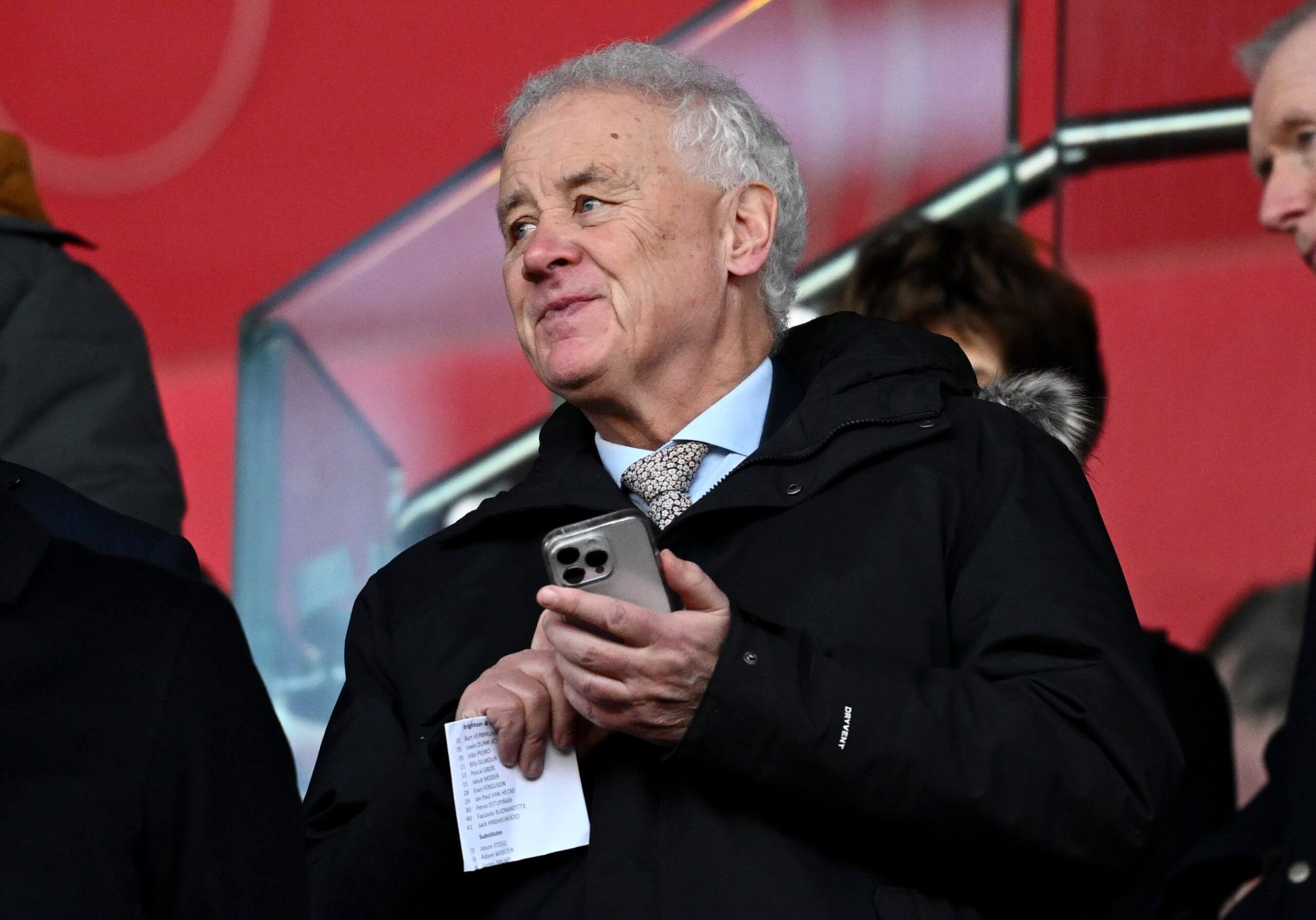
EFL chairman Rick Parry highlighted how unequal English football has become (Gareth Copley/Getty Images)
After lunch, Premier League head honcho Richard Masters told the room he agrees with Kogan that the regulator should stay out of it and let him and Parry decide a “proportionate and sensible” settlement. At some point. No rush. Not that the Premier League doesn’t already share plenty with the EFL. Who would probably waste it, anyway. I am paraphrasing slightly.
The rest of the afternoon featured bosses making grand claims about how football stadiums are now an asset class (describing teams as an asset class is old hat, apparently), the size of basketball’s European fanbase and how loss-making teams like Aston Villa Women or Como 1907 are going to wean themselves from owners’ credit cards.
The day finished with cocktails, as all days should. Skulking at the bar were a group of American bankers and fund managers. I asked them where “the smart money” was going these days. Not here, they said.
League One clubs on decks
Other opinions are available, though! They must be, as football’s mergers and acquisitions industry appears to be picking up again.
Just this week, music industry veteran Sir Lucian Grainge and Blackstone senior executive Prakash Melwani have bought minority stakes in Premier League side Brentford, who continue to impress on and off the field, while boxer, influencer, musician and now entrepreneur KSI has joined the group that wants to take sixth-tier Dagenham & Redbridge back to the EFL.

KSI wants to take Dagenham & Redbridge back to the EFL (Julian Finney/Getty Images)
If we go back a couple of months, Aldershot Town and Hartlepool United were bought outright and investors joined the ownership groups at Lincoln City and Peterborough United. And if we look further afield, Real Madrid goalkeeper Thibaut Courtois took a small stake in French team Le Mans, while Cristiano Ronaldo acquired 25 per cent of Spanish side UD Almeria.
Do these deals demonstrate that football clubs are great investments, or do they prove that football is a Wild West that depends on FOMO and the “greater fool” theory to stagger on? My LinkedIn feed is an endless debate on this topic, and it is hard to say which side is winning.
But one thing is certain: almost every club is for sale, at the right price. It just depends on how actively the current owners are advertising that fact.
One of the stranger perks of writing this column is that people send me, unsolicited, sales decks for clubs, and I assume it is because they want me to tell you that club X is on the market without that club putting a “For Sale” sign up. It cannot be because they think I can afford a football club.
But if I could, I would be looking at clubs below the financial wasteland that is the Championship, but with proven potential of making a run at the Premier League. My bet would be that things are going to get a little less insane now that the IFR is in place, and more money should be coming down the pipe from the top division.
Bradford City, for example, would interest me and, as luck would have it, they are for sale.
Owner Stefan Rupp, a German investor, bought the club with a business partner in 2016 but has been in sole charge since 2019. They were a League One side when he arrived, but were relegated in the year his partner quit and then returned to League One last year. They have spent most of this season in the play-off positions and are now fourth, six points clear of seventh-placed Huddersfield with a game in hand.
Rupp has been listening to offers for years but has showing a bit more leg ever since last season’s promotion, hence the 31-slide “Welcome to Bradford City” presentation that arrived in my inbox.

Bradford City are well placed to secure a League One play-off place (George Wood/Getty Images)
The sales pitch is pretty simple. Bradford City are a club on the up from the largest one-club city in the EFL, with the fourth largest stadium in League One and a 145-year history that includes two seasons in the Premier League between 1999 and 2001.
The deck continues with slides on the average attendance (almost 18,000), the club’s player-development record (nearly £2m in academy sales over the last five years) and the fact that Bradford, England’s 10th largest city, was the UK’s “City of Culture” last year.
Sales decks almost never mention price tags but Rupp, who wants out completely, has been telling suitors he is looking for at least £10m, which would give him a profit of about £5m as he would write off the £5.4m he has lent the club. Unfortunately, buying the stadium, which is owned by another former owner’s pension fund, will cost you extra, but the deck strongly suggests there is a deal to be done there.
What do you think? Worth a call?
Hold on a moment. You have options. Wigan Athletic, for example, are also for sale, as the 43-slide “investment memorandum” dated January 5, 2026, makes clear.
Their owner Mike Danson, a local multimillionaire, rescued the club in 2023 after several years of financial turmoil under overseas owners but he always gave the impression of someone who was doing it out of civic duty and the fact that Wigan Warriors, the successful rugby league team he owns, shares a stadium with the football club. A stadium he owns.
Nothing wrong with that, of course, and Wigan Athletic have stabilised on his watch, although this season has been a struggle on the pitch. In fact, since sending the deck to prospective investors, Wigan Athletic have parted ways with manager Ryan Lowe and his “impressive CV”. They are 19th in League One, only a point clear of the drop zone.
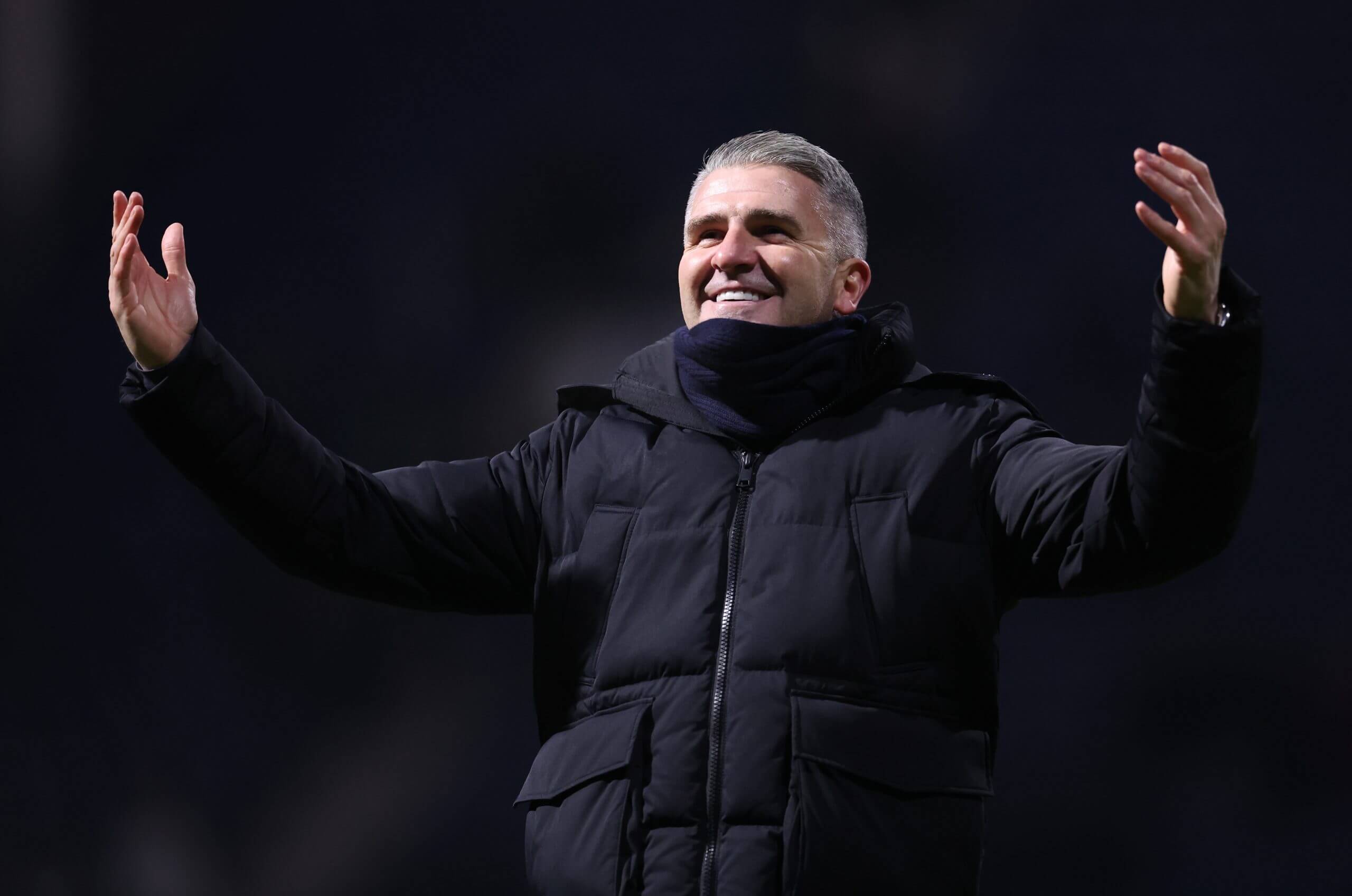
Wigan Athletic have now parted company with manager Ryan Lowe (Alex Livesey/Getty Images)
However, the club still has a good story to sell, as they sold £7.6m worth of academy talent in the 2024-25 season, are well located between Liverpool and Manchester, and only a two-hour train trip from London, won the FA Cup in 2013, and spent eight years in the Premier League between 2005 and 2013.
OK, there have been two administrations since then, but Danson has cut costs and raised revenues.
There is also a slide on the club’s “outsized cultural impact” thanks to the “Will Grigg’s on Fire” chant that went viral in 2016 and, apparently, helped turn its inspiration, “Freed From Desire”, into a global football anthem. I have no strong beliefs as to whether this is a good thing or not.
Again, there is no price. But I suspect Danson would take less than £10m, and he is also willing to stick around as a minority partner to shoulder some of the burden going forward.
Will Dons trust the process?
Or maybe you do not want to be a majority owner. Perhaps you are quite happy to be one voice among many.
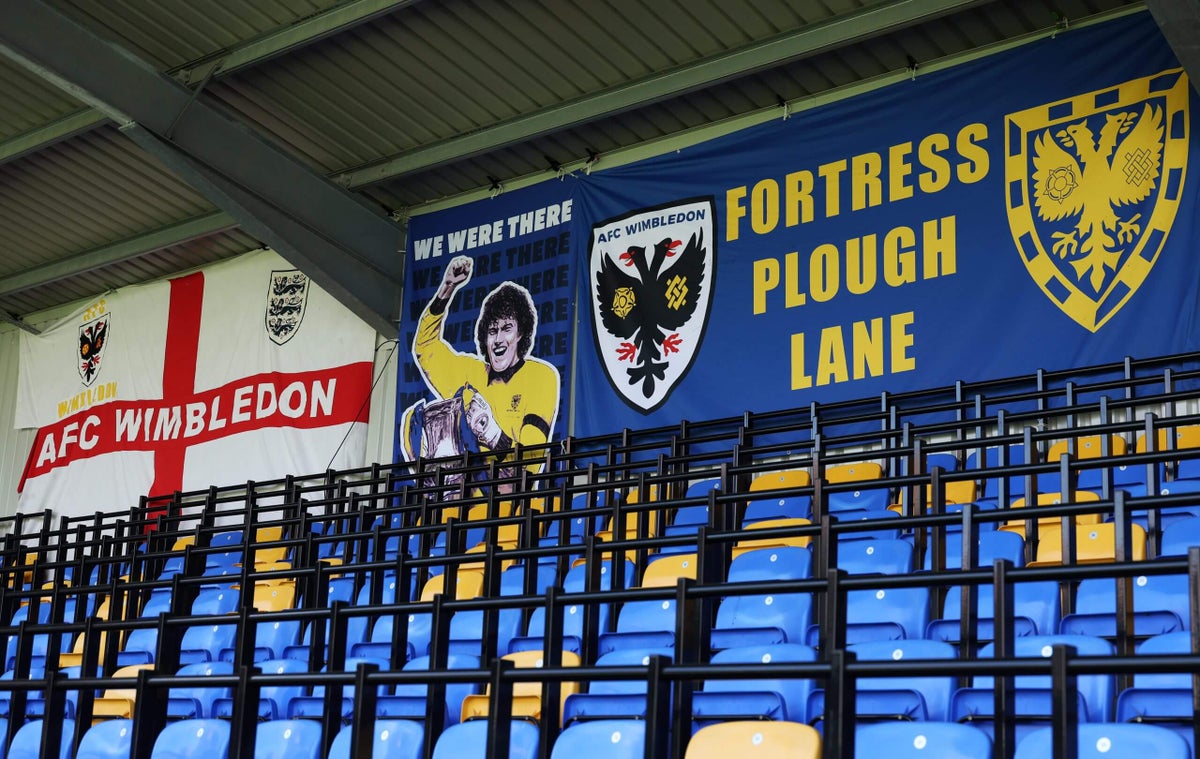
If so, there is an intriguing exercise in democracy underway at AFC Wimbledon, the club that was founded in 2002 by fans of Wimbledon FC who objected to that club’s highly controversial move to Milton Keynes.
AFC fans, I promise that is the last time I will mention that club or their new home, as that is very much the past and the future is far more interesting.
Last month, I revealed that Robbie Earle, the NBC pundit who used to play for Jamaica, Port Vale and… someone else, is fronting a group of American, British and Italian investors who would like to buy a significant stake in the League One club.
They are not alone, though, as AFC Wimbledon are a well-run side, with a new ground, in a growing part of south London, and room for further development.
At present, the club is majority-owned by the Dons Trust — a one-member, one-vote, fans’ group — and the club’s constitution says no other entity or person can own more than 15 per cent of the club. That is a great way to maintain fan control, but a major obstacle to attracting fresh investment.
And that is what the club’s board, including representatives from the trust, believe is badly needed.
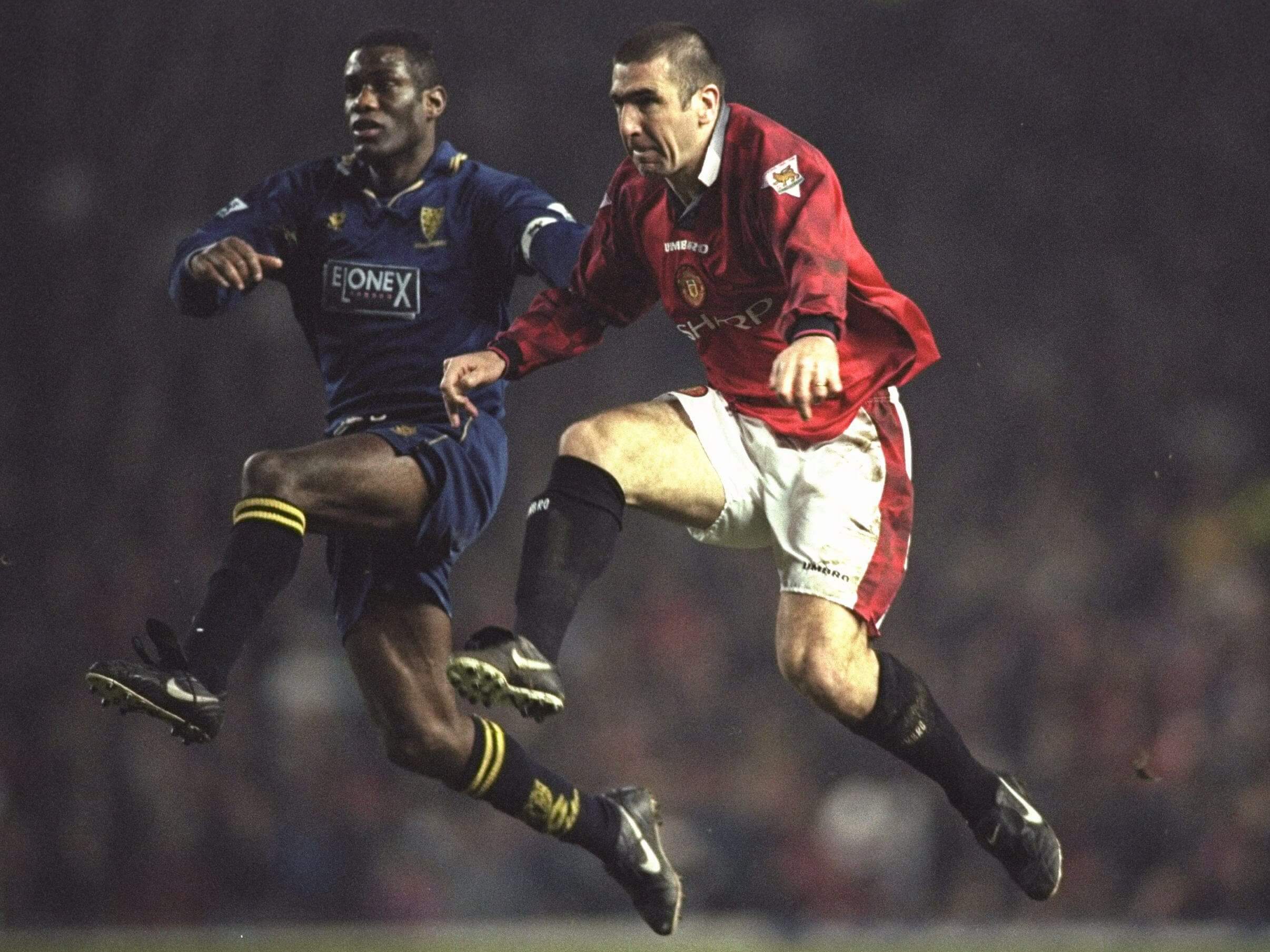
Robbie Earle competes for possession with Manchester United’s Eric Cantona during his playing days at Wimbledon (Mark Thompson/Allsport)
Earlier this week, trust members were asked to vote on a proposal to scrap the 15 per cent individual investment cap and lower the trust’s minimum shareholding to 50.01 per cent of the voting rights. The board has told voters this is the only way the club can survive in League One and, hopefully, push on to the Championship and beyond.
The club currently lose about £2m a year, which is good for League One, and they cover that with player sales. But AFC, as it is currently constituted, simply cannot borrow the money required to fully take advantage of the club’s attractive location.
So, they need a partner, someone with deeper pockets and real-estate expertise. But it must be someone who is happy to only ever be a 49.99 per cent partner at best.
Before anyone gets to that point, the members must back the board’s proposal. That will require two votes: one at a special general meeting on 23 March, and then, if that is successful, a confirmatory vote on 8 April. For the first vote, a 75 per cent majority is needed, with at least 50 per cent of the members voting, and that majority must account for at least 40 per cent of the total membership.
At the confirmatory vote, a two-thirds majority of those voting will be sufficient, but 50 per cent of the total membership must vote.
Early indications are that the votes will succeed, which is good news for Earle and everyone else who would like join AFC Wimbledon’s admirable climb up the pyramid, cliff edges and all.
That will probably do for this edition, and I promise I won’t be a stranger or get my head turned by exotic sports again.