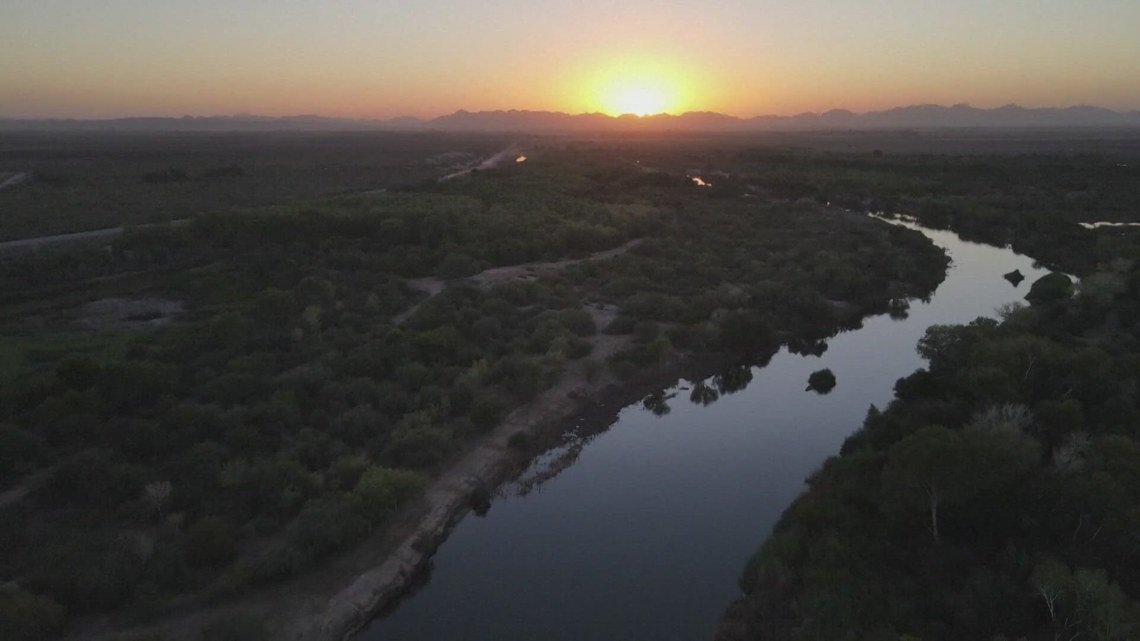
Colorado faces pivotal challenges in 2026 as it grapples with a significant budget gap and urgent water concerns, pressuring leaders to find viable solutions.
DENVER — Colorado is navigating a critical economic and environmental crossroads as 2026 gets underway. From a high-stakes federal summons over the West’s most vital water resource to a legislative session tasked with closing an estimated $850 million budget gap, the state’s long-term resilience is being put to the test.
In this week’s Business Buzz, host Ryan Frazier examines the “difficult math” facing state leaders, businesses, and families alike — and what’s at stake if solutions fall short.
The Colorado River Crisis: Governors Summoned to D.C.
The long-term economic health of the American West hinges on the Colorado River, and time is running out for a consensus-based management plan.
Governors from all seven Colorado River Basin states have been summoned to Washington, D.C. for high-level talks with Interior Secretary Doug Burgum, as federal officials press states to break a two-year impasse over how to manage shrinking water supplies. The goal is to reach a framework agreement ahead of a critical February 14 federal target date.
If the states — split between the Upper Basin (Colorado, Wyoming, Utah, New Mexico) and the Lower Basin (Arizona, California, Nevada) — fail to reach agreement, they risk federally imposed management rules that could shape water operations for decades.
Key Data Points on the Colorado River:
- Impasse: States remain deadlocked over how to share water cuts during dry years.
- Hydrological Reality: Snowpack in the Upper Colorado River Basin is among the lowest levels observed in the past 25 years, intensifying supply concerns.
- System Risk: If Lake Mead and Lake Powell fall to critically low “dead pool” elevations, the system would be unable to generate hydropower or reliably deliver water downstream.
Shannon Mullane, water reporter for The Colorado Sun, joined the show to explain how this level of federal involvement underscores the seriousness of the moment.
For Colorado’s business community — from agriculture and energy to housing development — the outcome of these talks will directly affect water certainty, project financing, and long-term investment decisions for the next 10 to 20 years.
Legislating Affordability: The 2026 Business Agenda
At the Gold Dome, Colorado’s 150th year of statehood is being marked by a challenging fiscal and economic backdrop. Lawmakers are grappling with an estimated $850 million budget shortfall while households and businesses continue to face high costs for housing, food, and operations.
Senate President James Coleman (D) and Senate Minority Leader Cleave Simpson (R) joined the Business Buzz for a bipartisan conversation on the priorities and pressures shaping the 2026 legislative session. Watch the conversation below:
The 2026 Legislative Landscape
- Budget Gap: Colorado faces an estimated $850 million budget shortfall for the upcoming fiscal year.
- AI Regulation Delay: Implementation of the Colorado AI Act has been delayed to June 30, 2026, giving lawmakers and stakeholders additional time to review and refine the law.
- Regulatory Review: Lawmakers are considering proposals to review recent state regulations to identify unnecessary or excessive burdens on businesses.
Despite deep political differences, the discussion revealed areas of agreement: both caucuses recognize that regulatory complexity and affordability pressures are threatening Colorado’s competitiveness and future investment. Whether through regulatory reviews, workforce development, or targeted cost-relief measures, lawmakers face mounting pressure to deliver results that businesses and families can feel in the near term.
The Takeaway
Whether it is the flow of the Colorado River or the flow of capital through the state budget, the defining theme for Colorado in 2026 is defensibility.
“Bipartisanship isn’t just a buzzword; in a budget-crunch year, it’s the way the wheels of government keep turning. And, our economy benefits,” Frazier said.
For businesses, investors, and families watching closely, the decisions made in the months ahead will shape Colorado’s economic resilience for years to come.