Colorado faces pivotal choices as banking mergers rise and a Lakewood vote could reshape zoning laws.
DENVER — Colorado is navigating a week of structural shifts, from the consolidation of its banking sector to a contentious battle over the future of its neighborhoods.
As national players absorb local institutions and cities grapple with housing density, the theme for consumers and residents alike is “choice.” In this week’s 9NEWS Business Buzz, Business Expert Ryan Frazier examines the changing landscape of Colorado’s financial institutions and the citizen-driven vote that could reshape Lakewood’s zoning laws.
The Banking Shift: Consolidation vs. Community
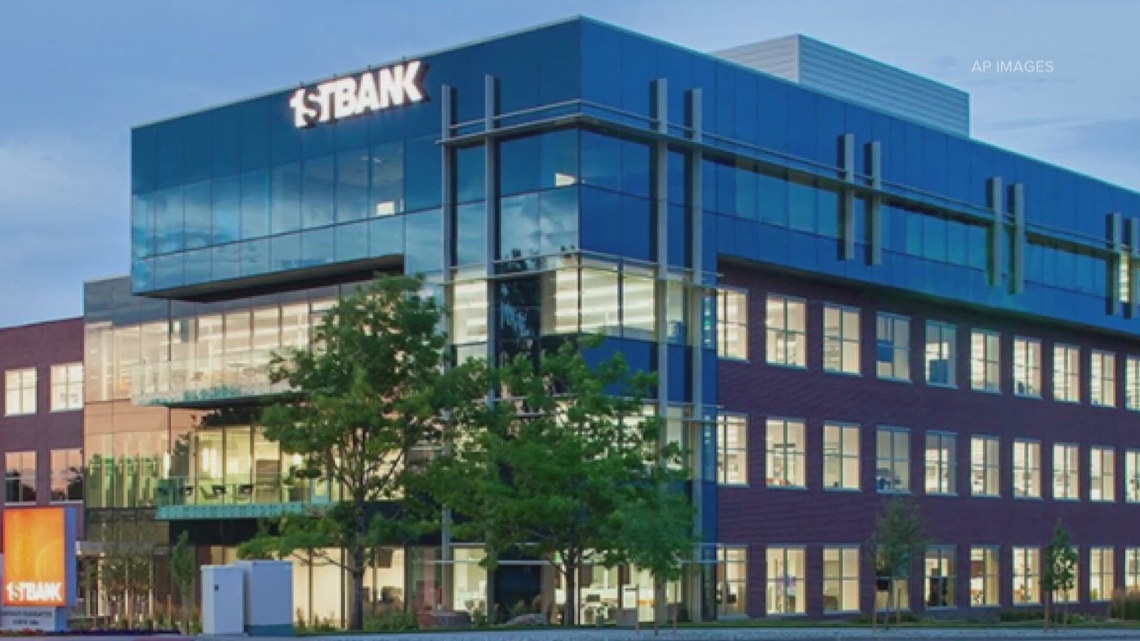
Colorado’s banking landscape is undergoing a major transformation following the acquisition of FirstBank — one of the state’s largest locally headquartered banks — by the national powerhouse PNC Bank. This move highlights a broader national trend where technology costs, compliance, and the need for scale are driving consolidation.
Aimee Love, Colorado State President for First Interstate Bank, joined the program to discuss what this shift means for consumers and small businesses.
While mega-mergers often promise broader technology platforms and products, they can also raise concerns about the loss of local decision-making and flexibility.
- The Trend: The U.S. banking sector is consolidating to manage rising cybersecurity and regulatory costs, making scale a competitive necessity.
- The Opportunity: As national banks expand, regional players like First Interstate Bank—which holds approximately 0.46% of the state’s deposit market share across ~19 locations—are doubling down on a “relationship-driven” model.
- The Tradeoff: For Colorado consumers, the choice is increasingly between the vast digital ecosystems of national banks and the personalized, human-judgment approach of community-oriented institutions.
“Banking is getting bigger, but relationships still drive trust,” Frazier said. “For small business owners especially, the question is whether their bank views them as a partner or just a credit score.”
Lakewood’s Zoning Crossroads: The April 7 Vote
In Lakewood, a debate over housing supply and neighborhood identity is heading to the ballot box. A special election set for April 7, 2026, will decide the fate of recently passed zoning reforms that replaced single-family-only zoning with broader residential categories, allowing for duplexes and triplexes in more areas.
Councilor Roger Low (Ward 3), a supporter of the reforms, joined the show to outline the “pro-change” perspective. Supporters argue the updates are essential to create “missing middle” housing—options between large single-family homes and large apartment complexes—to address the region’s affordability crisis.
However, the changes faced swift pushback. A citizen-led petition successfully gathered enough signatures to trigger a repeal vote, with opponents citing concerns over infrastructure strain, traffic, and the erosion of neighborhood character.
- The Core Tension: The vote pits the urgent need for housing inventory against the desire to preserve existing neighborhood structures.
- The Stakes: If the repeal succeeds, opponents argue it prevents over-densification without adequate infrastructure. If the reforms stand, proponents believe it creates a pathway for more attainable housing options for Lakewood’s workforce.
The Takeaway
Whether it is choosing where to deposit capital or deciding how neighborhoods should grow, Coloradans are facing complex decisions in 2026.
“From banking to zoning, the common thread is that ‘status quo’ is no longer an option,” Frazier said. “Consumers and voters are being asked to decide what kind of growth they want to see—and those decisions will define the state’s economic resilience for the decade ahead.”