
Q: If someone’s kidneys are failing, how do they decide between staying on dialysis or pursuing a kidney transplant?
–––
A: This is one of the most common and difficult questions patients with kidney failure ask. The honest answer is that there’s no single right choice. The best decision depends on a person’s health, lifestyle, support system and what matters most to them.
Dialysis and transplant both do the job the kidneys can no longer do, but in very different ways. Dialysis filters waste and excess fluid from the blood, either in a clinic several times a week or at home. It can be a reliable, life-sustaining option for many people, especially those who aren’t candidates for transplant or who are waiting for a donor.
A kidney transplant involves surgery to place a healthy kidney from a living or deceased donor. For many patients, a successful transplant offers more freedom, fewer food restrictions and better energy than long-term dialysis. That said, a transplant isn’t a cure. It requires lifelong medications to prevent rejection, regular follow-up and a strong commitment to ongoing care.
When we help patients think through this decision, we look at the whole person. Overall health, especially heart health, plays a big role. So does having a dependable support system, since recovery and long-term care after transplant can’t be done alone. Quality of life is often the biggest factor. Some patients prefer the predictability of dialysis, while others are willing to accept the risks of transplant for greater independence.
It’s also important to know this isn’t always an either-or choice. Many patients start dialysis while waiting for a transplant, and plans may change over time as health and circumstances change.
The most important thing is open, honest conversation with your health care team. When patients understand their options and feel heard, they’re better equipped to make a decision that fits their life and not just their diagnosis.
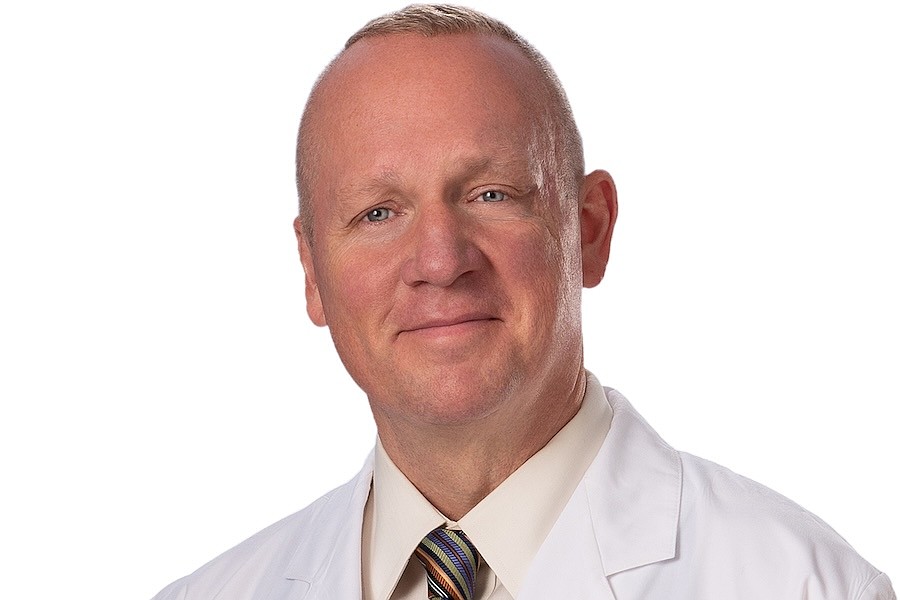
Dr. Alan Koffron is a transplant surgeon with University Surgical Associates, surgical director of the Erlanger Transplant Center, and a member of the Chattanooga-Hamilton County Medical Society.