
Below are the most-read DIGITIMES Asia stories of the first full week of 2026: January 5-11.
DRAM pricing surges as suppliers tighten control
Samsung Electronics and SK Hynix are rejecting long-term DRAM supply contracts and instead pushing quarterly agreements with steep price hikes of 60-70% for the first quarter of 2026, reflecting a market where demand continues to exceed supply. Buyers have made repeated attempts to secure multi-year deals, but memory makers are prioritizing capacity for AI-driven products such as HBM3E. With conventional DRAM also increasingly consumed by AI inference workloads, suppliers can dictate terms, and customers are accepting higher prices because of the lack of alternatives and limited capacity expansion.
Arizona is core to TSMC’s overseas expansion
Despite profitability challenges and operational setbacks at its Arizona fabs, TSMC is reportedly pressing ahead with aggressive US expansion plans that could ultimately see up to twelve fabs built at the site, alongside expanded advanced packaging capacity.
While projects in Japan and Germany face slower progress due to weaker demand and higher costs, Arizona has become the centerpiece of TSMC’s overseas strategy, driven by geopolitical pressures and customer demand from US-based AI leaders. With capital expenditures projected to climb through 2028, TSMC is betting that scale, price increases, and surging AI demand will eventually restore margins and sustain strong growth.
Kawasaki’s defense ban raises concerns
Japan’s Ministry of Defense has suspended Kawasaki Heavy Industries from bidding on defense contracts through March 2026 after uncovering decades-long falsification of submarine engine fuel efficiency data. The misconduct, spanning more than 30 submarines, adds to a series of governance scandals within Kawasaki’s defense unit. Although current submarine operations are deemed safe, the episode risks undermining trust in Japan’s defense exports just as the government considers easing weapons export restrictions. This could weaken Japan’s global competitive position, especially as South Korea seeks to expand its own naval exports.
TSMC 2nm leak case expands to Tokyo Electron
Taiwanese prosecutors have expanded their investigation into a major TSMC 2nm technology leak, indicting three additional individuals and Tokyo Electron (TEL) in light of new evidence. Authorities allege that a TSMC employee leaked advanced process data to a TEL engineer, while another TEL staff member attempted to destroy evidence. Investigators also uncovered unauthorized possession of sub-14nm trade secrets related to chemicals and equipment.
While TEL cooperated with the probe and faces a recommended fine, the case highlights heightened national security concerns around advanced semiconductor IP and stricter scrutiny of cross-border industry collaboration.
Debate over Nvidia Vera Rubin’s production
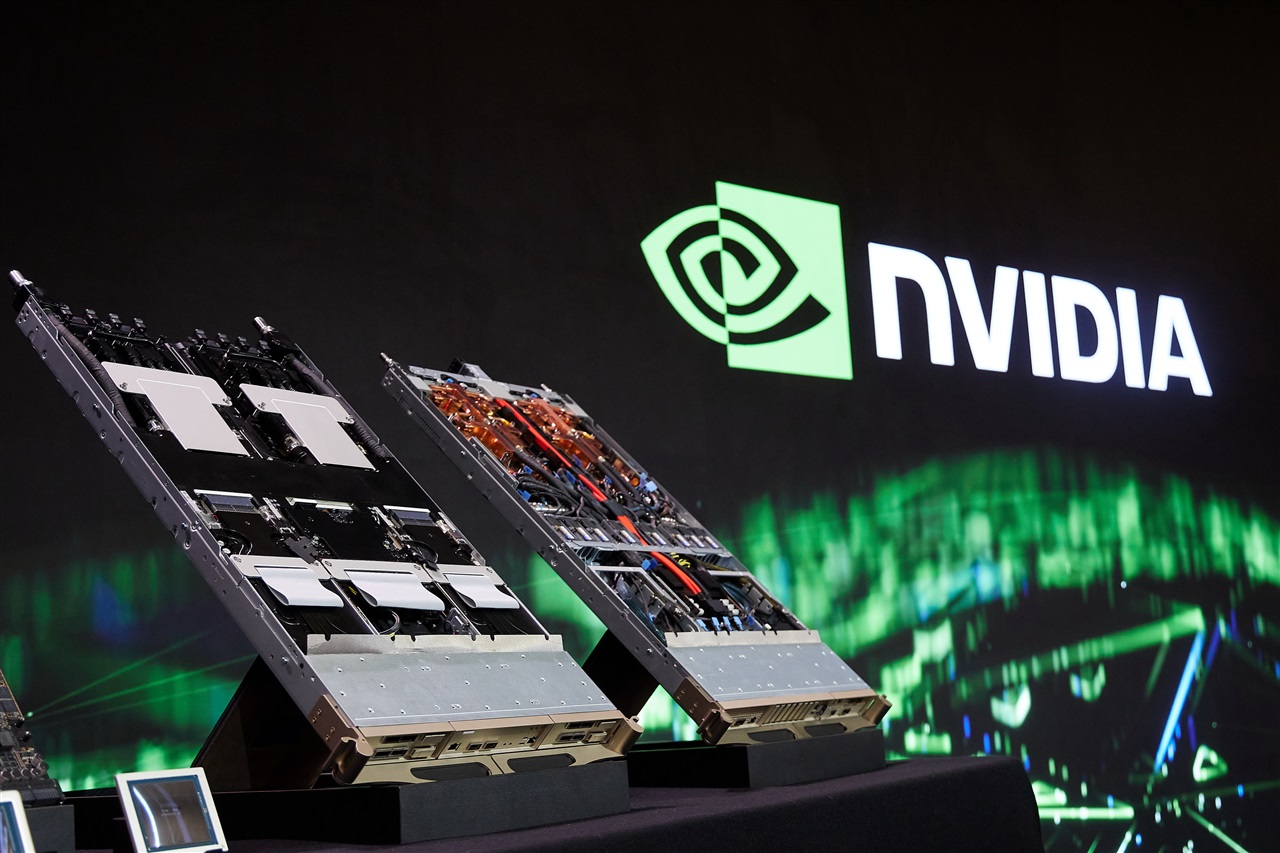
Nvidia’s claim that its next-generation Vera Rubin AI superchip has entered production has sparked debate across the semiconductor supply chain, particularly among Korean memory makers. While HBM4 samples from Samsung and SK Hynix have been delivered, the product remains in a validation and testing phase rather than full commercial production. Formal mass production is expected to align with a second-half 2026 launch. Nonetheless, Nvidia’s private CES 2026 discussions with Samsung and SK Hynix underscore intensifying competition around future HBM4 supply, which is expected to play a role in the AI accelerator market beyond 2026.
Apple secures NAND but faces DRAM cost pressure
Apple has reportedly locked in sufficient NAND flash supply through early 2026, ensuring production stability, but is confronting significant DRAM price increases as AI demand reshapes the memory market. Morgan Stanley expects Apple to secure DRAM only by accepting sequential price hikes exceeding 50%, highlighting the company’s exposure to global memory cycles despite its scale.
While Apple appears to have negotiated relatively modest wafer price increases with TSMC for its upcoming 2nm-based A20 chip, rising memory costs are becoming a larger driver of overall hardware inflation, potentially forcing Apple to balance margins against future pricing decisions.
Nvidia Vera Rubin supports Micron’s HBM4 capacity push
Nvidia’s confirmation that Vera Rubin has entered full production has accelerated competition in the HBM4 market, and Micron Technology has emerged as a strong contender to Samsung and SK Hynix. Micron plans to allocate roughly 30% of its HBM capacity to HBM4 in 2026, ramping output from the second quarter as yields improve faster than previous generations. Early supply is already contracted, and Micron claims performance exceeding baseline specifications, signaling confidence in its strategy. As HBM4 volumes scale, capacity itself is becoming a powerful weapon in the AI memory race.
Article edited by Jack Wu