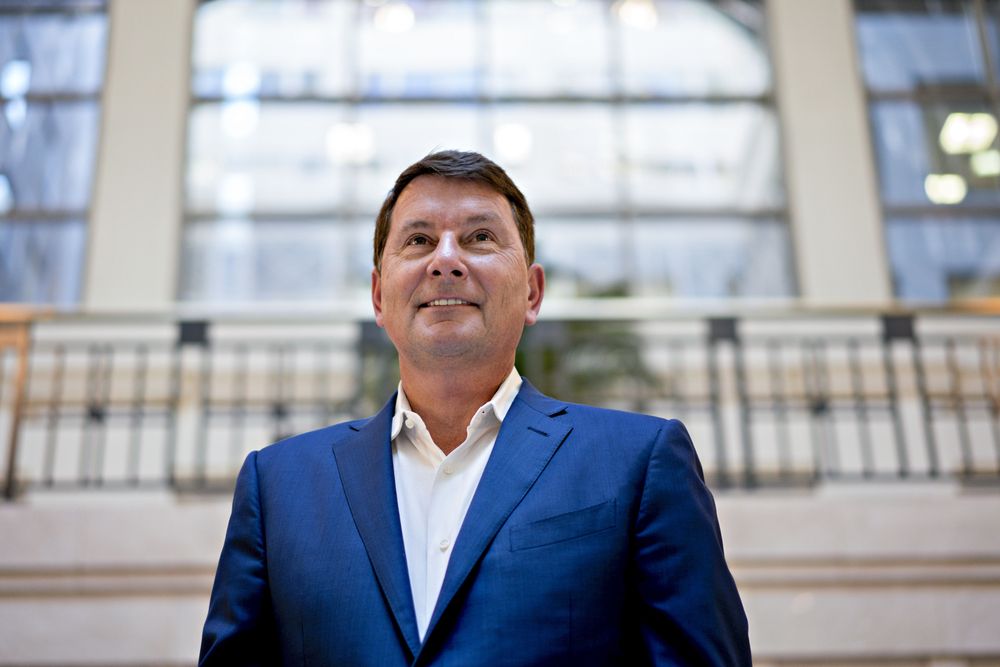
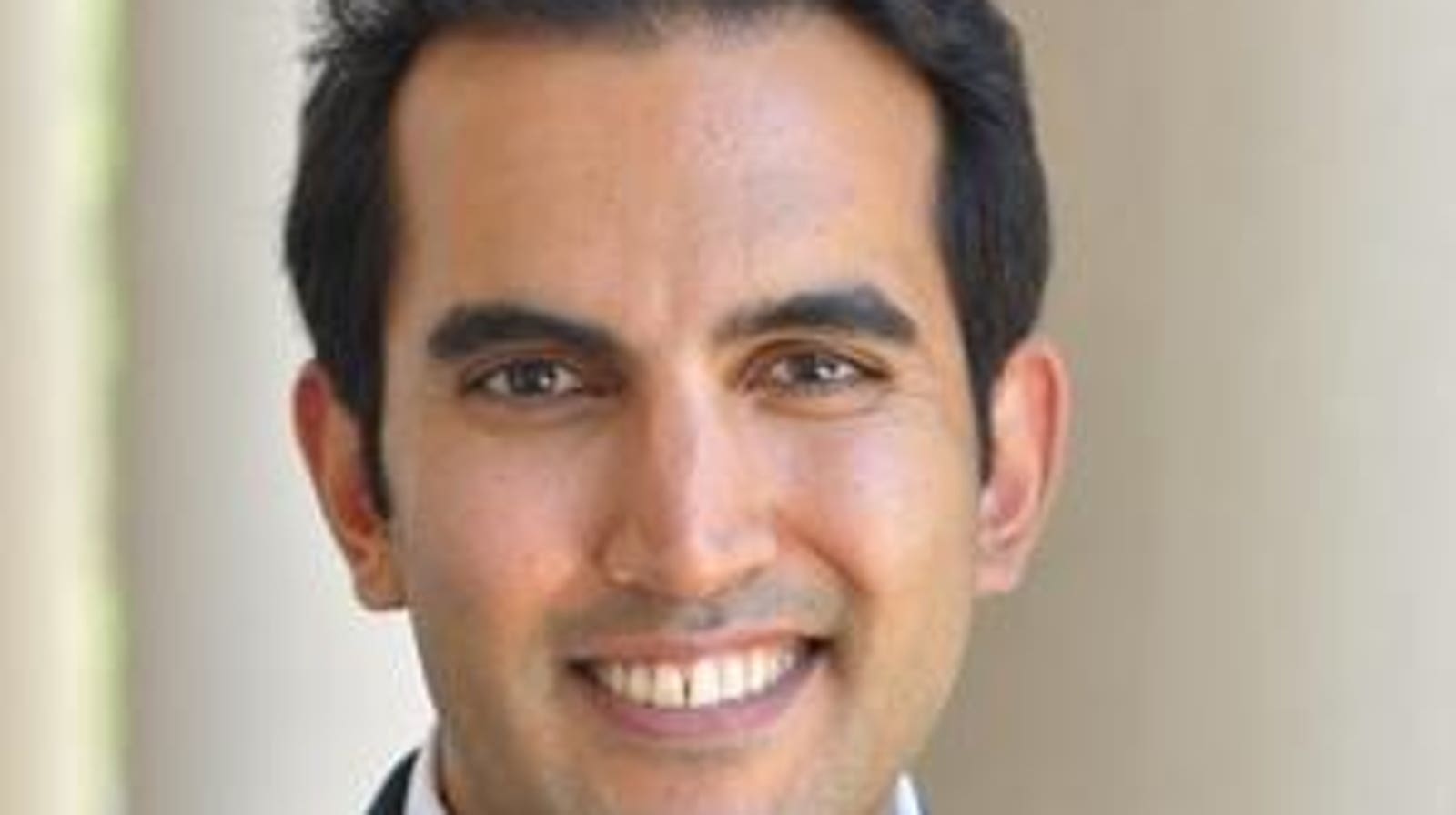
Puru Trivedi, Senior Vice President of External and Corporate Affairs, Meridian International Center
Meridian International Center
When one thinks of diplomacy, the old school of thought that comes to mind is a small group of officials from different governments working together. However, in the era of globalization, issues are impacting economies and markets across borders and oceans and relationships between countries have more influences and pressures than just the efforts of the foreign service. It is critical that leaders in all sectors are equipped to navigate this world.
For 65 years, Meridian International Center has prepared generation upon generation for the next era of diplomacy. The nonpartisan partner to the U.S. Department of State works with individuals that include business executives, scientists, governors, mayors, artists, and athletes to give them the insights and resources they need to address challenges that no single government can solve on its own.
I recently had the opportunity to speak with Puru Trivedi, Meridian’s Senior Vice President of External and Corporate Affairs, on the organization’s recent 10-year blueprint for the future, its evolution since 1960, and efforts to partner with the public and private sector. Below is our conversation, edited for clarity.
Rhett Buttle: You recently released a 10-year blueprint for the future. What areas of focus are in that plan and what major trends do you see continuing at the global level over the next few years?
Puru Trivedi: This year marks Meridian International Center’s 65th year of advancing American global leadership and diplomacy. Our new 10-year strategic plan lays out a vision of diplomacy tailored to today’s fractured, fast-moving world.
At its core is Open Diplomacy, a model inspired by open-source innovation that brings together business executives, scientists, artists, governors, and civil society leaders alongside traditional diplomats. The goal is to develop solutions by expanding who participates in diplomatic processes.
Our strategy is anchored in three pillars: 1) Geopolitical Resilience: Preparing leaders across sectors to navigate volatility with foresight and adaptability, 2) U.S. Competitiveness: Driving innovation, sustainable growth, and global market engagement to strengthen America’s role in the world, and 3) Alliances and Partnerships: Building creative cross-sector partnerships to tackle shared global challenges.
Looking ahead, several forces will define the next decade: shifting geopolitical alignments, rapid advances in AI and digital technologies, and the blurring of public and private responsibilities in global problem-solving. Diplomacy will become more transactional, with nations balancing regional, bilateral, and multilateral priorities simultaneously. But multilateralism isn’t disappearing—it’s evolving. Businesses, cities, and civil society will play an increasingly central role in creating the predictability and stability the global economy depends on.
Rhett Buttle: Can you tell me about Meridian’s history as a longstanding convenor on the international stage and your work at this particular moment?
Puru Trivedi: Since 1960, Meridian has been a nonpartisan hub for international collaboration. We’ve welcomed leaders from more than 180 countries—heads of state, CEOs, artists, innovators—all convening at our Washington, D.C. campus to exchange ideas and forge connections.
That convening role feels even more essential today. Through initiatives like the Meridian Center for Corporate Diplomacy, we help bridge the worlds of business and diplomacy. Programs such as the Corporate Diplomacy Global Leaders Program and our Meridian Corporate Council Working Groups equip business leaders with geopolitical insight, cross-cultural understanding, and the negotiation skills needed to operate effectively on the global stage.
What we provide is an on-ramp: spaces where leaders can engage with diplomats and policymakers, gain networks, and access the insights that make them more effective participants in international problem-solving.
Rhett Buttle: Meridian Center was formed 65 years ago with the purpose of establishing a hub for diplomacy. The world has changed dramatically since 1960. How, if at all, has Meridian changed?
Puru Trivedi: When Meridian began, diplomacy was largely defined by Cold War divides and cultural exchanges in Washington. Today, diplomacy is multipolar, digital, and driven by a far wider cast of actors. We’ve evolved accordingly, creating centers focused on Corporate Diplomacy, Culture and Sports, State and Local Diplomacy, and Tech, Innovation, and Space.
Our work now includes immersive training, international delegations, curated convenings, and tailored cross-sector partnerships. The principle is simple: diplomacy is no longer the sole domain of diplomats. To address today’s disruptions, we need broader coalitions and new approaches. Meridian stands at that frontier, helping leaders build systems resilient enough for the shocks of this century.
Rhett Buttle: As you know, this column focuses on where the public and private sector meet. In what ways do events at the global level impact U.S. businesses, both large and small?
Puru Trivedi: Global shocks are never theoretical. They hit balance sheets and supply chains directly. Trade disputes can undo years of planning overnight. Regulatory shifts—whether Europe’s digital and AI rules or Asia’s export controls—redefine compliance obligations across industries.
But disruption also creates opportunity. Companies that build geopolitical awareness and diplomatic capacity can identify emerging markets, shape policy discussions, and strengthen resilience through global partnerships. Businesses that understand diplomacy don’t just survive volatility—they can turn it into competitive advantage.
Rhett Buttle: How are you partnering with the private and public sector to create spaces for dialogue and ways can others who are interested get involved?
Puru Trivedi: Diplomacy is most effective when it’s collaborative. Meridian creates structured spaces where leaders can engage meaningfully, not just symbolically. The challenges we face require more than government solutions. They need companies, innovators, and civic leaders involved in the process.
Our Meridian Corporate Council connects business executives with diplomats through Working Groups and both large-scale forums and smaller, focused discussions designed to generate actionable insights. We also channel insights from these convenings into policy processes, ensuring business perspectives reach decision-makers.
Our flagship Meridian Summit, next taking place on October 24, 2025, will bring together business, diplomatic, and policy leaders to explore how innovation, growth, and influence intersect in a rapidly shifting landscape.