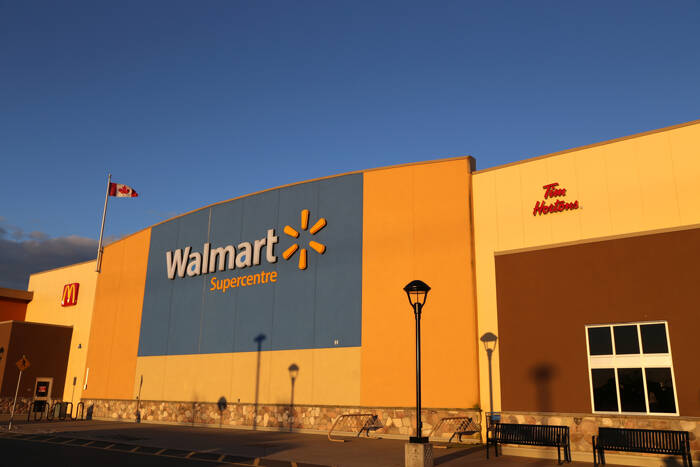
However, it’s worth noting that most e-commerce profitability currently comes from U.S. operations. Walmart’s international e-commerce segment continues to operate at a loss, though investments in infrastructure—including more than 300 micro-fulfillment centers in India capable of delivering items in under 15 minutes—suggest management is playing a long game in emerging markets.
The Cost Pressure Reality Check
Despite the revenue strength, Walmart’s Q2 results revealed growing margin pressure. Operating income declined 8.2% year over year, falling to $7.3 billion from $7.9 billion. More concerning for investors, adjusted earnings per share of $0.68 missed analyst estimates—the first such miss since May 2022.
Management attributed the earnings shortfall to rising costs tied to tariffs and selective price increases that weren’t sufficient to offset margin compression. This dynamic illustrates the tightrope Walmart must walk: maintaining its value positioning to drive traffic while absorbing cost inflation that threatens profitability.
The company did raise its full-year outlook, now projecting net sales growth between 3.75% and 4.75% with EPS guidance of $2.52 to $2.62. This vote of confidence suggests management believes it can navigate the cost pressures while sustaining momentum.
6 Things to Watch in Walmart’s Q3 Earnings
As Walmart prepares to report fiscal third-quarter results, analysts are forecasting EPS of $0.60 on revenue of $175.14 billion. Several key factors will determine how investors react:
- E-Commerce Momentum: Can Walmart maintain the 25%+ growth trajectory, or was Q2 an anomaly? Sequential growth acceleration from Q1 to Q2 was encouraging, but sustainability is crucial. Investors should watch for commentary on order volumes, delivery speeds, and customer acquisition trends across income cohorts.
- Margin Management: The critical question is whether Walmart can continue absorbing tariff-driven cost inflation without sacrificing either market share or profitability. Look for updates on net delivery costs, advertising margin contribution, and the company’s pricing strategy. Any indication that price increases are dampening traffic would be a red flag.
- Market Share Dynamics: Walmart has been gaining share across key categories and income levels. Traders should focus on comparable store sales trends, transaction counts, and units per basket to assess whether the value proposition remains compelling as consumers face their own budget pressures.
- International Profitability Path: While U.S. e-commerce has turned profitable, international operations remain in investment mode. Updates on the trajectory toward profitability in key markets like China, Mexico, and India will be important for long-term growth prospects.
- General Merchandise Recovery: Q2 saw a return to low single-digit positive comps in general merchandise after prolonged weakness. Whether this trend continues—particularly in discretionary categories like fashion and home goods—will signal broader consumer health beyond essential grocery and health items.
- Advertising and Marketplace Growth: These high-margin businesses are becoming increasingly important to overall profitability. Expect scrutiny on advertising growth rates and third-party marketplace expansion, as these revenue streams help offset the structural margin pressure in retail.
The Broader Retail Implications
Walmart’s ability to maintain traffic growth while managing cost inflation makes it a bellwether for the entire retail sector’s resilience. The company’s success in attracting higher-income shoppers suggests consumers across the spectrum are trading down to value options—a trend that could persist even as inflation moderates.
The e-commerce profitability milestone also validates the multi-billion-dollar investments Walmart has made in digital infrastructure over the past decade. By leveraging its store base for fulfillment and building adjacent businesses in advertising and marketplace services, Walmart has created a sustainable model that doesn’t rely on razor-thin retail margins alone.
As Thursday’s earnings release approaches, the tension between robust revenue growth and margin pressure will be front and center. Walmart has proven it can drive top-line results through e-commerce innovation and market share gains. The question now is whether it can translate that growth into consistent earnings momentum in a relatively high-cost, high-rate environment.
WMT Shares: Walmart’s Technical Outlook
For traders and investors alike, Walmart’s earnings will shape expectations not just for the company, but for the broader retail landscape heading into the critical holiday quarter. The results come at a key moment for the stock. After rallying more than 13% year-to-date, Walmart shares have recently lost momentum and now trade at a decisive level relative to the Ichimoku cloud.