What’s going on here?
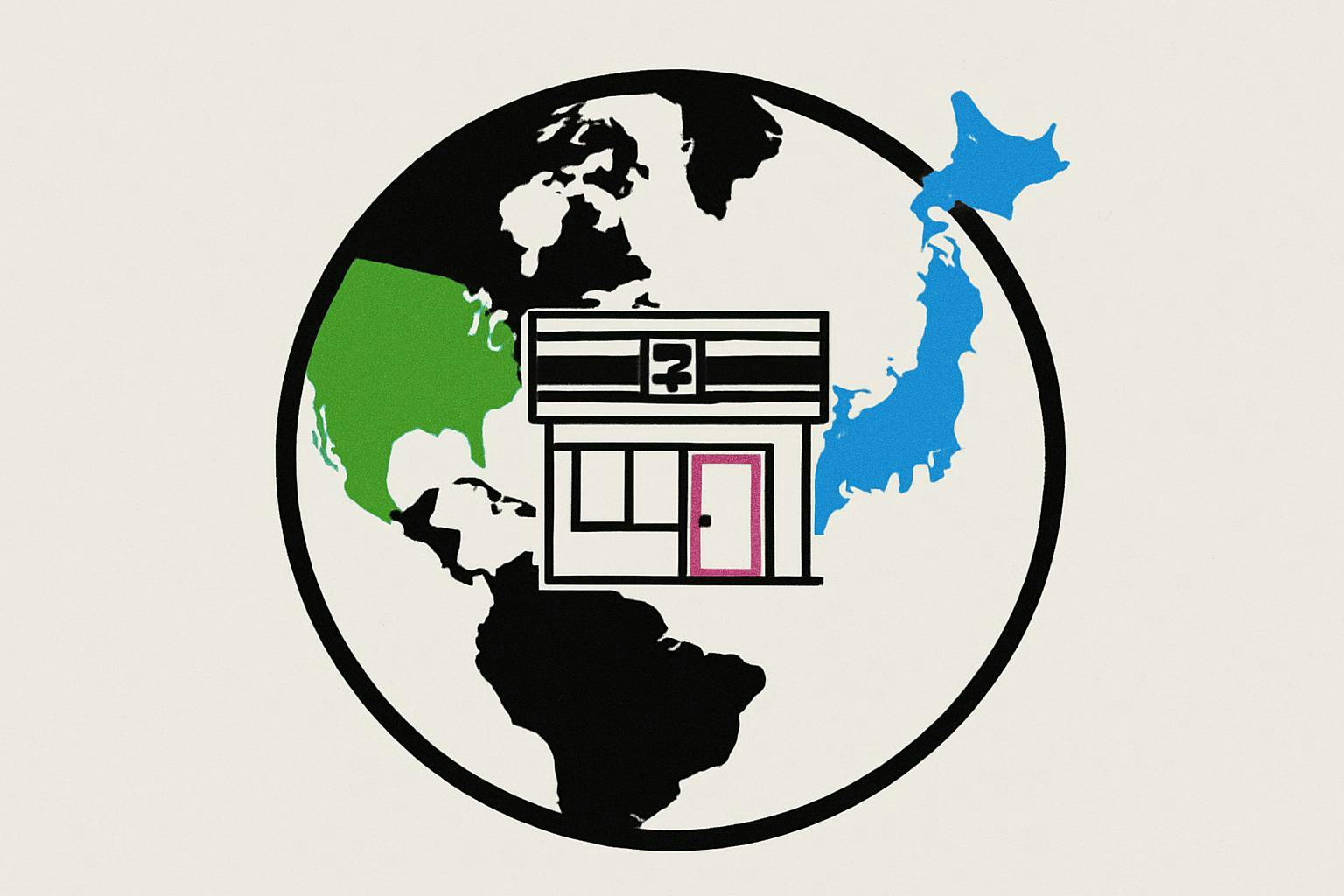
Seven & i, the Japanese owner of 7-Eleven, is shifting gears—amping up global expansion, launching a major buyback, and planning a North American IPO after shelving its massive $46 billion deal earlier this year.
What does this mean?
After calling off its Alimentation Couche-Tard buyout, Seven & i is signaling confidence in its own playbook—focusing on organic growth and strategic partnerships instead of big-ticket acquisitions. The company’s aiming to take its North American convenience store arm public by late 2026, a move designed to unlock value and let global comparisons shine. Back home, a hefty 2 trillion yen (roughly $13 billion) buyback plan is meant to win over investors whether or not the IPO happens. Still, shares have slid about 20% this year, so management’s under the microscope. The strategy also stretches into Europe, where Seven & i already operates 365 stores in Scandinavia and has its sights on further international expansion, including fast-growing regions like the Middle East, Africa, and Latin America.
Why should I care?
For markets: Expansion plans put value in the spotlight.
Seven & i’s bold strategy comes as investors look for clear signs of growth after the scrapped Couche-Tard deal. A record buyback could cushion the 20% dip in shares by channeling cash back to shareholders, and a North American IPO might shine a light on hidden value and set new benchmarks for global retail. But while pushes into Europe and emerging markets hold potential for long-term revenue, investors should keep an eye out for the risks that come with unfamiliar territory and shifting regional dynamics.
The bigger picture: Global ambitions could redefine convenience retail.
Seven & i’s moves reflect a bigger trend of Japanese firms seeking growth overseas as domestic opportunities slow. By making Europe its fourth growth engine alongside Japan, North America, and Asia-Pacific, the company’s eyeing a spot among the world’s retail heavyweights. Aggressive buybacks and an international IPO show a willingness to use every tool to create value, but the real test will be how well they adapt and innovate in a fast-changing, hyper-competitive sector.