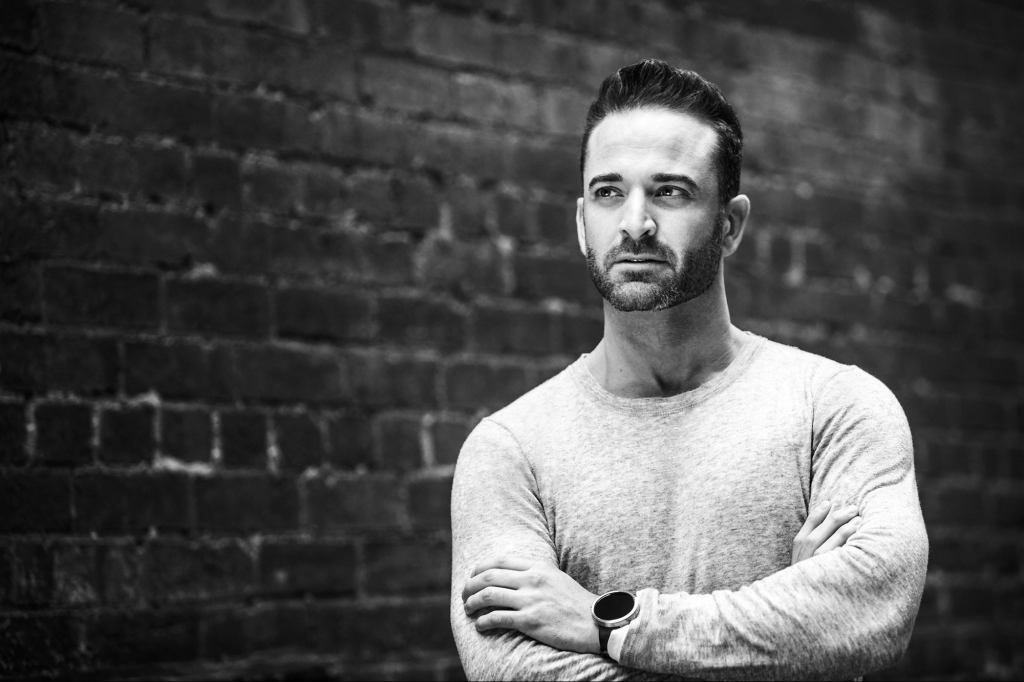
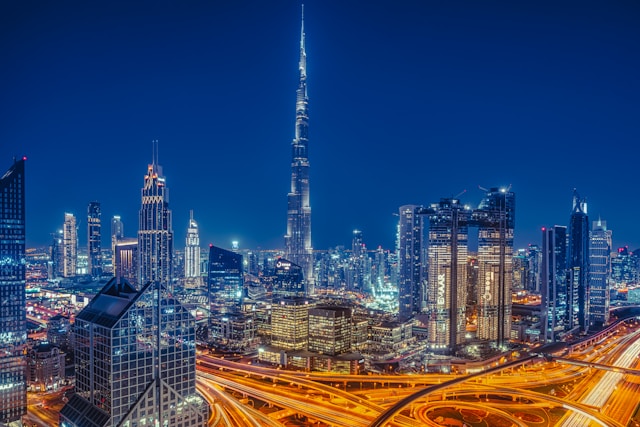
Mohamed Alabbar, the billionaire mastermind behind Dubai Mall and the Burj Khalifa, is reshaping the global business landscape with an ambitious expansion that stretches far beyond the UAE. Known for his role in building modern Dubai, Alabbar is now focusing on international markets, investing heavily in countries like Egypt, Serbia, and Madagascar. In an exclusive interview with Financial Times, Alabbar shared his vision of creating a one-billion-person economy by strategically investing in underdeveloped markets often overlooked by Western investors.
Alabbar’s investment firm, Eagle Hills, is behind several multi-billion-dollar projects, from Egypt’s luxurious Marassi resort to waterfront developments in Belgrade and Tbilisi. These ventures, while providing high-end residential options, have drawn criticism for being elitist, particularly in countries like Egypt, where Marassi has been dubbed a “copy and paste” of Dubai’s opulence. Critics argue these projects cater to the rich while leaving the majority of the population behind. However, Alabbar counters these critiques by emphasizing the jobs, tax revenue, and long-term economic benefits his developments bring to local communities.
As he expands his empire, Alabbar also plays a key role in other industries, from co-owning the region’s largest fast food chain, Americana, to launching the Middle East’s largest e-commerce platform, Noon, which competes directly with Amazon. His investments are not just confined to real estate; Alabbar chairs the digital bank Zand and is heavily involved in the tech sector, with aspirations to bring innovations like autonomous vehicles to the region.
Despite his success, Alabbar’s leadership style is known for being demanding and hands-on, earning him both respect and criticism. His “megalomaniacal” approach to business has been described by some as both a strength and a weakness, as he pushes his teams to deliver projects with unprecedented speed. Yet, his track record of rapid project completion and his ability to maintain credibility even after the global financial crisis have made him a formidable force in the business world.
In a region where business and politics are often intertwined, Alabbar’s proximity to power is unparalleled. A trusted lieutenant to Dubai’s ruler Sheikh Mohammed bin Rashid al-Maktoum, Alabbar has close ties with the UAE’s royal families and often accompanies the country’s leaders on international missions. His network and influence have allowed him to secure high-profile projects and investments, furthering his goal of positioning the UAE as a global economic power.
In his pursuit of global growth, Alabbar’s mission is clear: he aims to create opportunities for emerging markets while making a profit. “We never behave like that,” he says, in response to accusations that the UAE’s soft power is driving its foreign investments. For Alabbar, the goal is simple—build, innovate, and help communities thrive, while securing a profitable future for himself and his ventures.
As he continues to expand his reach, Alabbar remains restless, ever-focused on the next big project. From luxury resorts in Madagascar to potential developments in Montenegro, his ambitions show no signs of slowing down. For Mohamed Alabbar, the world is his canvas, and he’s just getting started.