A federal ban aimed to wipe out intoxicating hemp, or “gas station weed,” may also kill a multibillion dollar CBD wellness market, producers warn, dealing a devastating blow to a beleaguered Massachusetts industry.
Though hemp is a lesser known cannabis crop than marijuana, it’s a big business. Legalized federally in 2018, it is used in products including paper, textiles, and auto parts. Low in the psychoactive chemical THC, hemp is rich in CBD, a different compounded touted for anti-inflammatory and sleep benefits. In addition to hemp’s industrial use, the industry has made the CBD it contains into topical products and extracts used by millions as an alternative to painkillers and pharmaceutical drugs.
Combined, these products are worth about $47 billion across the US, according to cannabis researcher Whitney Economics. But some manufacturers have imperiled this business by using a legal loophole to replicate the psychoactive effects of marijuana in hemp.
High-potency, hemp-derived products have proliferated in recent years at gas stations and convenience stores without regulation or age restrictions, raising alarms among regulators and public health advocates.
While Massachusetts banned these synthetic compounds in 2022, federal restrictions slated to take effect in November attempt to take things a step further. Passed in a bill that reopened the government last fall, the new ban would drop THC allowances to virtually zero for hemp-derived products.
But many non-intoxicating CBD products will get swept up in the ban because of trace THC content, businesses say. The regulations would effectively “outlaw the naturally occurring form of the hemp plant,“ for its latent compounds, too, said Dr. Dustin Sulak, a Falmouth, Maine-based physician and founder of CBD company Healer.
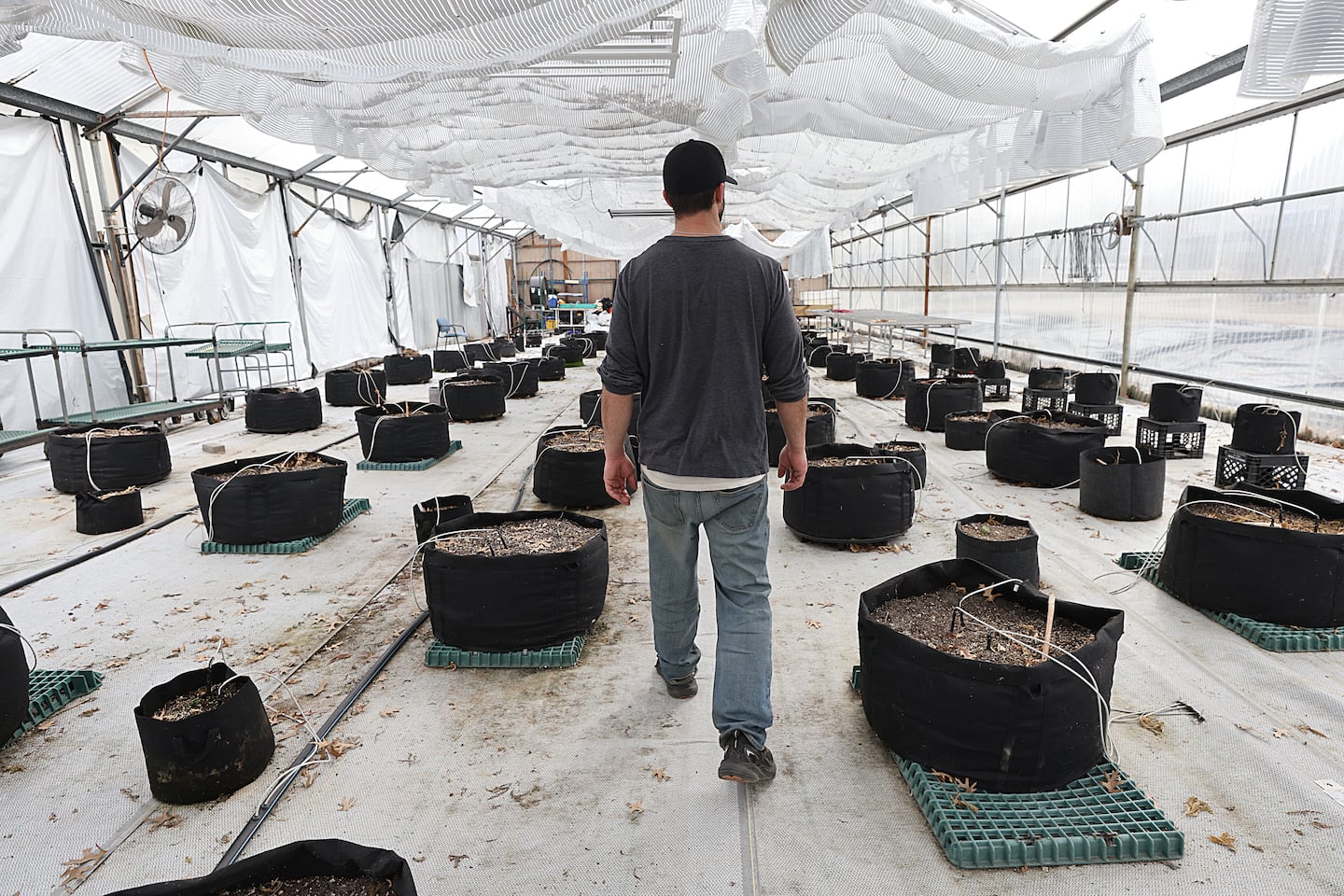
“It just feels like they’re trying to put us all in this one small little box,” said Kevin McGovern, a 39-year-old hemp farmer from Dunstable. He was the first farmer to legally harvest hemp in Massachusetts in 2018, but said he is hesitant to start replanting in the coming weeks at his Westborough greenhouse and on his family’s dairy farm, where he has routinely devoted an acre to hemp.
Many questions remain about how the government will enforce the new regulations, with hemp lobbyists continuing to rally — thus far unfruitfully — to delay the ban. Massachusetts already bans food and drinks made with hemp-derived THC and CBD outside of dispensaries. Local health officials tapped for enforcement have struggled due to sparse resources, said Cheryl Sbarra, executive director of the Massachusetts Association of Health Boards, but crackdowns have ramped up in the past year, she added.
Businesses interviewed for this article said their products are compliant with current federal and state laws and are not meant to be intoxicating.
Still, fear and uncertainty about the federal ban has taken its toll. A third of hemp product manufacturers and processors plan to shift away from hemp or shutter their operations entirely this year, according to survey data collected by Beau Whitney, chief economist at Whitney Economics. About half of nationwide hemp farmers who planted last year will also not replant this upcoming season, despite hemp grown for cannabinoid uses yielding better revenues per acre than soy or corn in 2024, Whitney added.
Some CBD retailers, including Amy Counts of Roslindale, have also decided to liquidate their inventory.
“Because we keep a lot of the whole plant in our oil … we will not be able to continue with producing our products,” said Counts, who faces the “heartbreaking,” decision to unwind her CBD oils business, Amy’s Own, after six years.
Ninety percent of the CBD products McGovern makes from his crop yield would also be illegal under the new rules and must be reformulated, he said.
“I did this in the first place to make a quality product that’s organically grown, natively grown, locally grown, and they want to take all that away from us,” McGovern added.
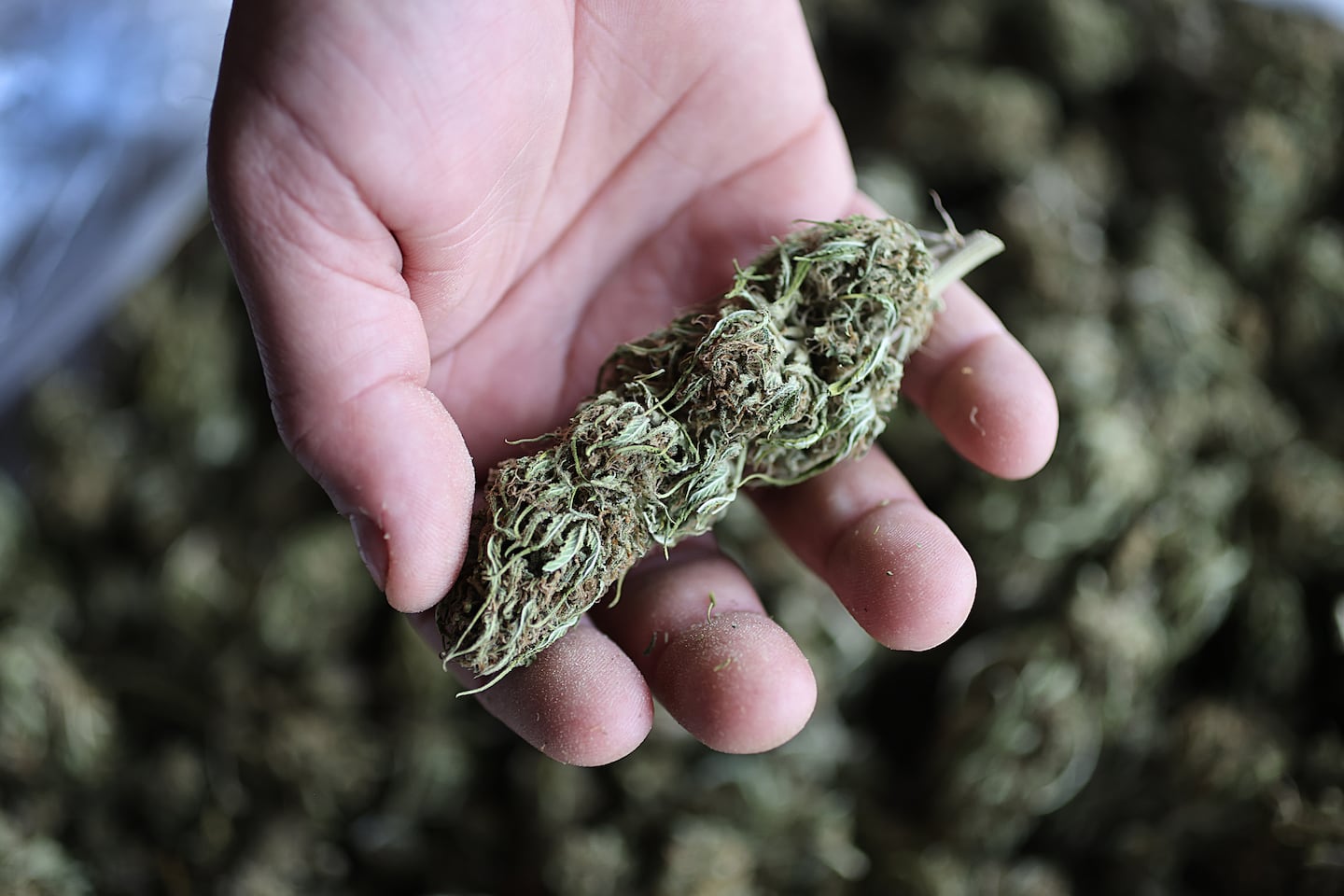
An industry shakeup could also reach marijuana sellers, who source compounds from hemp farmers for sleep edibles and other products. Industrial hemp farming, still the lion’s share of hemp growth in the nation, is likely to see less investment too, Whitney said.
The updated standards would cap all THC content at less than half a milligram per container for final products and 0.3 percent or less for hemp products during production.
Attempts by companies to comply by removing THC content from plant extracts will be “extremely difficult,” requiring lab work likely to degrade products and “pharmaceuticalize the hemp industry,” said Dr. Riley Kirk, a Maine pharmaceutical scientist and founder of cannabis research nonprofit Network of Applied Pharmacognosy.
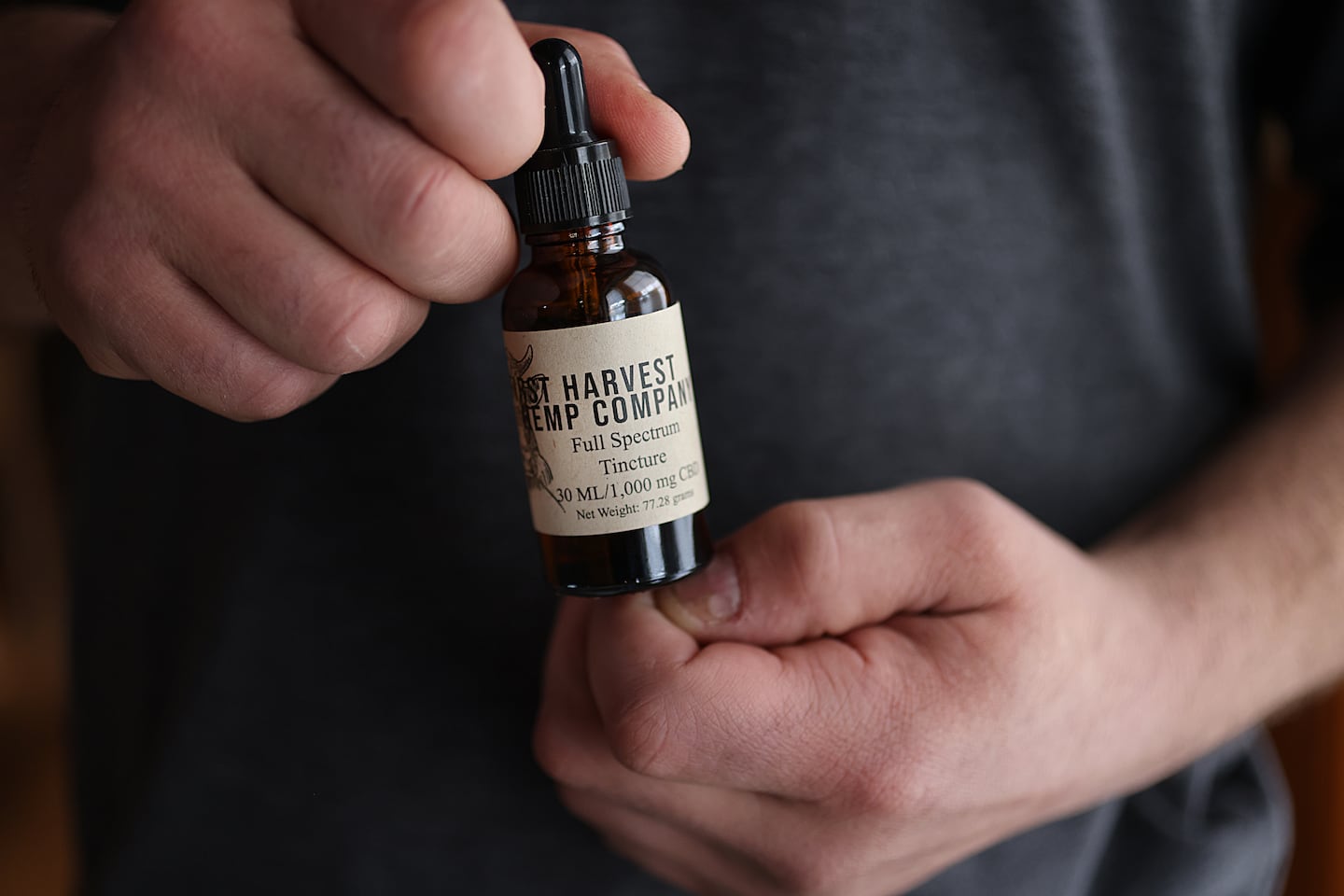
It’s not an attractive prospect to the many customers who use hemp products. Nor for businesses, whose flagship products are “full-spectrum,” formulations, which include all parts of the cannabis plant including THC.
THC traces in CBD oils and tinctures don’t cause impairment but “significantly contribute to … therapeutic effects,” Sulak said. Getting rid of them to target intoxicating hemp is like “throwing out the baby with the bathwater,” he added.
For some, losing access to these remedies would disrupt sleep and cause minor annoyances, but for others who deal with dementia and seizures, not having hemp products can mean the difference between living at home and entering a facility, or turning to “more dangerous treatments,” Sulak said.
Justin Stevenson, a 24-year-old East Bridgewater resident, transitioned to full-spectrum CBD products after he started to develop an opioid dependency following a car accident in high school.
“It’s more of a natural remedy. There’s minimal risk with that,” he said, calling the ban “unfair,” and “uninformed.”
Vickie Gadles, a 73-year-old Pembroke resident who uses hemp-derived CBD daily to help with residual pain and other symptoms from a previous battle with lung cancer said she will be “very stuck,” if the ban takes effect.
Her son, Brandon Gadles, runs Boston Hemp Inc., a Hanover-based ecommerce hemp retailer where Stevenson also shops. Boston Hemp now faces extinction.
“It would completely eradicate the entire industry the way they have it worded now,” Brandon Gadles said. Kevin Coyle, co-owner of the business added that while “bad actors” exist in the hemp space, many retailers do their best to self-regulate through age verification, selling to 21 plus customers only, and ensuring rigorous product testing, though none of this is mandated under current law.
Additionally, no license is needed to sell hemp derivatives in Massachusetts, though the Commonwealth remains more regulated than other states, around half of which allow retail sale of hemp-derived THC beverages outside dispensaries.
Laura Beohner, cofounder of The Healing Rose, a Newburyport organic CBD and hemp company, said she can adjust her products to be federally compliant, but the greater concern is a lack of supply with farmers pulling out of hemp.
“It’s really the ripple effect,” she said. “We’re talking to farmers who are … not sure if [they’re] going to plant this year.” Her products are sold in retail stores in roughly 20 states, including Massachusetts and New York where they are also stocked at over 150 dispensaries.
Already, the Massachusetts hemp industry is “a decimated program,” since regulations “locked out,” businesses from the nationwide boom in THC beverages which saw more than $1 billion in sales in 2024, Beohner said.
At its peak in 2019, there were 122 licensed hemp growers and processors in the state, according to the Massachusetts Department of Agriculture. In March, only 17 companies remained — a staggering 86 percent decrease. Still, in 2023, hemp accounted for roughly 2,800 jobs in the Commonwealth and over $232 million in wages, according to Whitney Economics, whose data projections estimated the state’s total potential market for hemp-derived products would have approached close to $1 billion in 2025 if beverage bans had not been implemented.
Steve Reilly, director of government relations for multistate cannabis company INSA, hopes the federal ban will energize intoxicating hemp crackdowns in Massachusetts, where he said they have been lacking.
“Once they clarify this, then there’s really no excuse for them not to enforce,” he said.
Bryan Hecht can be reached at bryan.hecht@globe.com. Follow him on Instagram @bhechtjournalism.