
New York
In the early hours of March 7, two thieves smashed through a vinyl-lined window at a store in Graham, Washington. Alarms blared as they filled up several large bins with stolen goods. In less than two minutes, they made off with nearly $10,000 worth of merchandise.
The target: Pokémon cards.
This wasn’t the first time owner Andrew Engelbeck’s shop, Next Level the Gamers Den, was robbed for the collectible playing cards. It’s happened multiple times, and the thieves have never been caught.
“We went a good three years when we first opened without any issues,” said Engelbeck, who opened his shop in 2018. “But then as the collectibles market went crazy, it definitely got worse.”
Since the pandemic, the market for Pokémon cards has exploded and with it, a surge of worldwide robberies. This year alone, collectible shops from Las Vegas and New York City to those in Vancouver, Canada, and Nottingham, England, have all been hit, totaling over $500,000 in stolen cards.
“Targeting card stores for these (Pokémon) cards is kind of popping up. It’s a concern when we start to see a trend in something like this,” said Paul Walker, a police sergeant in Abbotsford, British Columbia.
He’s investigating a card shop robbery in March that resulted in $25,000 in stolen Pokémon cards and an estimated $10,000 in property damage. The thieves are still at large. Walker said crime analysts are looking at marketplaces where the cards might be sold.
The value of Pokémon cards, which has more than doubled over the past year, makes them an attractive target. But it’s their compact nature that makes them a lucrative heist with relatively low effort.
“The robbers can take a handful of cards, which can represent thousands or tens of thousands of dollars, and literally fit it right in their pocket,” said Nick Jarman, CEO of the Certified Trading Card Association. “The resale is extremely fast. It’s high liquidity.”
Victims aren’t limited to just collectible shops. In February, a Pokémon content creator who goes by PokeDean uploaded a YouTube video showing his home in disarray.
After a few days away, he had arrived home to empty shelves. Boxes and drawers from every room had been pulled out and turned over. His laptop and gaming consoles were left untouched, he noted.
The only items he said were stolen were his most expensive Pokémon cards.
“Do your utmost to keep (your Pokemon cards) protected and safe, because of how popular Pokemon is at the moment,” he told viewers in the video. “There are nasty people out there that want to do this sort of stuff.”
The recent rise in theft could be related to the leadup to Pokémon’s 30th anniversary in February.
Pokémon was first developed by Tajiri Satoshi in Japan, inspired by his childhood hobby of bug collecting. The first video games were released in 1996, with the trading card game debuting that same year. The cards made it to the United States nearly three years later.
Since then, the franchise’s flagship trading cards have only risen in value. The value of Pokémon cards has risen by more than 145% over the past year, with buyers spending $450 million this January alone, according to data from trading card analytics website Card Ladder. In February, influencer and wrestler Logan Paul sold one card for a record $16.5 million.

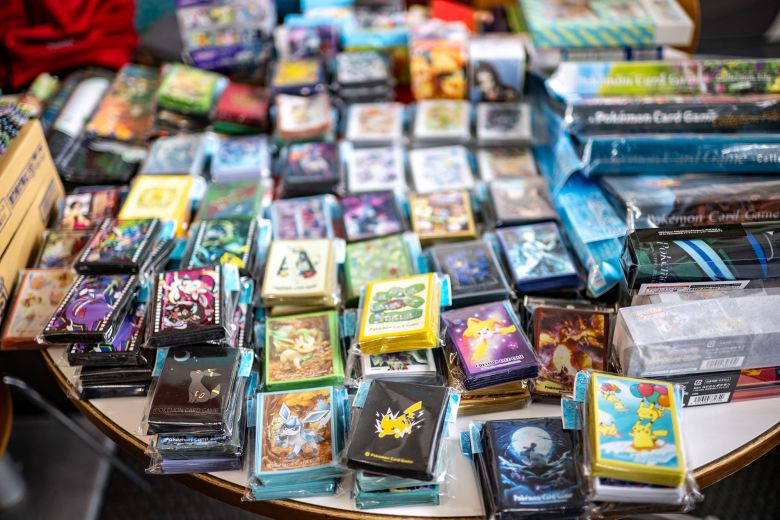
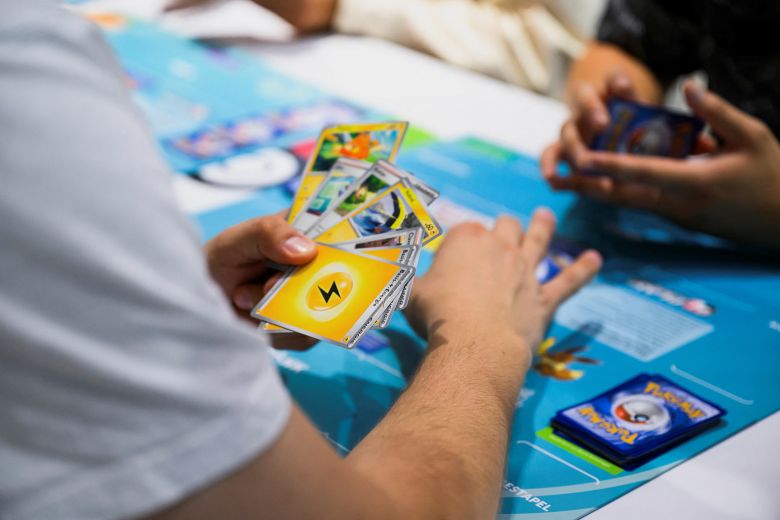

That celebrity influence and Pokémon’s global audience have ensured the franchise’s longevity and explosion of value, according to collectible experts. Nostalgia paired with contemporary popularity has kept Pokémon culturally relevant to the point of becoming the highest-grossing media franchise of all time.
“It’s a multi-generational demand,” said Jarman. “It’s not only kids, but it’s the adults that also grew up with it, so the demand just keeps refreshing instead of aging out.”
Pokémon’s cards have outpaced sports cards and beat the S&P stock market by 3,000% in the past 20 years, the CEO of trading card marketplace Goldin told CNN in December.
“As someone who’s been interacting with the trading card side for over a decade, I’ve known that you can just buy a Pokémon product, sit on it, and you’ll have green numbers,” collector Greg Smith told CNN.
Smith has seen the effects of the Pokémon boom firsthand. He bought six booster boxes, or display cases that include 36 packs of cards, of a set called “Evolving Skies” for $900 in 2021. Today, just one of those sealed boxes is valued up to $2,500.
Big money and jail time
Stealing high-value Pokémon cards can have a fast and big payoff, but the crime can also carry a hefty sentence. In many states, stealing items worth more than $1,000 in value is considered a felony. Many Pokémon card heists exceed that.
For example, Keith Wallis was arrested last month in Tallahassee, Florida, for 75 thefts of Pokémon cards at various Targets from July 2025 to February 2026. He faces up to 90 years in prison on charges of felony retail theft, dealing stolen property and money laundering.
Wallis would put trading cards in taco seasoning packets and then only pay for the packets, according to Florida attorney general James Uthmeier. Wallis later resold the Pokémon cards on eBay.
But catching thieves is rare. Stolen cards are nearly impossible to trace because they have no serial numbers, Jarman said.
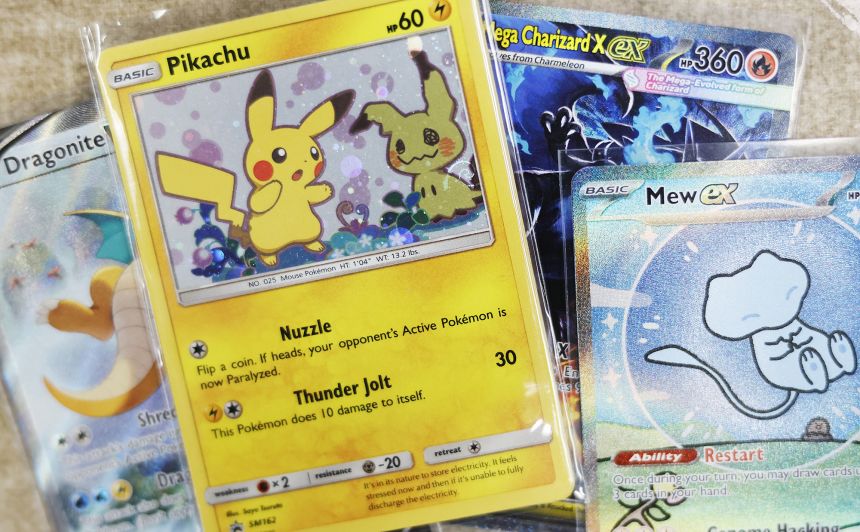
Engelbeck estimates that someone tries to break into his shop in Washington state once a quarter. Taking matters into his own hands, he’s implemented security measures to deter potential thieves.
He’s lined the commercial complex with his own security cameras as well as installed sirens and strobe lights that flash red and blue to mimic police lights.
“I’ve scared off multiple people” with the security measures, Engelbeck said.
Small businesses at the heart of this crime spree not only have to deal with property damage and loss of merchandise, but the thefts have also affected their insurance coverage.
The rise of crimes targeting Pokémon cards has made insurance companies less likely to ensure card shops, small business owners told CNN. Engelbeck said he could only find one company willing to ensure his shop’s merchandise.
“Thefts are really hitting small businesses,” Engelbeck said. “It’s hitting actual people. It’s not a victimless crime in any way.”