As Oakland lurched through financial crises over the last few years, it failed to do something that could have cushioned the city’s budget: collect a significant amount of the business taxes it was owed, according to a new audit by the city auditor.
City Auditor Michael Houston published a report Thursday describing how Oakland’s Revenue Bureau, the city department responsible for collecting taxes, “reduced or ceased multiple activities that led to reductions in the revenues that could have been collected” between 2021 and 2024.
During this period, the city failed to refer delinquent business tax accounts to other divisions for collecting in a timely or consistent manner, the audit found. The firm Sjoberg Evashenk Consulting was contracted by the auditor to conduct the review.
It’s unclear how much money was left on the table. Data limitations prevented auditors from determining the total amount of revenue lost by the city. The auditors also couldn’t determine the amount of money deemed uncollectable due to the statute of limitations — the legally allowed time the city has to follow up. But in a given year, the city could expect to refer between $9 and $12 million to collections and liens, according to the report.
The reduction in collections corresponded with an organizational shift in late 2022, when the city’s tax compliance division began reporting directly to the revenue and tax administrator.
“In order to deliver essential services our community needs and deserves, the City of Oakland must bring in revenue to keep up with its expenses,” City Auditor Michael Houston said in a statement. “Given our ongoing budget constraints, the city needs to secure every dollar it can. I am glad this audit identified ways the city can bring in revenue that it is owed and desperately needs.”
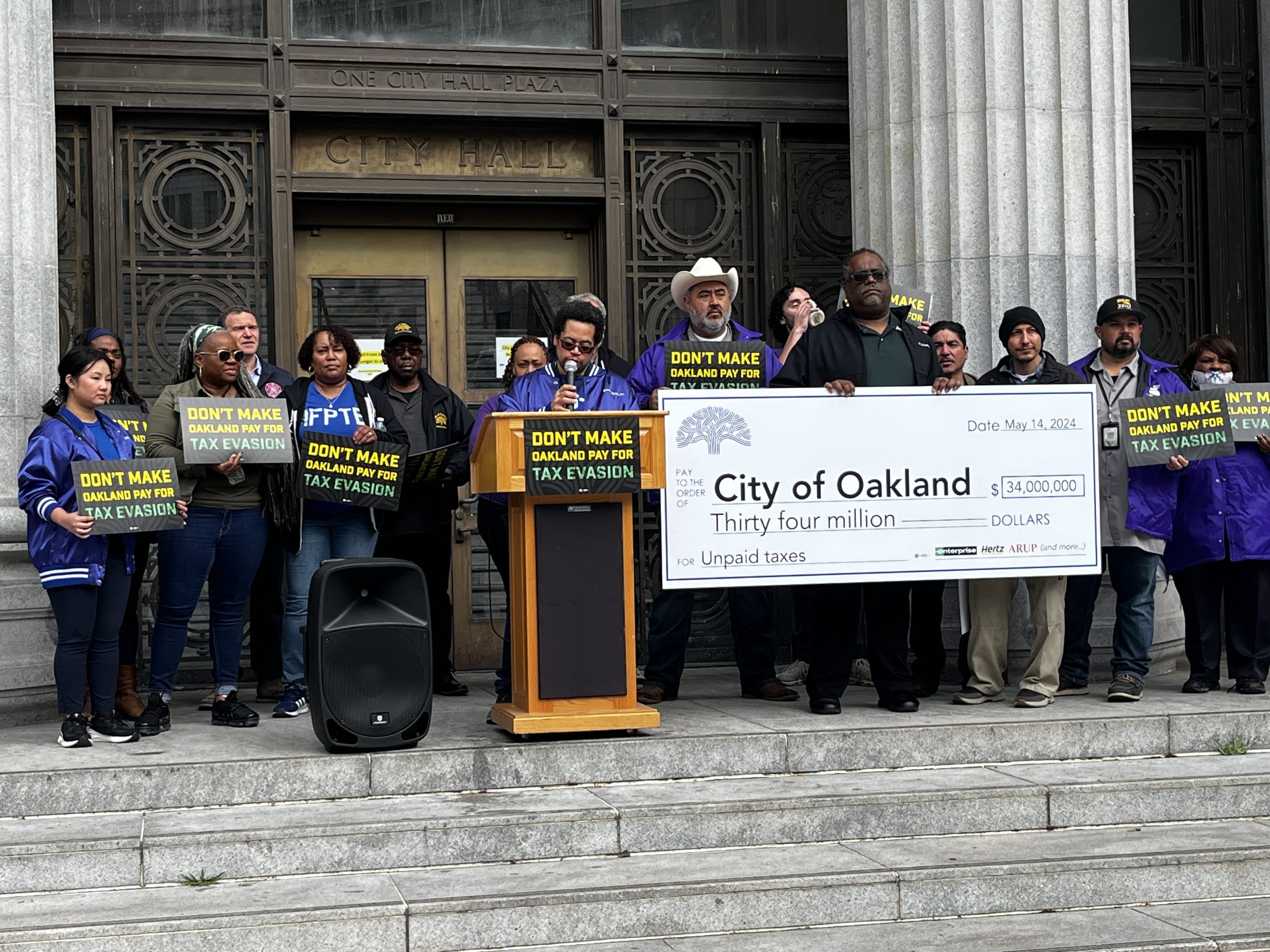
Oakland leaders called for the audit after learning in 2024 that thousands of businesses had failed to pay taxes for several years. According to one report, as much as $34 million had not been collected, although staff emphasized that the exact amount of money was difficult to estimate. Staff also blamed the ransomware attack in 2023 for delaying the process for notifying businesses about delinquent taxes.
The revelation that Oakland wasn’t collecting millions of dollars in tax revenue during a massive budget crisis sparked outrage from Oakland councilmembers as well as the city’s unions. Some staff in the revenue unit sent a petition to then-Mayor Sheng Thao that accused revenue and tax administrator, Sherry Denham-Jackson, of mismanaging their office.
Not long after these disclosures, the city sacked Denham-Jackson. The former revenue chief later filed a legal claim against the city for wrongful termination. She followed that claim with a lawsuit that is currently pending in Alameda County Superior Court.
How the revenue collection process broke down
Oakland voters approved a progressive business tax in 2022, which was expected to bring in more revenue for the city. But the audit found that in the following years Oakland did a haphazard job collecting money.
This problem partly stemmed from the city’s revenue bureau not having an effective process for collecting money from businesses that were late in paying their taxes. The bureau had an enforcement unit for getting that money, but “it failed to execute the program as designed or in an effective manner,” the auditor found.
For example, the bureau is supposed to maintain an updated record of which accounts have not paid their taxes. If a business doesn’t pay its taxes or close its account by March 1, the business is supposed to be marked “delinquent.” Between 2021 and 2024, the revenue bureau took longer and longer to mark accounts as delinquent, which slowed down the collection process.
In late 2022, the tax compliance division began reporting directly to the revenue and tax administrator. After this shift, there was a sharp decline in the volume and frequency of delinquent business accounts being referred to collections and liens. According to the audit, as of June 2024, some delinquencies from 2020 still hadn’t been processed.
The new report also documented how the bureau’s disorganized efforts to refer accounts for collection created more confusion. The vast majority of accounts forwarded to collections from the compliance unit in 2024 “had not been researched, contact attempts were not made, no notes were attached, and did not include supporting documentation.” This forced the city’s collections division to handle some of the steps normally taken by the tax compliance division for approximately 1,000 delinquent accounts from the batch they received in 2024.
Auditors also noted that the longer accounts were marked delinquent without being notified, the longer penalties and interest accrued, which made it more difficult for them to come into compliance. This was especially true if a business wasn’t paying taxes because it was struggling financially.
It’s normal practice for cities to search for and contact unregistered businesses to get them in the tax system. But auditors found that the bureau stopped these efforts in 2023. These practices were only restarted starting in the fall of 2025. In reviewing the bureau’s system, auditors discovered that some businesses had been flagged as unregistered and owed multiple years of business license taxes. A handful of cases included businesses that had been in operation for over 30 years.
The auditor found that communication between the bureau’s divisions broke down during this period.
“Members of Bureau leadership stated that they did not know what was happening in the Tax Compliance Division,” the report stated. “Regular meetings with the Tax Administrator all but ceased.”
This had serious implications for processing delinquent accounts, which must be processed by multiple units to reach collections.
The audit appears to have already spurred changes
According to the new audit, Oakland’s tax compliance division was dissolved while the audit was ongoing. The division’s resources were reallocated to other parts of the revenue bureau. The report also notes that the bureau has plans to upgrade its business tax tracking software to more accurately show amounts owed to Oakland at any given time.
Oakland’s auditor has issued several recommendations to improve the bureau’s performance.
These include:
- Developing better processes for identifying and referring delinquent business accounts for enforcement action
- Reinstituting the process for discovering unregistered businesses.
The City Administration “generally agreed” with the report’s findings and recommendations, according to the auditor. A written response is forthcoming.