Gasgoo Munich- Since March, a wave of Chinese automakers has launched fresh offensives across Latin America. Changan Automobile’s joint venture plant in Brazil began operations; XPENG unveiled a three-year strategy for the region with Mexico as its beachhead; and BYD and Great Wall Motor (GWM) accelerated local production and R&D. This flurry of activity has significantly quickened the competitive pace in the region.
The strategy mirrors the earlier push into Southeast Asia, particularly Thailand. When market potential, favorable policies, and industrial windows align, automakers rush in, creating a wave of concentrated expansion. Following Thailand, Chinese automakers are now fiercely competing in Latin America—a region long dominated by European, American, and Japanese giants.
From pure export to local manufacturing, from generic models to tailored R&D, from reliance on dealers to building proprietary ecosystems—this Chinese offensive differs fundamentally from previous forays.
Accelerating Localization
Entering 2026, Chinese automakers are moving into a substantive phase of expansion and implementation in Latin America. The most visible shift is the succession of local production bases coming online.
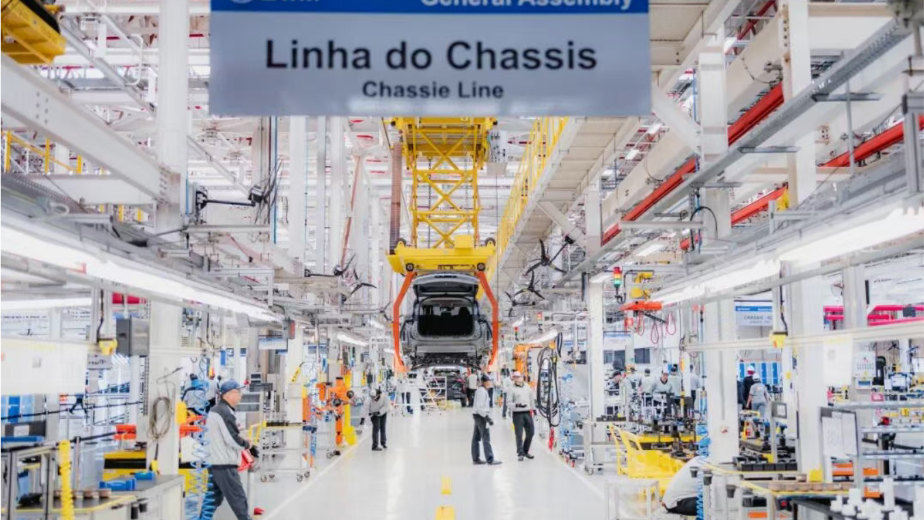
On March 26, the joint venture factory between Changan and Brazil’s CAOA Group officially commenced production. The initial phase covers three models, including the UNI-T, offering internal combustion, hybrid, and plug-in hybrid powertrains. All are equipped with flexible-fuel engines capable of adapting to varying ethanol-gasoline blends.
This technology choice is tailored to Brazil’s realities. As one of the world’s largest consumers of ethanol fuel, Brazil requires flexible-fuel engines as a critical prerequisite for market entry.
Meanwhile, BYD’s passenger vehicle plant in Brazil continues to ramp up capacity. Stella Li, BYD’s executive vice president, recently revealed that the Brazilian facility has secured export orders for 50,000 units each from Argentina and Mexico. Simultaneously, the company plans to build an R&D center in Rio de Janeiro with an investment of approximately $56.9 million, slated for operation in 2028.
Image Source: Great Wall Motor
Other automakers are advancing their own Latin American strategies. Geely is partnering with Renault to localize new energy technology platforms in Brazil. XPENG, using Mexico as a starting point, is building sales, service, and logistics networks alongside its market entry, including pre-positioning spare parts warehouses to ensure rapid after-sales response.
Reports also suggest that BYD and Geely have participated in the bidding for a Nissan-Mercedes-Benz plant in Mexico, signaling an aggressive scramble for manufacturing resources.
The acceleration in localization is driven by direct policy incentives. Brazil has been gradually raising import tariffs on new energy vehicles since 2024, with rates expected to hit 35% by July 2026. Mexico, starting January 2026, will impose tariffs of up to 50% on vehicles from countries without free trade agreements, including China. This makes local manufacturing essential for some Chinese brands to maintain price competitiveness.
A deeper driver lies in the market’s inherent appeal. Brazil is Latin America’s largest auto market, with stable annual sales exceeding 2 million units; local production there also allows exports to neighbors like Argentina, Uruguay, and Paraguay. Mexico, leveraging its strategic location connecting North and Central America and the USMCA trade agreement, allows vehicles produced there to enter the U.S. and Canadian markets duty-free.
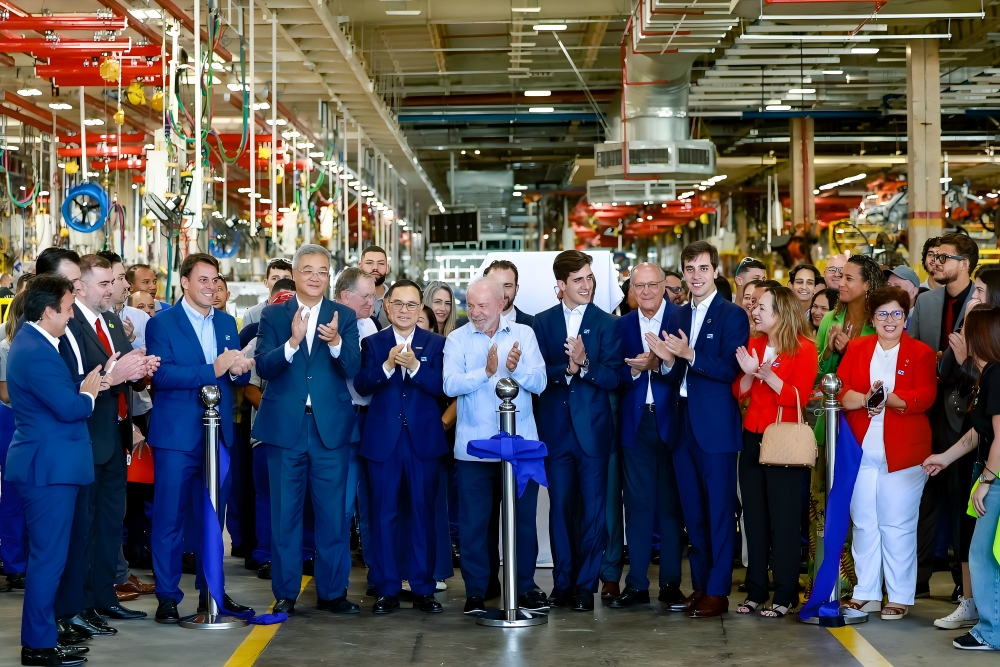
Image Source: AVATR
Yet the overall penetration rate of new energy vehicles in Latin America remains below 5%, far behind China’s 50%, leaving immense room for growth.
Zhang Hong, a member of the Expert Committee of the China Automobile Dealers Association, notes that Chinese automakers’ global expansion is shifting from trade-driven to system-driven growth. Localization capabilities will directly determine sustainable development overseas. “Beyond local production, companies must build systemic capabilities in supply chain, talent development, and localized management teams, while simultaneously solving full-chain issues like logistics, finance, after-sales service, and brand promotion.”
A representative from Great Wall Motor emphasized that true localization doesn’t happen overnight. Citing their own 12-year history in Latin America—from exporting vehicles to commissioning factories—they noted that this time accumulation creates a barrier difficult for latecomers to replicate quickly. “Localization isn’t just about investing in factories; it’s about building product barriers across all powertrain routes, respecting local biofuel foundations and usage scenarios, and sticking to the principle of providing what users actually need.”
Gaining Serious Traction
Behind this accelerated localization lies the considerable market share Chinese automakers have already accumulated in key Latin American markets. Some brands are shifting from “emerging players” to “mainstream forces.”
Export data confirms Latin America as a major growth engine for Chinese automotive exports. According to the CPCA, China exported 625,000 vehicles to Mexico in 2025—an increase of 180,000 units—surpassing Russia to become the top export destination for the first time. Exports to Brazil reached 322,000 units, with new energy passenger vehicles accounting for approximately 200,000, showing particularly strong momentum.
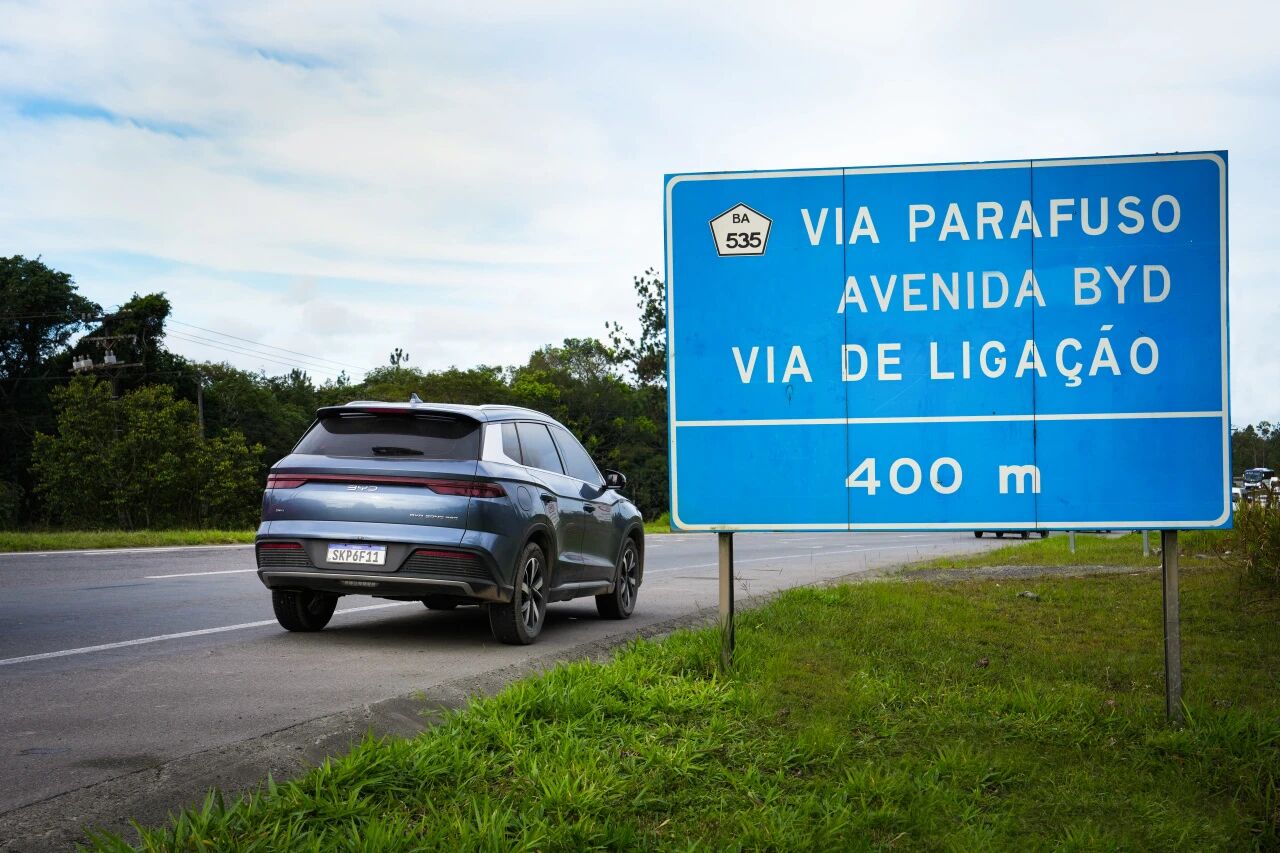
Image Source: BYD
On a brand level, statistics from Brazil’s automotive dealers federation show that BYD rose to become the country’s fourth-largest automaker by sales in 2025, maintaining a lead in the electric vehicle sector. In February 2026, the BYD Dolphin Mini topped Brazil’s monthly retail sales chart with over 4,000 units sold—the first time a Chinese brand has achieved this milestone.
In Mexico, MG sold over 6,100 units in January 2026, a 54.2% year-on-year increase, jumping to seventh place in the market—the only Chinese brand in the top ten. Geely (including ZEEKR) ranked twelfth with a surge of 245.3%, while Changan saw sales jump 77.3%. BYD accounted for roughly 70% of local pure electric and plug-in hybrid sales.
In Chile, Chinese automakers have firmly secured the top spot. In February 2026, Chinese brands sold nearly 8,000 units, up 23.6% year-on-year, capturing a 35% market share and leading Japanese brands by nine percentage points. In the light vehicle segment, Chinese automakers’ share reached 51.6%, securing a majority of the market.
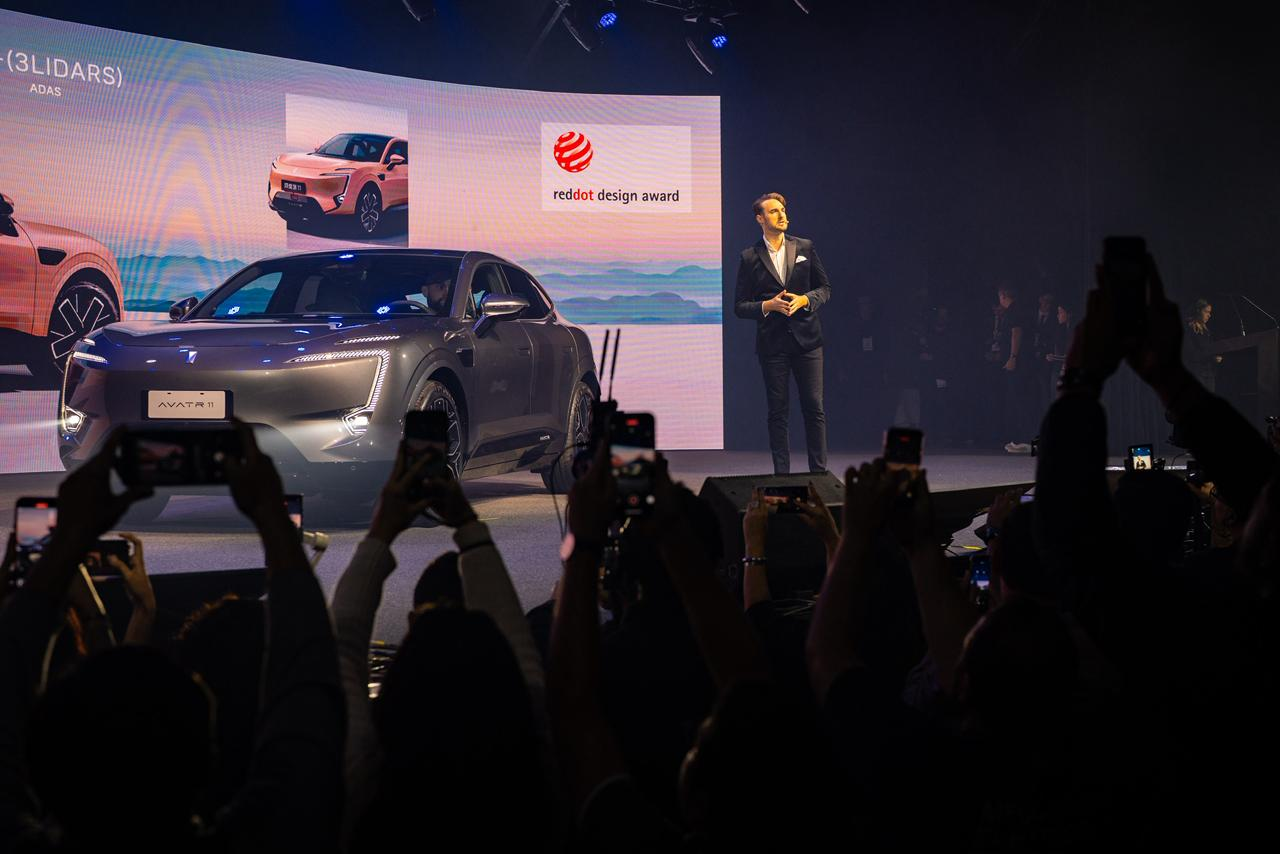
Image Source: AVATR
Notably, performance diverges significantly by country: In major markets like Brazil, Chinese automakers are expanding influence through scale and product diversity; in hub markets like Mexico, growth relies more on channel expansion and product launches; in markets like Chile and Colombia, new energy products often serve as the entry point.
This differentiation stems from varying market sizes, consumer habits, and infrastructure, as well as local policies and competitive landscapes. The complexity and diversity of the Latin American market mean Chinese automakers cannot cover the entire region with a single strategy—a reality this round of expansion must deeply address.
Entering a New Phase
While success is sprouting in multiple locations, the underlying logic of Chinese automakers’ development in Latin America is undergoing a profound shift. The core difference from the initial phase is clear: companies are no longer just selling cars; they are pivoting toward “long-term operation.”
In terms of continuity, Chinese automakers still rely on value-for-money and rapid product launches to open markets, with dealer networks remaining a crucial initial channel. However, compared to the previous stage, this expansion has seen significant changes in three dimensions: product strategy, channel ecosystems, and R&D investment.
Regarding product strategy, the past focus on exporting generic internal combustion models with cost advantages has shifted toward deep localization adaptation and technology prioritization.
Take BYD: addressing Brazil’s widespread use of ethanol fuel, it assembled a joint Sino-Brazilian R&D team of over 100 people. Spending two years, they developed a plug-in hybrid system adaptable to any gasoline-ethanol blend, with the first flexible-fuel PHEV model launching this year. Changan’s production models also feature flexible-fuel engines, deeply integrated with Brazil’s local energy ecosystem.
In Mexico, XPENG is highlighting the G6 and G9 models, featuring 800V high-voltage silicon carbide platforms and 5C ultra-fast charging to meet local demand for range, charging efficiency, and intelligence. This “customized” R&D around local scenarios is a capability absent in the previous phase.
In channel and ecosystem construction, whereas automakers previously relied on local dealers for trade cooperation with weak brand control, they now prefer building a full industrial chain layout of “product + charging + service.”
For instance, BYD partnered with local operators in Brazil to launch the country’s largest public charging network. XPENG, before officially entering Mexico, had already built spare parts warehouses and partnered with top local dealers to establish sales and service networks, ensuring rapid after-sales response.
Zhang Hong summarizes the core differences of this expansion as four shifts: from exporting generic standard models to localized customization; from prioritizing internal combustion engines to prioritizing new energy; from relying on dealers to building proprietary channels and ecosystems; and from single vehicle sales to full-industry-chain localization.
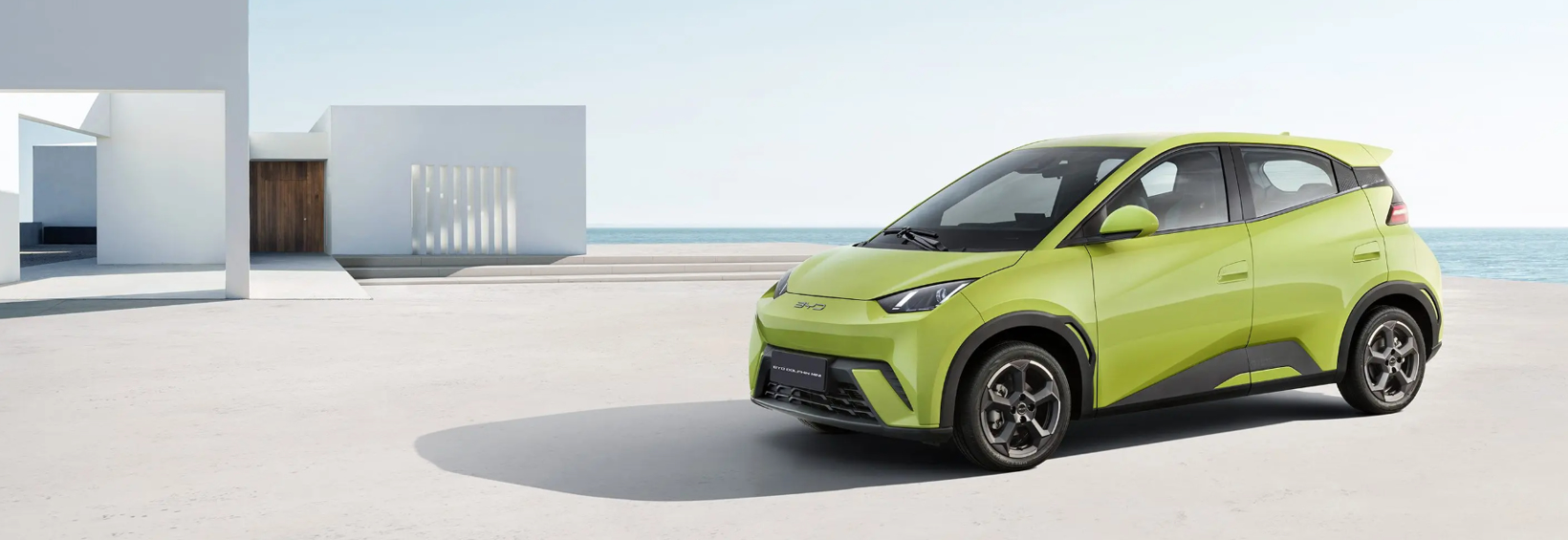
Image Source: BYD
Against this backdrop, are the experiences in Brazil and Mexico replicable? Zhang Hong believes that while experience in local production, supply chains, technology adaptation, and brand and channel expansion is somewhat replicable, significant differences in infrastructure, consumer habits, market structure, and policy environments across Mexico, Chile, and Colombia prevent simple copy-pastes; adjustments must be made to local conditions.
Great Wall Motor’s path offers a reference. As an automaker with over a decade of presence in Latin America, GWM has completed the evolution from exporting to acquiring and transforming factories, and finally to full-industry-chain localization. A GWM representative noted that by connecting vehicles, technology, services, and partners into a network, the company is building an ecological barrier that latecomers will find hard to cross in the short term, thereby deeply integrating into the local market.
In other words, the window of opportunity in Latin America remains, but first-mover advantages are already appearing. The catch-up cost for latecomers will be significantly higher than for those who arrived first. In this hinterland once dominated by European, American, and Japanese automakers, whether Chinese brands can truly take root will ultimately be tested not by their drive, but by their patience.
Price War or Differentiated Competition?
As more Chinese automakers enter Latin America, an unavoidable question arises: Will competition devolve into a “price war” similar to the domestic market?
Objectively, Latin American consumers are price-sensitive, and Chinese automakers possess cost and supply chain efficiency advantages, creating a natural impulse for price competition. However, local policies, trade rules, and competitive landscapes make a purely price-based war difficult to sustain.
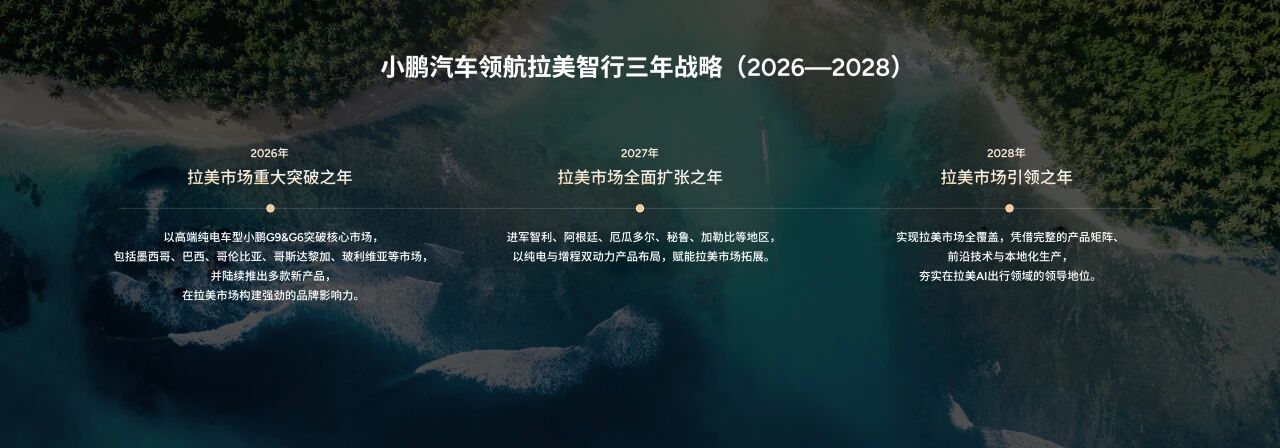
Image Source: XPENG
It must be noted that Latin American policies and tariffs carry significant uncertainty. Tariff policies, industrial directions, and trade rules vary widely by country and are subject to periodic adjustment. Companies relying excessively on price advantages face the risk of passive cost structure increases if policies shift.
Furthermore, Chinese automakers face opponents with deep roots. Volkswagen, GM, Toyota, and Fiat have cultivated the Latin American market for decades, boasting mature channel networks and brand recognition. Relying solely on low prices to enter is difficult to shake their foundations, let alone support long-term, stable development.
Zhang Hong believes the Latin American market will not simply replay the domestic price war; instead, it will move toward differentiated, stratified competition. BYD, Great Wall Motor, and XPENG are already showing different strategic paths, with differentiation evident in four dimensions: technology, product positioning, localized service, and brand culture.
However, it must be acknowledged that Chinese automakers still face clear bottlenecks in brand building in Latin America. Despite significant sales growth, overall market share remains lower than that of traditional European, American, and Japanese automakers. Some consumers’ perception of Chinese brands remains stuck at “good value,” failing to fully establish a high-end or technologically leading brand image.
Issues such as insufficient trust due to cultural differences, limited after-sales network coverage, low levels of supply chain localization, reliance on imported core components, and inadequate integration of local talent and management are all shortfalls Chinese automakers still need to address in the Latin American market.
A Great Wall Motor representative stated that the Latin American market should avoid low-level homogenized competition, with the core focus on a high-quality global expansion strategy. “What truly determines how far a company can go is not sales volume alone, but the trust accumulated by the brand.”
The representative emphasized that localization is not measured by investment amount, but by the value created for local users; companies should not cover the globe with a single powertrain solution, but rather respect local energy and usage scenarios. “Going it alone won’t get you far; open cooperation is the main theme.”
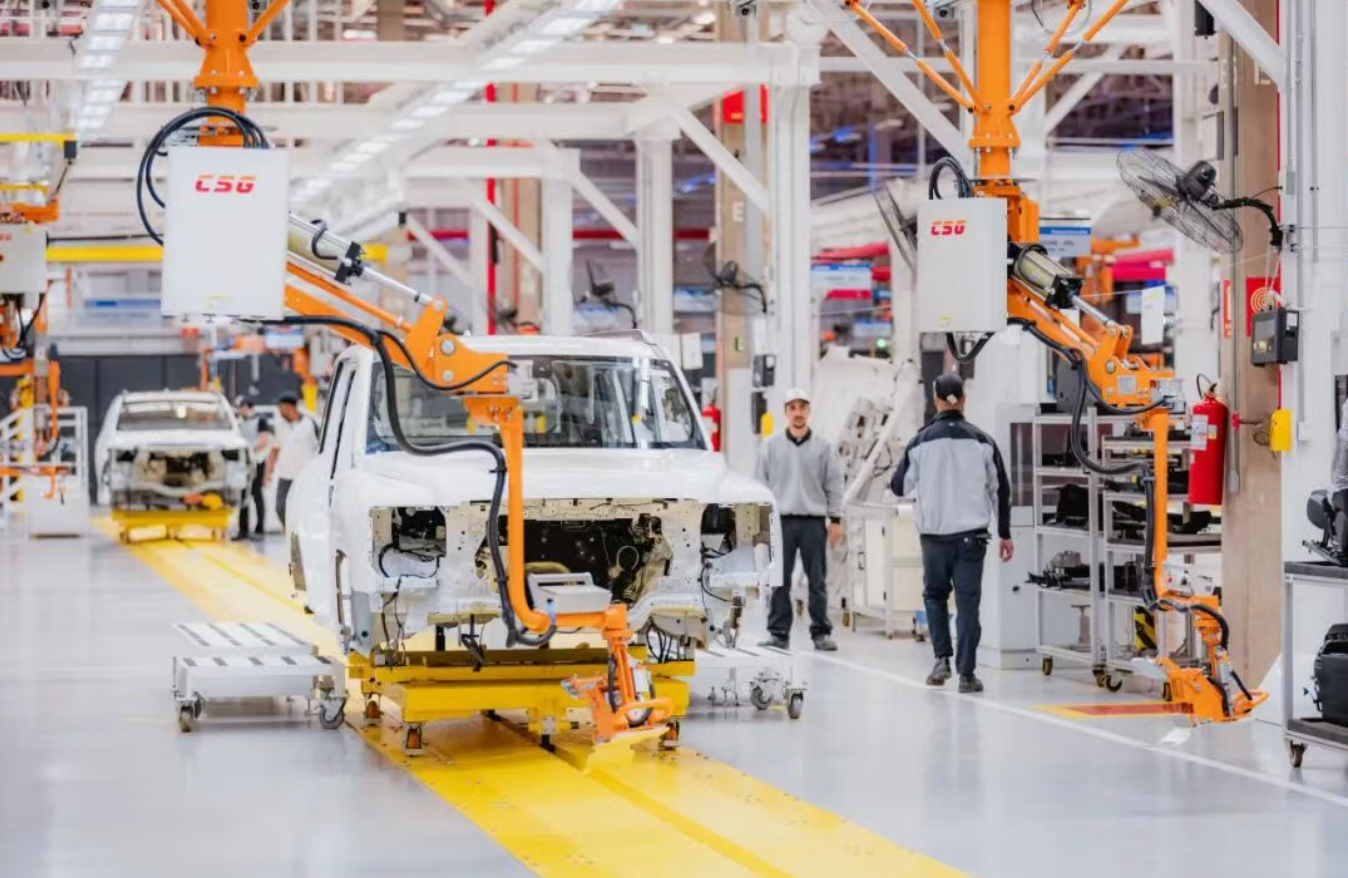
Image Source: Great Wall Motor
Regardless of the market, long-termism is the true barrier. Zhang Hong offered three key suggestions for Chinese automakers developing in Latin America:
First, local production and supply chains. Establishing production bases in Latin America reduces tariff and logistics costs while guaranteeing supply chain stability. The path taken by BYD and Great Wall Motor in building plants in Brazil is a proven model.
Second, local teams and decision-making. Building local teams covering R&D, sales, and after-sales to deeply understand the local market and regulations enables rapid response and flexible decision-making, avoiding information failure caused by remote control from headquarters.
Third, local ecosystem co-construction. Cooperating with local governments, energy companies, and charging operators to participate in new energy ecosystem construction. BYD’s partnership with Brazilian charging operators not only improves infrastructure but also enhances the brand’s social value—a typical example of this path.
Ultimately, the battle for Latin America is a marathon, not a 100-meter sprint. European, American, and Japanese automakers have cultivated this land for decades, establishing deep-rooted channels, brands, and user trust. Chinese automakers bring advantages in new energy technology, more competitive product definition capabilities, and more flexible market response rhythms—these are real competitive strengths.
But whether these advantages can translate into enduring market share depends on the ability to shore up three weak spots beyond product strength: service systems, brand perception, and local trust. As Great Wall Motor’s 12-year layout proves: in Latin America, time itself is a barrier. True “bottom fishing” is not about seizing short-term market dividends, but about truly taking root in this hinterland through long-term investment.