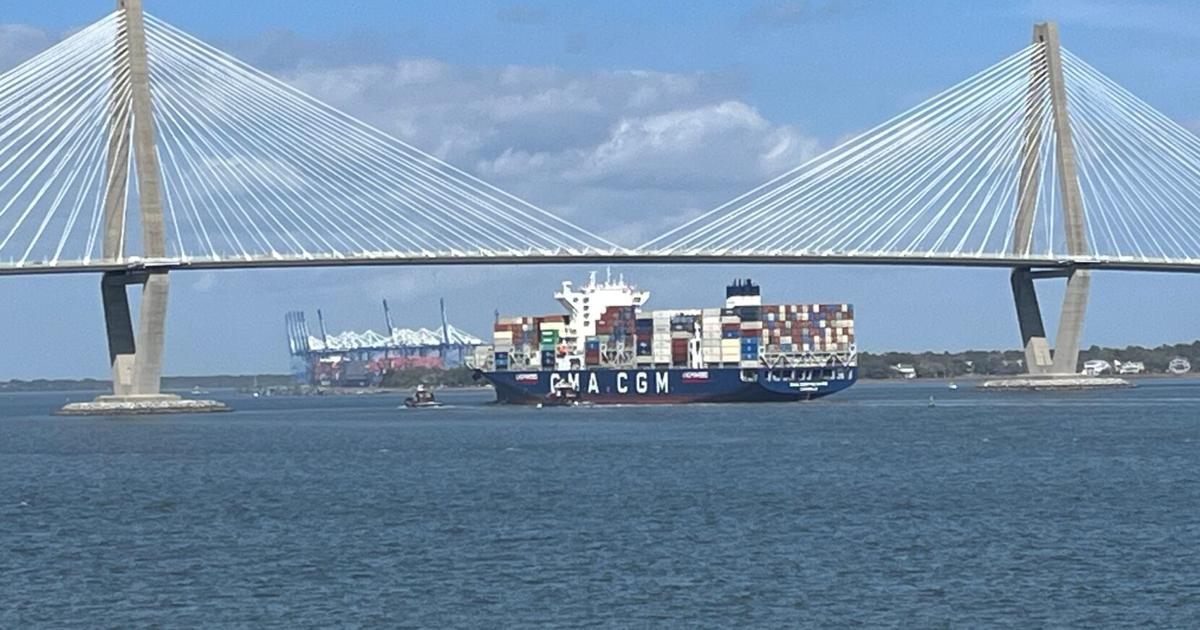
MOUNT PLEASANT — The shipping slowdown that descended on the Charleston waterfront last year continued into February, when container volume sunk to its lowest point since mid-2020.
The S.C. State Ports Authority reported March 17 that 2 percent fewer cargo boxes crossed its docks last month compared to the same period last year.
The February total for the SPA’s primary moneymaker was slightly less than 178,000 containers. The last time volume was that low was July 2020, after the pandemic had shut down parts of the U.S. economy.
Since the SPA’s fiscal year began July 1, the container business is down 3 percent, while operating revenue is off more than 11 percent to $267 million.
Bryon Miller, the SPA’s chief commercial officer, noted that the maritime industry is coming off “a year of two halves.”
It started in early 2025 with importers “frontloading” U.S.-bound cargo before the Trump administration’s new tariffs kicked in last spring. The slowdown that followed in the second half has bled over into 2026.
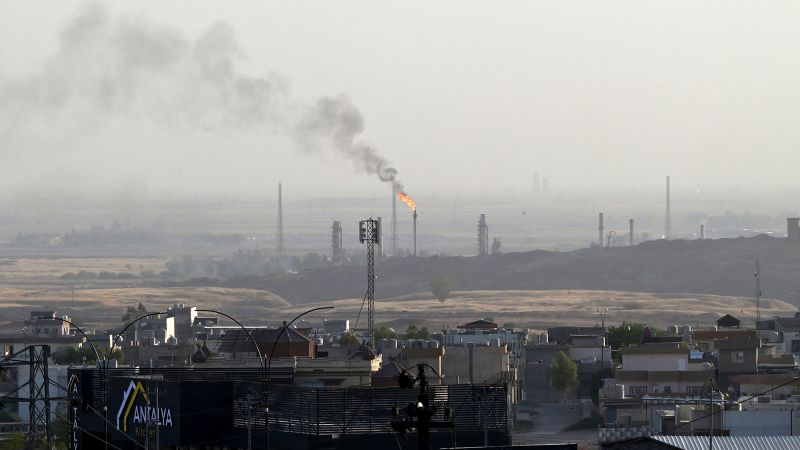
The latest challenges for the industry include rising fuel costs, sluggish demand, falling shipping rates and a war in the Mideast that’s choking off a key trade route for oil and U.S.-bound goods.
Tariff-related uncertainties also remain a concern, even though some were struck down this year by the U.S. Supreme Court while others have been announced.
The monthly Global Tracker Report released March 9 by the National Retail Federation and Hackett Associates predicted that imports at major U.S. container ports are expected to remain below 2025 levels at least through June.
“Definitely a lot of chaos and uncertainty out in the markets, and we’re feeling that as well in our port,” Miller told the Mount Pleasant-based agency’s board on March 17.
State Ports Authority CEO Micah Mallace.
SC Ports CEO Micah Mallace added that “the macroeconomic conditions are concerning, the indicators in the industry are concerning.”
“Every time there is a slowdown, and especially now due to some changes in capacity … cost is is the number one consideration of our customers,” he said. “Anytime rates come down … the shipping lines become more focused on cost, and so we have to respond to that.”
Mallace said controlling expenses is the agency’s “number one priority” to ensure the port stays competitive. With fuel prices surging, it becomes an even trickier task.
“So we have to counteract costs at a time when costs are going up,” he said.
Mallace also told the board that he didn’t expect much fallout at the Port of Charleston from the war in Iran that began late last month. The Mideast region accounts for about 2 percent of the SPA’s overall business, he estimated.
“We have certainly seen some individual companies … deferring or or canceling bookings, but we’re talking very small volumes impacts,” Mallace said.