ASHEVILLE, N.C. (WLOS) — Resilience has long been part of the Amazing American story: surviving hardship, rebuilding, and thriving again against the odds. In Asheville, that spirit is embodied by a historic Black business district known as “The Block,” a community that nearly vanished but is now experiencing a revival.
Located along Eagle and Market streets, near downtown Asheville, the district emerged in the late 1800s following the Civil War and the Reconstruction era. Bordered by the city’s police and fire departments and Biltmore Avenue, the area became a center of African American commerce and culture during the time of segregation.
REPLICA OF DAVIDSON’S FORT IN WESTERN NC REMINDS US OF AMERICA’S REVOLUTIONARY PAST
“What comes out of that is the beautiful African American community that was known as ‘The Block,’” said Rev. Sean Palmer, CEO of the YMI Cultural Center.
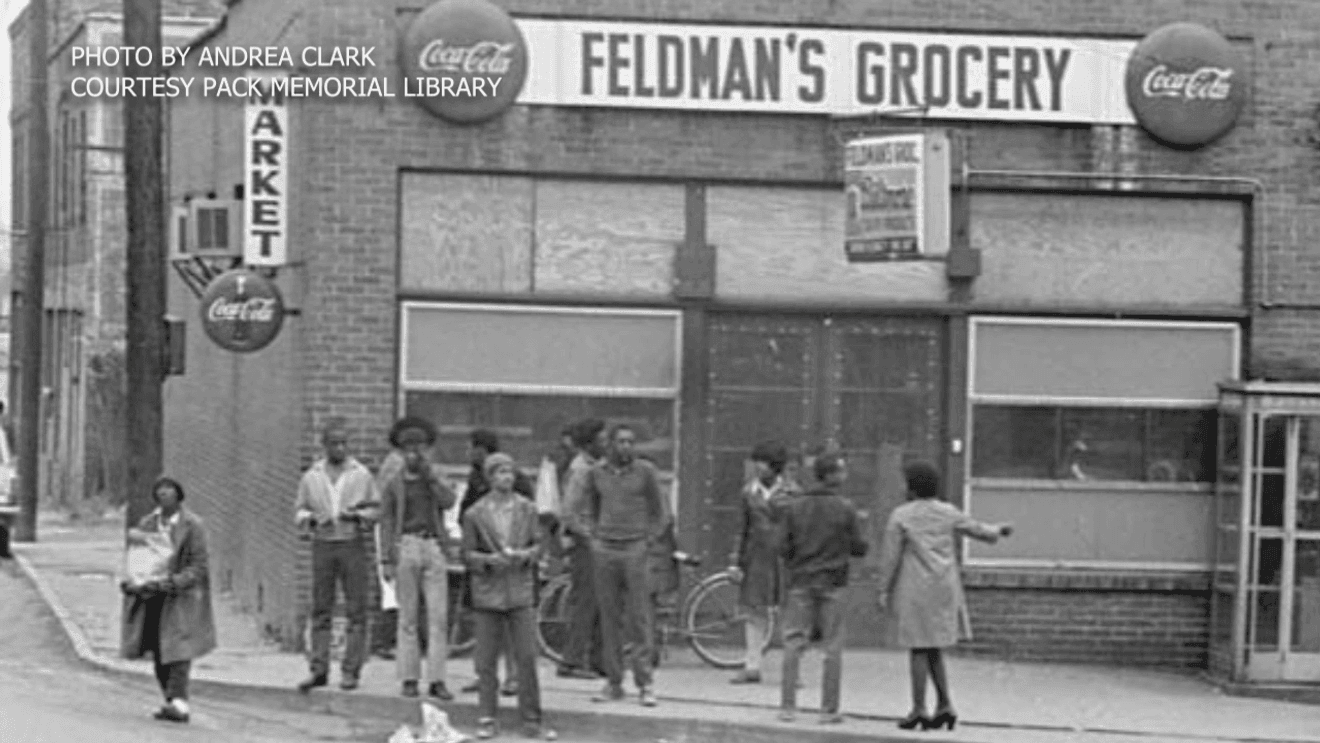
At its peak, The Block was home to as many as 60 Black-owned businesses offering everything from food and clothing to jewelry and entertainment.
Churches, nightclubs, and restaurants created a vibrant hub where the Black community could gather, work, and support one another.
Resilience has long been part of the Amazing American story: surviving hardship, rebuilding, and thriving again against the odds. In Asheville, that spirit is embodied by a historic Black business district known as “The Block,” a community that nearly vanished but is now experiencing a revival. (Photo: Andrea Clark courtesy of Pack Memorial Library)
But the prosperity did not last.
Integration and urban renewal policies of the 1950s, 60s and 70s, reshaped Asheville’s downtown, often at the expense of historically Black neighborhoods.
“With the spark of a pen, all of that was gone, along with the amazing job of a community to take care of itself,” said Stephanie Swepson Twitty, CEO of the Eagle Market Streets Development Corporation.
Leaders say the changes were also connected to redlining, a discriminatory housing practice that devalued homes in predominantly Black neighborhoods and limited investment.
“What happened in our communities is Black communities get told they’re not worth populating,” Palmer said. “So the prices and market value of the houses go down and they can’t build and build well.”
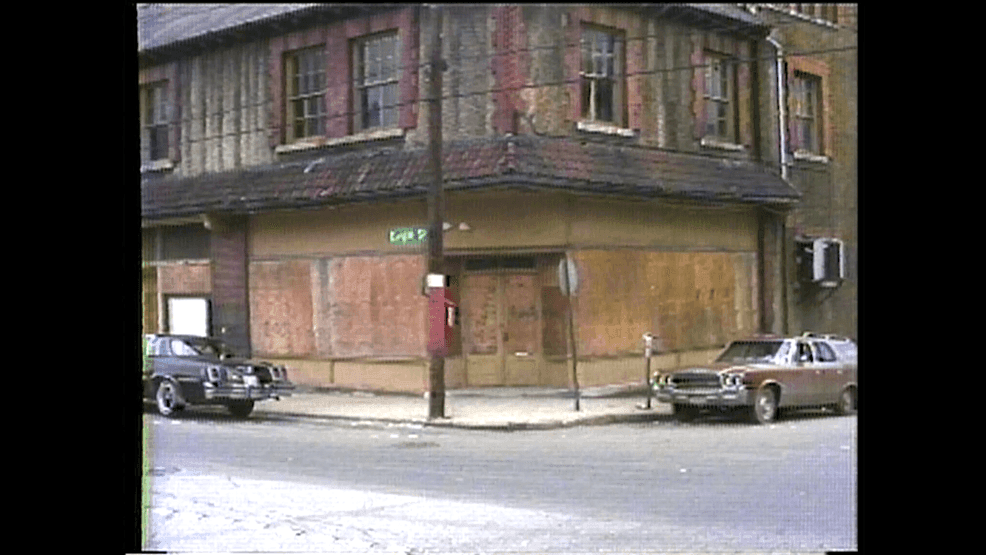
Located along Eagle and Market streets, near downtown Asheville, the district emerged in the late 1800s following the Civil War and the Reconstruction era. Bordered by the city’s police and fire departments and Biltmore Avenue, the area became a center of African American commerce and culture during the time of segregation. (Photo: WLOS Staff)
As businesses closed and residents moved away, Asheville’s Black population declined sharply, from roughly 33% of the city’s residents to between 6 and 7%.
Despite the losses, the community never completely disappeared.
Years later, residents gathered around a kitchen table and decided to work together to restore the district’s economic and cultural vitality.
Their efforts led to the creation of the Eagle Market Streets Development Corporation, an organization focused on rebuilding businesses and generating wealth in one of the nation’s oldest Black business districts.
“This is a place that knows a lot about resurrection,” Palmer said.
Today, new Black-owned businesses are beginning to reopen along The Block, many with an eye toward the future as well as the past. Among them are creative ventures designed to support entrepreneurship, including media and podcasting spaces that allow aspiring creators to experiment with new ideas.
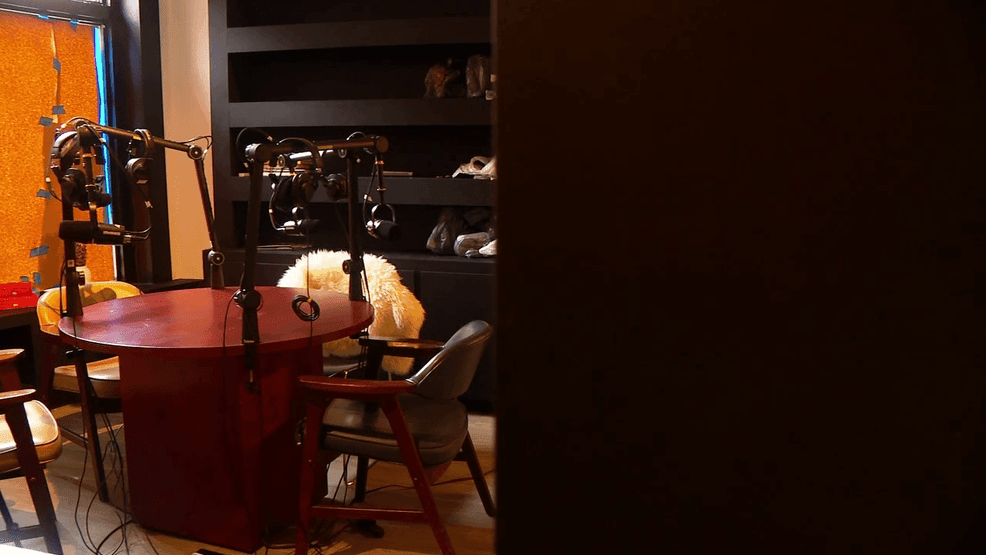
Today, new Black-owned businesses are beginning to reopen along The Block, many with an eye toward the future as well as the past. Among them are creative ventures designed to support entrepreneurship, including media and podcasting spaces that allow aspiring creators to experiment with new ideas. (Photo: WLOS Staff)
“This incubator allows people who may not have started a podcast before, but always wanted to, to come in and try it out,” said Caleb Owolabi of Table and Mic on Eagle Market Street. “That incubator is launching today.”
At the heart of the neighborhood’s revival stands the YMI Cultural Center, a 133-year-old institution that continues to serve as a symbol of the community’s endurance. Alongside other historic sites such as Mount Zion Missionary Baptist Church, the center remains a focal point for preserving African American history and culture in Asheville.
“I think the YMI, Eagle Market Street, and Mount Zion are folks that want to see The Block become, and always be, a magnet for African American history, culture, and heritage,” Palmer said.
For those leading the effort, understanding the past is essential to building the future.
THE CASTLE ON THE HILL: HOW STEPHENS-LEE HIGH SHAPED ASHEVILLE’S FIGHT FOR RACIAL JUSTICE
“If we don’t understand our history, we will never be able to build a really good, firm future,” Twitty said.
As new businesses open and community partnerships grow, supporters hope The Block will once again become a vibrant hub of Black culture, entrepreneurship, and history, an enduring example of resilience in our Amazing American history.