Sea level rise is reshaping coastal towns. A draft shoreline adaptation plan in Sausalito, California, has sparked outrage from waterfront business owners who said the city is effectively planning to “sacrifice” parts of downtown, reported the San Francisco Chronicle.
What’s happening?
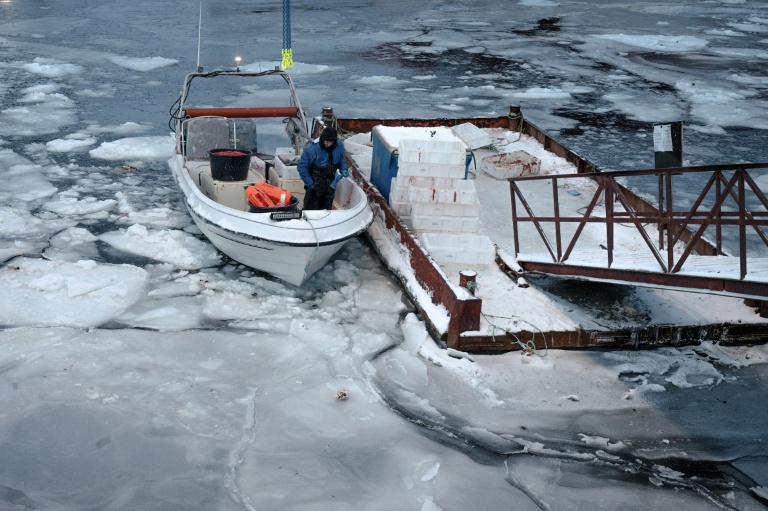
In early January, exceptionally high tides and winter storms around the San Francisco Bay flooded low-lying areas near Sausalito, showing how tides and storms can compound.
According to the San Francisco Chronicle, the City of Sausalito drafted a plan showing many local businesses and landmarks underwater in the coming decades. The draft used city projections that foresee 0.8 feet of sea level rise by 2050, and about 3.1 feet by 2100.
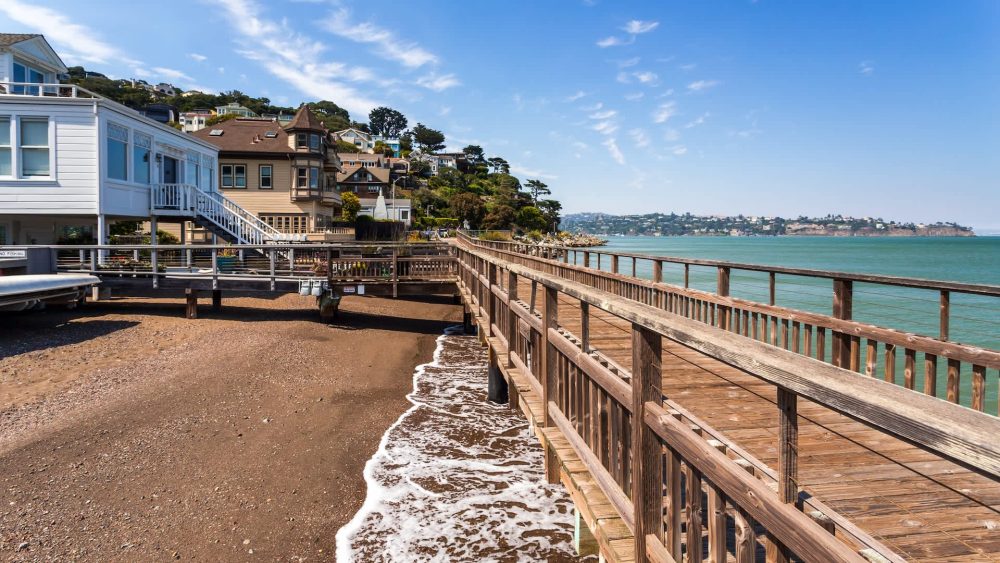
A major flashpoint centers on the Spinnaker, a longtime waterfront restaurant perched at the edge of downtown Sausalito, overlooking San Francisco Bay. The draft shoreline adaptation plan identified the Spinnaker site as particularly vulnerable to rising seas and recommended that the city consider abandoning the structure. In some scenarios, the land beneath and around the restaurant could eventually become tidal habitat to accommodate higher water levels.
That proposal alarmed business owners who see the restaurant as both a historic landmark and a cornerstone of Sausalito’s tourism economy. The Spinnaker’s general manager, Jeff Scharosch, pushed back, telling the San Francisco Chronicle, “That’s not happening. We’ve been here 65 years, we’ll be here another 65.”
Why is sea level rise important?
Scientists link rising seas to a warming planet driven largely by human-released polluting gases, including those from burning oil, coal, and gas.
A warmer ocean expands, and melting glaciers and ice sheets add water; these are the two dominant drivers of rising global sea levels.
Higher baseline seas let storm surges push farther inland, increasing flooding that can damage roads, sewer systems, and evacuation routes.
Sausalito’s draft estimated mid-century flooding losses of roughly $240 million to $570 million. By 2100, losses could reach $1.2 billion to $4.2 billion, including almost a mile of roads.
Extreme weather disasters make this a livelihood issue. Flooded streets can close businesses, disrupt tourism and jobs, and raise health and safety risks during and after storm events.
What’s being done about it?
In response to the backlash, the Sausalito City Council paused the draft plan, emphasizing that it is a long-term planning document and not an immediate demolition order. Further community input will shape the final version.
The finalized plan will aim to protect transportation and utilities, preserve Bay access for water-related businesses, and add nature-based defenses where feasible.
On a broader level, resilience means both preparing for impacts and reducing the pollution fueling them. Communities can support smart shoreline planning, invest in cleaner energy, and back policies that limit pollution that’s raising global temperatures.
Get TCD’s free newsletters for easy tips to save more, waste less, and make smarter choices — and earn up to $5,000 toward clean upgrades in TCD’s exclusive Rewards Club.