Think this is nice? It’s a version of the weekly Under 30 newsletter and would be even better in your inbox.
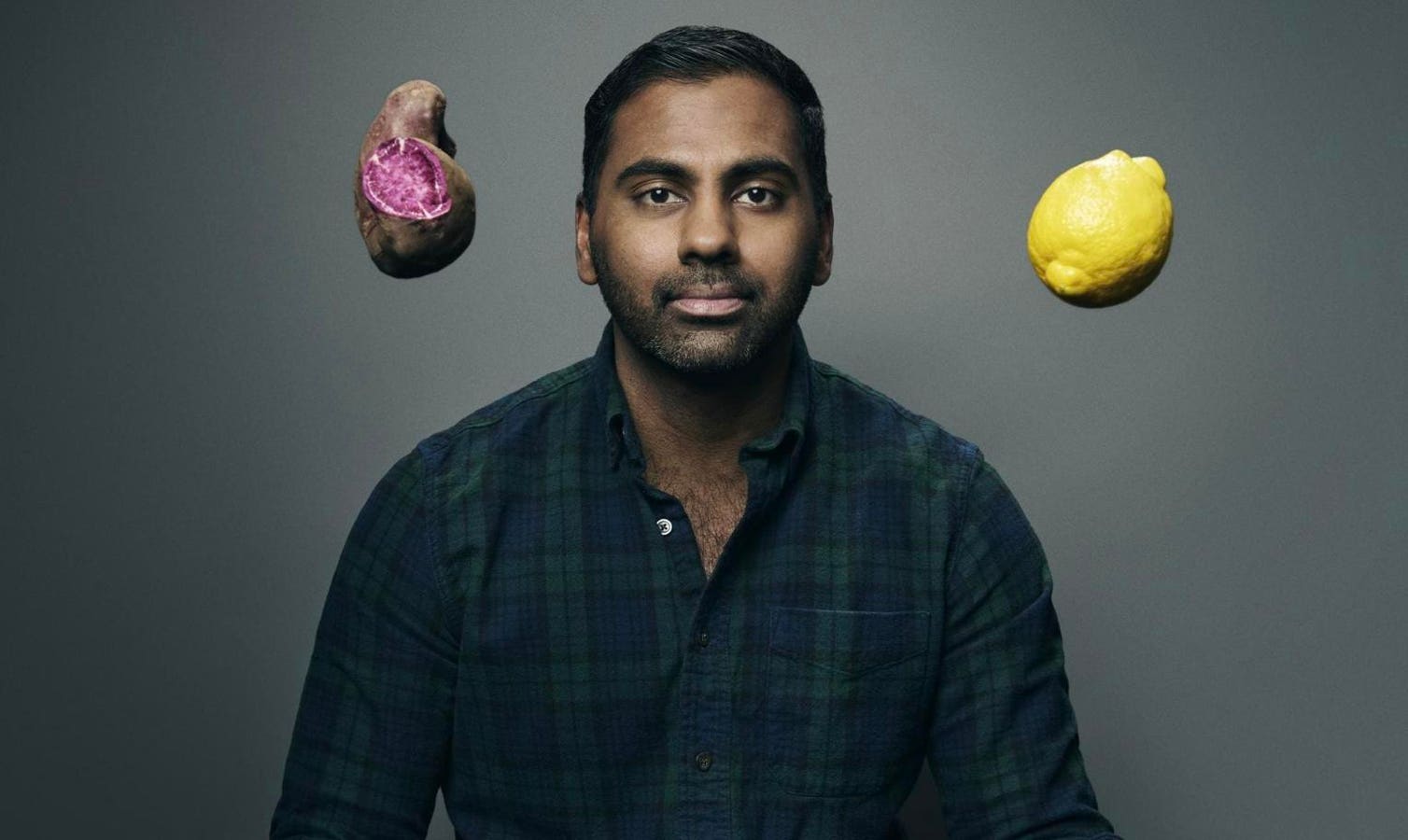
In 2018, fed up with the sheer volume of perfectly edible food going to waste, Abhi Ramesh decided to take matters into his own hands. Grocery stores were discarding mountains of produce that were still good to eat, just not pretty enough to sell. So Ramesh built a simple website, bought a handful of Facebook ads and began selling discounted “mystery boxes” packed with surplus fruits and vegetables at up to 40% below typical grocery store prices.
Today, Forbes reports that Misfits Market generates $500 million in annual revenue.
Ramesh made the Under 30 list in the Social Entrepreneurship category in late 2019, when the startup had helped rescue more than 10 million pounds of food since its founding. In June 2020, Misfits raised an $85 million Series B from investors including Valor Equity Partners, Greenoaks and Third Kind Venture Capital. By September 2021, Ramesh had secured another $425 million across two rapid-fire rounds.
That money was to build the infrastructure needed to keep up with the pandemic-era demand. Consumers turned to doorstep grocery delivery during Covid, and Misfits positioned itself as the cheaper alternative. Demand surged so dramatically that Ramesh even had to pause the Facebook advertisements.
But the pandemic tailwind didn’t last forever.
Misfits still operates more than half a million square feet of distribution space nationwide today. And while the company was built on “ugly” produce, that’s no longer what drives the bulk of its revenue. It’s regular grocery.
As shoppers returned to physical stores, Ramesh diversified the business. Misfits now sells conventional grocery staples alongside its surplus produce, delivering a full-cart experience rather than a surprise box. The company says it generates higher gross margins than traditional grocery chains.
That’s not all: Misfits is also handling fulfillment for other startups like GoPuff, using its already existing infrastructure to make sure temperature-sensitive or other kinds of perishable goods are delivered to consumers in a timely manner. Another portion of sales is coming from Odds & Ends, the in-house brand that uses the same ugly produce that Misfit sells, to then create its own goods such as olive oil and chocolate bars.
What began as a scrappy fight against food waste has evolved into a vertically integrated grocery and logistics platform. Ramesh has plenty to say about that transformation. Read his full Forbes profile here.
More next week,
Zoya & Alex
The Under 30 Summit Is Less Than 60 Days Away. Register Now.
For the first time, Forbes is heading to Phoenix, AZ from April 19–22 to unlock that southwest energy at the 2026 Forbes Under 30 Summit. And we’re celebrating the 15th anniversary of the Under 30 list. You don’t want to miss this. Register today.
The 50 Hottest Fintech Startups In 2026
AI isn’t the only blazing industry. Forbes revealed its 11th annual Fintech50 list last week, noting that last year, funding for private fintechs increased for the first time in four years. Find out which ones made the final cut here—including the 20 that are brand new to this list.
Lister Lowdown
-Under 30 Sports lister Laila Edwards helped the U.S. Women’s hockey team to a golden victory at the Milan Olympics last week, making her the first ever Black American woman to win a gold in the Olympic sport—and only the second Black woman in history to do so.
–Industry, HBO’s latecomer success about banking analysts who go on to shape the entire European economy with more than a few risky moves, was renewed for a fifth and final season. The cast includes leading lady Myha’la, who was named to the Under 30 list in 2023 after appearing on A24’s horror comedy Bodies, Bodies, Bodies.
-Forbes Top Creator and Under 30 lister Jake Shane made his Broadway and late night debut this month. This week, he appeared on Seth Meyers to share his octopus rating system (a bit he initially went viral for on TikTok) and more. Check out our latest coverage on Shane—including his new business venture—here.
On Our Radar
-President Donald Trump gave the longest State of the Union address in history this week—coming in at just over 107 minutes. He claimed the economy is hitting all time highs and that inflation is plummeting. He also claimed that, thanks to his immigration policies, the U.S. has “the strongest and most secure border in American history” with “zero illegal aliens” being admitted into the country over the last nine months. (Economic Times)
-Yet another canned drink is on the market. The last few years have seen countless beverages—like energy drinks, THC drinks, cocktails and mocktails, and coffee—launch in can-form. This week alone, Kim Kardashian announced her involvement in energy drink company Update. And Esspo, a canned espresso soda brand founded by former Refinery 29 cofounder Philippe von Borries, debuted, too. More about how the media founder plans to expand his CPG company at FeedMe.
Under 30 On-Air: Why There Are Suddenly So Many Self-Made Billionaires Under 30
Fueled by AI, prediction markets and online gambling, there are more self-made billionaires under 30 than ever before. 13 up from a previous record of 7.