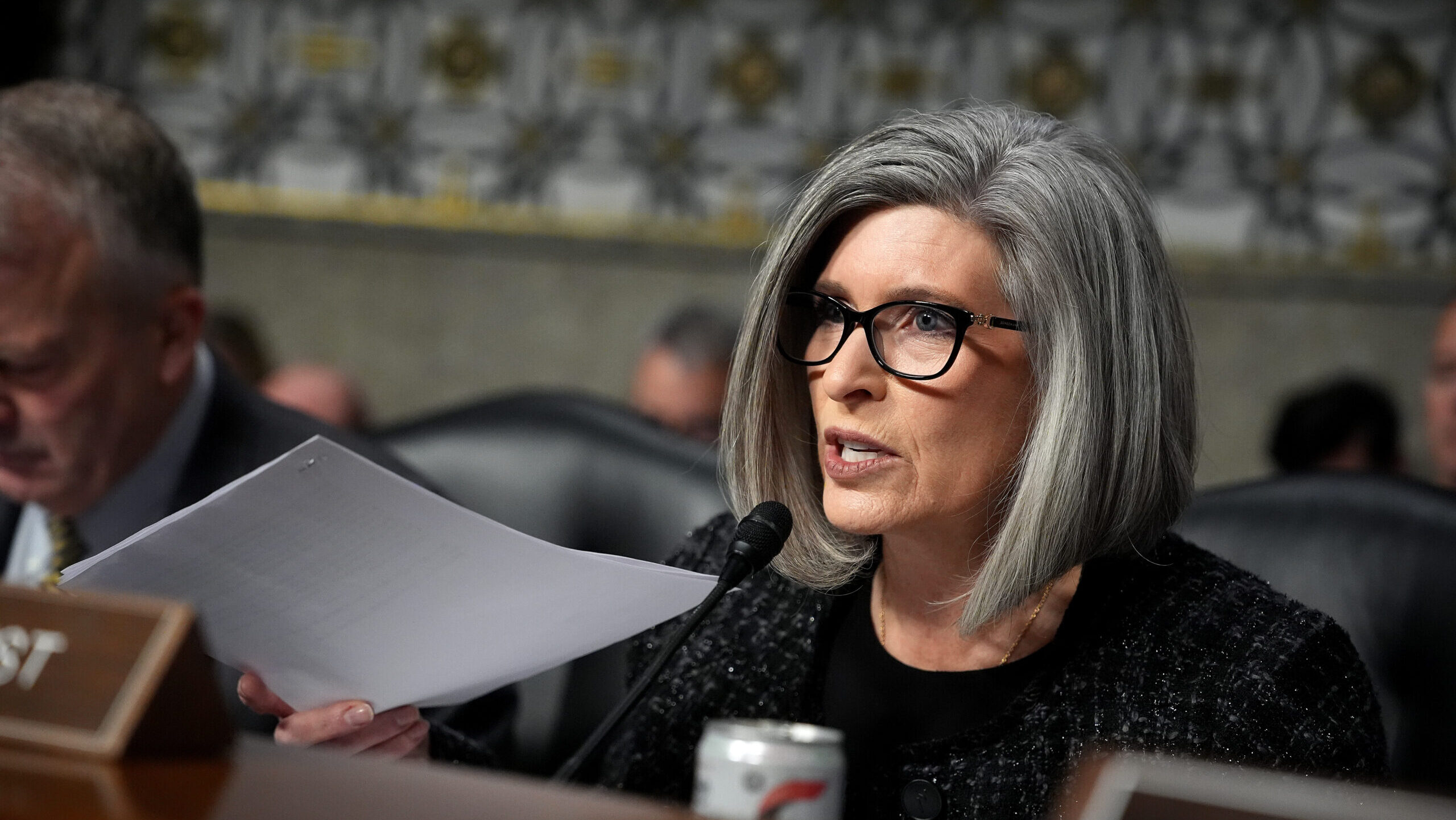

The new JPMorgan Chase global headquarters building (L) at 270 Park Avenue is seen from Top of the Rock observation deck at Rockefeller Center on November 13, 2025 in New York City. (Photo by ANGELA WEISS / AFP) (Photo by ANGELA WEISS/AFP via Getty Images)
AFP via Getty Images
Earlier this week President Trump demanded that Netflix remove former Obama and Biden official Susan Rice from its board of directors. In Trump’s words on Truth Social, “Netflix should fire racist, Trump Deranged Susan Rice, IMMEDIATELY, or pay the consequences.” Trump was referencing the Department of Justice that he presides over, and that will have outsize influence over which corporation will eventually acquire Warner Brothers Discovery (WBD), Netflix or Paramount Global.
That politics looms so large in business is a helpful way to pivot to the subject of this opinion piece: JPMorgan. In recent court filings, the financial institution has admitted to having closed over fifty personal and business accounts associated with then-former President Trump in February of 2021.
In the telling of the Trump team, JPMorgan’s actions were all about the financial institution needing to “distance itself from President Trump and his conservative political views.” The Trump team’s analysis is very difficult to countenance.
JPMorgan didn’t become the U.S.’s largest bank by playing politics with who can and cannot bank with it. If it ever did, there would be hostile takeover attempts formed between breakfast and lunch for a bank so foolish as to turn its nose up to a large, and very well-to-do U.S.-based conservative voting bloc.
It’s a long way of saying that for Trump and his team to make what happened in February of 2021 about Trump’s political views is the equivalent of a drunk driver tying his arrest to the clothes he was wearing while imbibing. It wasn’t just the Democrats who were aghast at Trump’s adjacency to the horrors that took place on that day, so were Republicans. No less than the editorial page of the Wall Street Journal recommended that Trump resign in the January 7 edition of the Journal.
In short, January 6, 2021 changed everything for Trump as a JPMorgan client. And it’s no reach to speculate that Trump knows why. See his dealings with Netflix alone, and the power he possesses to make life difficult for the world’s largest streamer.
That Trump can lob such blatant, commerce-altering threats is something every large business must presently contemplate. For JPMorgan, the previous truth is magnified by the myriad federal bureaucracies that regulate it and the banking system more broadly.
Looked at through the prism of February 19, 2021, JPMorgan’s executives arguably had to factor in not just the reputational challenges of serving Trump, they also had to consider the possibility that an incoming Biden administration wouldn’t look very kindly on the bank’s dealings with the individual who had so strenuously tried to invalidate Joe Biden’s election.
Lest readers forget, it was the Obama administration in which Joe Biden formerly served that created so much trouble (think Operation Choke Point) for major banks, all in relation to the customers they served. In other words, JPMorgan had shareholders to protect from a potential Trump backlash in addition to its reputation. Liberal or conservative politics were beside the point.
What matters is that JPMorgan CEO Jamie Dimon is a businessman, and JPMorgan is a business. Very sadly, the U.S.’s greatest businesses have been pulled into politics. The previous truth presumably made then-former President Trump as a client potentially problematic.
Which means the closing of his accounts likely had everything to do with business, and nothing to do with politics. JPMorgan the business has the right and duty to protect its reputation, along with its business franchise from politicized battering. It seemingly did just that a little over five years ago.