If you’ve been treating your bunions, corns and cracked heels as a cosmetic nuisance, your feet issues are probably having a quiet laugh at your expense. According to one beauty expert, those lumpy, bumpy, flaking bits are less a cruel twist of fate and more a running commentary on how you live, walk and generally neglect the two heroes at the end of your legs.
You know the ones – the feet you stuff into pointy shoes, pound around on all day and then occasionally attack with a cheese grater masquerading as a file.
“Feet absorb everything we do day to day”
Foot concerns such as bunions, corns and cracked heels are often brushed off as unlucky genetics or something you just have to live with. But professionals say these common foot issues are usually signs of pressure, friction or long-term neglect rather than bad luck.
According to Danielle Louise, beauty expert on the world’s leading beauty and wellness booking platform, Fresha, recurring problems downstairs are one of the most overlooked indicators of lifestyle habits.
“Feet absorb everything we do day to day. Walking patterns, footwear choices and how often we moisturise all show up there first. Filing or covering the issue rarely fixes the cause.”
That’s right: your feet have receipts.
Danielle says the hard patches many of us wage war on with blades and drills are actually the body trying to help.
“Calluses and corns are protective responses. Removing them aggressively often makes the problem worse,” Danielle adds.
So while you’re there, sanding away like you’re refinishing a coffee table, your body is quietly rebuilding the defences you’ve just stripped off – thicker, tougher and usually more painful next time round.
How often should you really get a pedicure?
Now to the question that divides households: how often do you need to get a pedicure to keep feet issues at bay without living in the salon?
Danielle’s take – based on the kind of life you lead – looks like this:
| Lifestyle | Recommended pedicure frequency |
|---|---|
| Low activity, good home care | Every 5 to 6 weeks |
| Regular walking or standing (most of us, really) | Every 4 weeks |
| High-impact lifestyle or frequent travel | Every 3 to 4 weeks |
Pedicures, she says, are less about instant glamour and more about staying ahead of problems. Think of them as a regular service for your feet rather than a full rebuild.
Pedicures are best used for:
- Routine maintenance
- Early problem spotting
- Comfort and prevention
What they don’t do is rewrite your biomechanics. If your shoes are too tight, your gait is off or you’re clocking up half-marathon distances between the office and the train, no amount of polish is going to correct underlying structural foot issues or poor footwear choices.
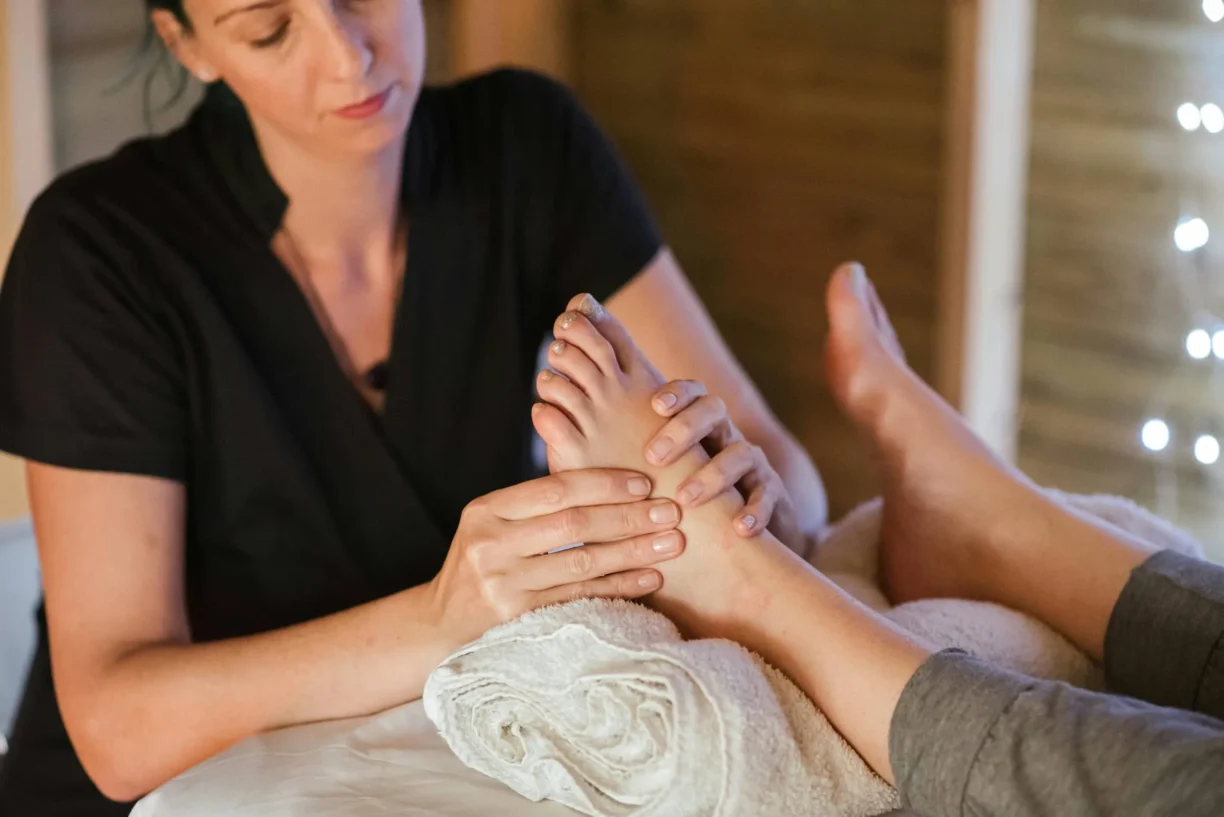
There are moments when even the best pedicurist will look at your feet and politely suggest it’s time to see a medical professional instead. According to Danielle, you should seek professional advice if you notice:
- Ongoing pain
- Bleeding cracks
- Rapidly returning corns or calluses
- Noticeable changes in foot shape
Those aren’t just “ugly feet” days – they’re the equivalent of a hazard warning light.
“These are signs that something deeper needs addressing. A pedicure can support healthy feet, but it should never be the only solution.”
In other words, spa days are lovely, but they’re not a substitute for a podiatrist when your feet issues are shouting instead of whispering.
Why your lifestyle shows up in your soles
Here’s the uncomfortable truth: your feet are brutally honest about how you live.
- Live in high heels or narrow shoes? Expect bunions, pressure points and angry joints.
- On your feet all day at work? Calluses and corns are your body’s armour against constant friction.
- Forget to moisturise below the ankle? Cracked heels will happily remind you.
- Travel a lot or train hard? Repeated impact, swelling and heat can fast-track hard skin, blisters and structural changes.
Because they’re usually hidden away, it’s easy to ignore feet until something actually hurts. But that’s a bit like ignoring a smoke alarm until your kitchen’s on fire.
Danielle’s core message is simple: don’t wait for the pain. Regular checks, paying attention to how your feet feel in your shoes, and keeping the skin healthy can stop mild foot issues from turning into long-term problems.
How To find the right pair of hands
If the idea of finding a decent pedicurist or foot care specialist feels as daunting as sorting your sock drawer, the Fresha app does some of the hard work for you.
Through the Fresha app, clients can book qualified pedicurists and foot care specialists who offer tailored advice based on lifestyle and foot health. You’re not just getting pretty toes; you’re getting a pro who can spot early warning signs, suggest better routines and tell you when it’s time to upgrade those fashion-foot-torture devices you call shoes.
The takeaway: listen to your feet before they start yelling
Bunions, corns and cracked heels are not random acts of cruelty. They’re messages – sometimes polite, sometimes in full caps lock – about pressure, friction and the way you treat your body every day.
Use pedicures as smart maintenance, not a magic eraser. Watch for the red-flag symptoms. And if your feet issues keep coming back faster than you can file them, it’s time to swap the salon chair for professional advice.
Your feet carry you through every bad shoe choice, every extra shift and every “I’ll just walk it off”. The least we can do is listen when they finally speak up.