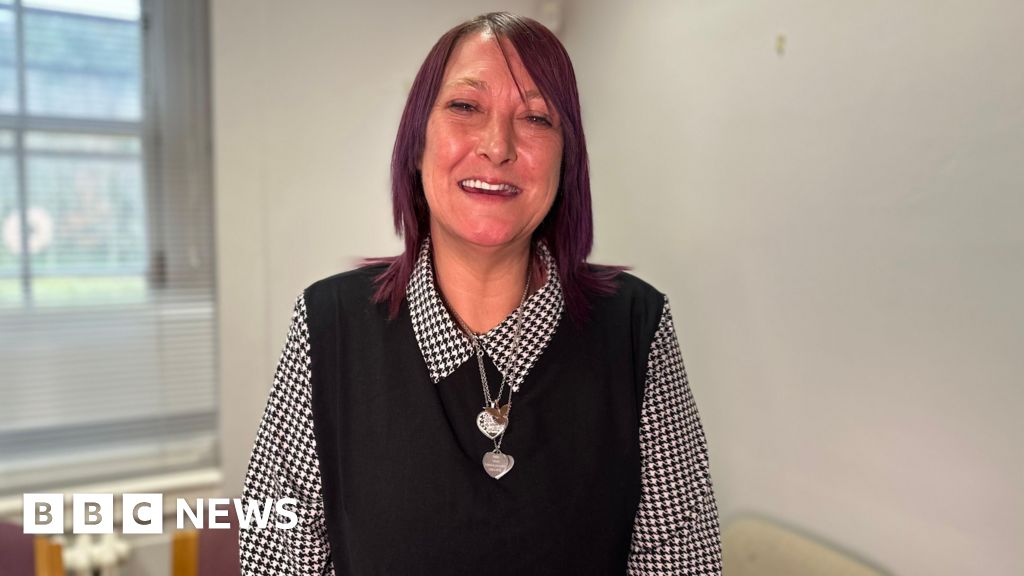
Zamiha Desai, MBE, serial entrepreneur shares what has created a successful global community-based business
RecommendAsian
While we are all hyper-connected, it can feel as though we are more lonely, sounds familiar? There is truth in that declaration, but there is also another reality: the phenomenal growth of networks and communities. Ask any entrepreneur, newbie or seasoned, and they will tell you their most valuable resource is their network. Networks and professional relationships matter, personal connections count, and even family gets thrown into the mix.
The same is true for professionals. To navigate the complexity of matrix-structured organisations, individuals need to cultivate strong relationships across reporting lines. Soft power and influence only translate into success when people have access to the right connections; those who can unlock barriers, share fresh thinking or open doors to new networks. And yet, despite the immense value of networking, many of us still struggle to build and sustain meaningful connections, often with what seem like good reasons.
We fail to recognise the importance of investing time and effort into building relationships for two key reasons. First, the benefits are not always clear, especially when building connection requires time, and sometimes money, to attend events in person or online. Second, traditional networking can feel daunting. There is an entire category of business and leadership books dedicated not only to why networking matters, but how to do it. Yet the reality is simple: we need people. In the book I co-authored with Dr Naeema Pasha, Futureproof Your Leadership, we shared a particularly powerful sentence:
“The pandemic showed us, we crave people, as much as we crave pizza.”
Ask anyone about Covid-19 and the memories sense of isolation is never far away. During lockdown, people found creative ways to stay connected through screens, from kitchen discos hosted by international pop star Sophie Ellis-Bextor to online yoga classes. My own leaving party was a virtual cooking class; we made a fantastic Thai menu that I have never been able to recreate. Today, we have access to more communities than ever before. Social platforms allow us to stay connected across thousands of miles at the click of a button. At the same time, cities are buzzing with networking activity, often with multiple events each week offering a range of formats and experiences to dip into.
So what has changed?
Networking has evolved from something fast and transactional into something rooted in trust, mutual respect and shared benefit. When writing Take the Lead, we explicitly included a chapter on Connections — not only because it fitted with the Seven Cs for leadership, but because it captured something deeper. When I first began speaking about networking in leadership programmes, particularly with women, I often encountered pushback. Building networks to advance careers or entrepreneurial ambitions sometimes felt exploitative, uncomfortable, even performative. Yet when the conversation shifted from networking to connections, it created space for a different mindset: one grounded in authenticity, purpose and contribution.
Building connections is one thing. Maintaining them is far more challenging. Few people understand that better than Zamiha Desai, MBE, founder of RecommendAsian, launched in 2016. The RecommendAsian and ProfessionalAsian communities now have close to 200,000 members across the UK, with members also in Europe, Canada, the US, Dubai, Australia, East Africa and India.
Desai launched RecommendAsian to serve the South Asian diaspora in the UK, enabling members to share hints and tips that might previously have been passed down through extended family and close-knit networks. What began as a discussion about how to drape a sari properly evolved into something far bigger. “I started RecommendAsian on a whim. I needed it, and I figured we needed it, as simple as that,” she says.
Desai during her MBE investiture with the Princess Royal in the presence of her family.
HM The King and Brtitish Ceremonial Arts Limited
“British South Asian communities, like all others, are spread out now. The extended family networks that used to provide advice and connection don’t work the same way anymore. We filled that gap.” Filling a gap is only the beginning. As Desai explains, the strength of a community depends on the ownership its members feel. “They’re not passive scrollers,” she says. “They give advice, make introductions, and call out nonsense when needed. That investment is what creates staying power. I’ve watched plenty of online communities fizzle out. The ones that stick around share something, and people feel respected and not mined for data.”
Online networking has its own dynamics, and the difference between a community that thrives and one that fades is often cultural and shaped by behaviours that create trust over time. “Our members are generous,” Desai explains. “Not in a ‘I’ll scratch your back’ way, but genuinely generous. They’ll spend 30 minutes on a call with someone they’ve never met, make introductions that don’t benefit them in the slightest, share intel that took them years to learn. And they’re consistent. I can name members who’ve shown up to every meetup for two years straight. That behaviour builds familiarity, which builds trust. You can’t replicate that with one coffee meeting.”
There is something else, too: vulnerability.
“When people ask sensitive questions, members respond honestly about the hard stuff,” she adds. “We get posts about professional challenges; someone has had their employment terminated, or a person is struggling with imposter syndrome, or someone else didn’t perform well in an interview. That vulnerability is magnetic. It’s what turns ‘I know her’ into ‘I trust her.’ The research backs this up, but you don’t need studies, you can feel the difference in the conversations.”
The growth of networks spanning countries shows no sign of slowing, even as nationalism rises and geographical borders harden. Desai draws on a decade of experience to share advice for so-called “communipreneurs’ people building networks as a platform, movement or venture.
“Figure out why you’re doing this before you think about revenue,” she says. “Communities built for profit first die fast. Your members can sense it. Get serious about culture immediately. What’s the vibe? What is out of bounds? What behaviour do you expect? How do you handle conflict? These decisions matter because they set the tone. And stick to your own rules.”
Building communities is a slow burn. It often takes years to establish the culture, norms and relationships that make a community resilient. At a time when many start-ups seem to go from zero to 10X overnight, that pace can feel glacial.
“The communities-as-business model works,” Desai says, “but it’s fundamentally different from other ventures. You’re facilitating, not controlling. That requires a different skill set — and honestly, a different personality.”
Looking ahead for Networking Businesses.
Desai sees enormous potential for both ProfessionalAsian and RecommendedAsian “We’re finally talking about networks as infrastructure, not just ‘networking’,” she goes on to share, “Women, especially women of colour, have been shut out of the rooms where deals happen and careers accelerate. Community-led models can change that.”
We are finally starting to understand what Desai articulates so clearly: networks are not optional. They create infrastructure for personal and professional success. For women who have historically been excluded from spaces where influence, deals and acceleration happen, community-led models do more than create connection. They redistribute access.
In a world where leadership is increasingly defined by soft power, it is those who build trusted, generous ecosystems, not simply impressive individual brands who will shape what comes next.