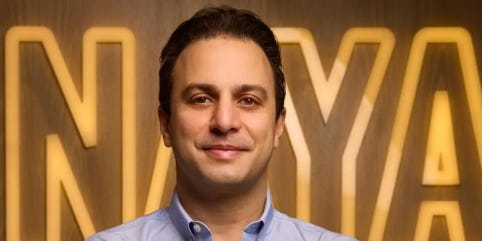
This is an as-told-to essay based on a conversation with Hady Kfoury, the founder of Naya, a fast-casual Lebanese-inspired food chain with more than 40 locations on the East Coast. Naya plans to have 200 locations nationwide by 2030. This story has been edited for length and clarity.
I studied hospitality in Switzerland and then came to New York to work under celebrity chefs, Daniel Boulud and François Payard, so I had experience in fine dining. When I decided to open the first Naya in 2008, that was more or less my comfort zone.
A week after we launched, we got an amazing article in the New York Times and then we were packed for lunch and dinner. It definitely helped prevent us from shutting down after a few months.
A couple of years in, we realized the food worked incredibly well in a faster and more accessible format. If you go to a Lebanese restaurant, you have all these mezze in the middle of the table, like a plate with a variety of dips and vegetables, and you’re putting scoops on your plate. That’s how we eat usually. So that’s why I shifted my focus into a fast-casual model.
Today, we have 44 restaurants and we are riding the wave of Middle Eastern and Mediterranean cuisine in general. It’s definitely become mainstream, which is totally different than almost 20 years ago when I started the business.
As we scale, I’ve found there are four major misconceptions about the restaurant business.
1. Fast casual is not easy
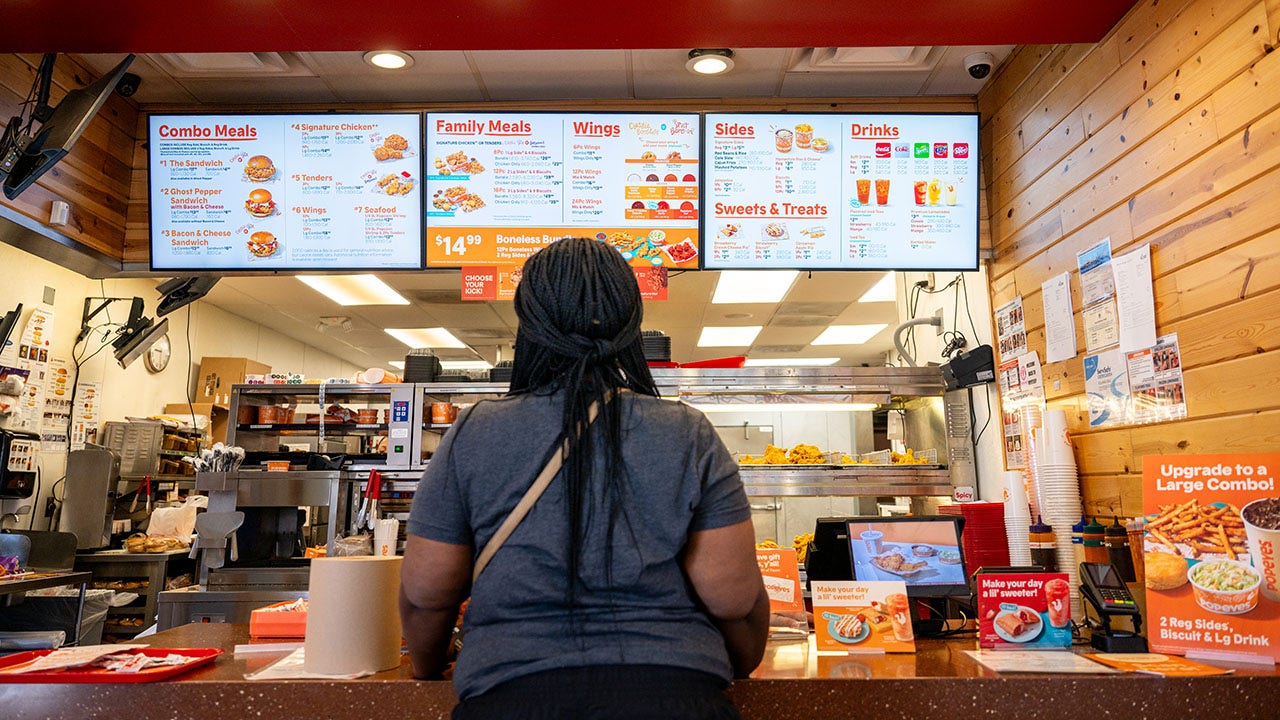
A lot of people think fast-casual restaurants are easy. It is not easy. Serving more guests at a faster pace doesn’t mean it’s a simple effort; it means you should master your systems and consistency at scale, possibly even more rigor than in fine dining.
The biggest challenge we have is that you’re on an assembly line. You’re not cooking per order. It’s a problem for any restaurant with a service line. How do you plan to rotate food in a certain way, and to cook it a certain amount, so the food remains fresh and not overcooked?
My R&D doesn’t stop. It keeps me up at night thinking about how we can keep improving what we do. And any change you make to improve something, you’re rolling it out at 44 restaurants, so you have to be very mindful and careful.
2. Expansion doesn’t mean success
Growing only works when the business fundamentals — training, supply chain, quality control — are built to handle it repeatedly. Growing without readiness is chaotic.
From 2008 to 2020, I grew Naya to seven restaurants without any partners because all I cared about was being profitable and having a great team in place. Growth only works when you have those fundamentals. In 2020, I partnered with a private-equity firm, which was initially scary, but the rules were clear from day one that we would prioritize those fundamentals.
3. Cutting corners doesn’t increase profits
Some people think cutting corners gets you a more profitable bottom line, but that is not the case. Cutting costs often undermines guest trust. You lose the customer trust, and the brands that endure are the ones that deliver authenticity, quality, and transparency every time.
We’re trying to be very affordable, and we fall somewhere in the middle of the category, but I will never drop quality. I recently partnered with Pat LaFrieda, one of the best high-end butchers in the tristate. Even with our vegetables, we try to get deliveries three to four times per week rather than two times where you could get cheaper products.
4. It’s about more than food
People think that it’s all about the food, but people matter so much too. What keeps guests coming back and what keeps your team thriving is a culture of service, training, and retention.
I take extremely good care of my team. Most of our general managers are grown within the company and we have very low staff turnover.
Great food is really important, but there’s a people component to it that you can’t avoid.