
While the NFL playoffs continue, the offseason is in full swing for most teams. Coaching turnover has already started, as almost a third of teams look for a reset. And if you think coaching turnover in the NFL is at an all-time high, college football teams are turning over their rosters at a dizzying rate, all in the past two weeks, as I’ve been seeing firsthand. Let’s examine.
More money, more turnover
With the average NFL franchise value now north of $7 billion, there is little patience for NFL coaches who don’t achieve success, as owners keep trying to get it right at the most critical leadership position. There are now nine teams, 28% of the league, looking for a new head coach and coaching staff.
I say this every year, but it bears repeating: I know the coaches sign up for this profession and they are used to what comes with it, but it’s worth noting the upheaval a head coaching change creates among dozens of families, not just for the head coach. Most, if not all, assistant coaches will be replaced by new ones, brought in by the new coach. Thus, hundreds of families are now figuring out what to do, where to put their kids in school, how to sell their house or get out of a lease, etc. I saw it firsthand a couple of times, and it was eye-opening.
Stale happens
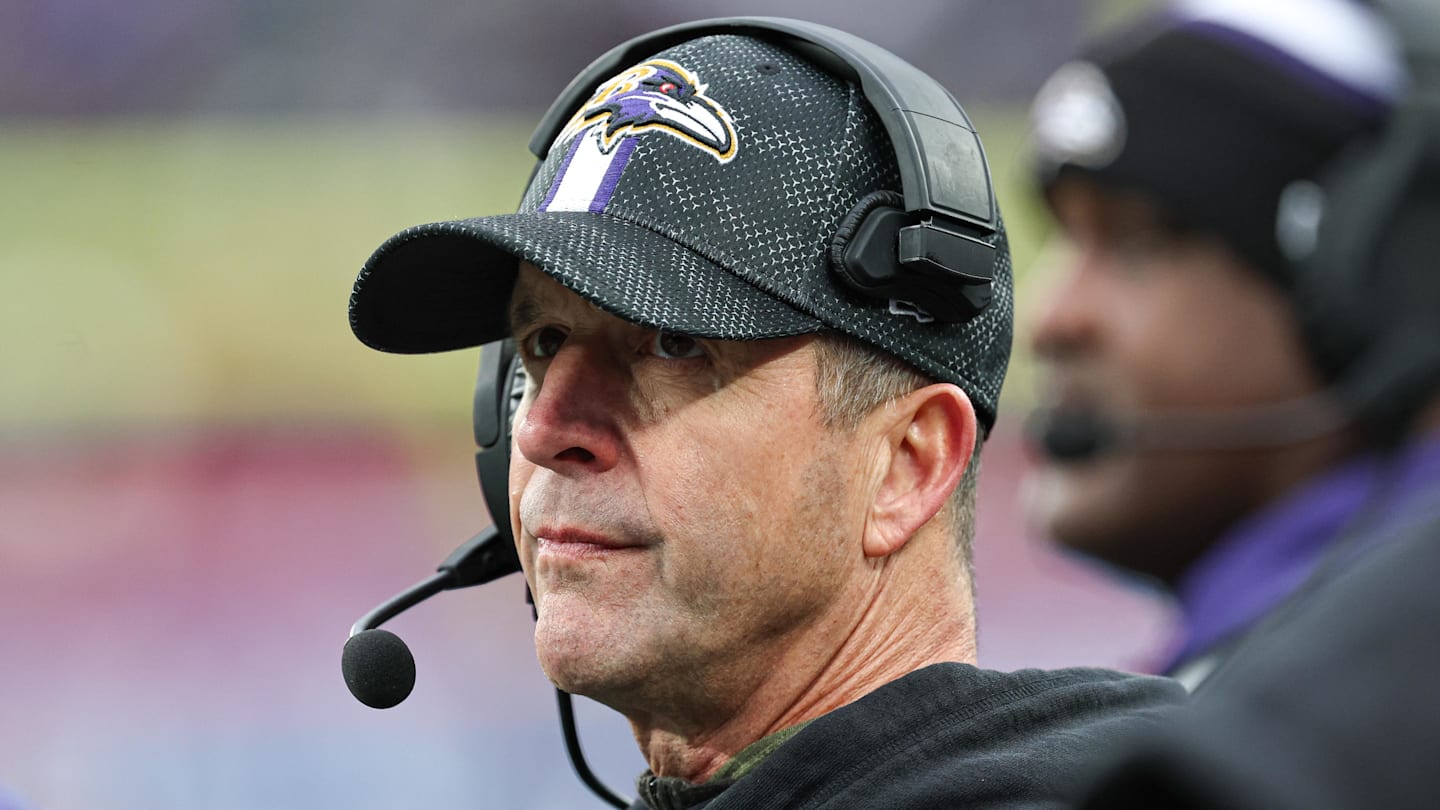
The Ravens moved on from John Harbaugh after 18 years, and the Steelers and Mike Tomlin parted ways after 19 years. It’s the end of an era.
We can search for reasons, but my sense is that it is a very simplistic explanation: Sometimes relationships—on both sides—simply become stale. It can happen for no specific reason, just a feeling that grows over time: It’s been a good run, and it’s time to do something different. On a personal note, it happened to me with the Packers after over nine years with the franchise. It happens to people, professionally and personally, all the time. It is more damaging, in my opinion, for the two sides of a relationship to hold on after the “staleness,” which may have happened with Harbaugh and/or Tomlin.
While Harbaugh is out interviewing and wants to continue coaching, I would expect Tomlin to take the media route, at least for this year. But, as we’ve seen with so many, the coaching bug is strong.
$earch firms
The Falcons fired both head coach Raheem Morris and general manager Terry Fontenot, as ownership grew frustrated by the underachievement of a highly talented team. They have now brought in Matt Ryan to lead as a senior executive, but are outsourcing the hiring for their two top football operations roles.
They have hired not one, but two search firms—one for the head coach position and one for the general manager role. Having seen the search firm process up close a couple of times, I’m not a big fan, especially in terms of cost-effectiveness.
Often these search firms charge up to 30% of the successful candidate’s first-year compensation to, frankly, not do much more than produce and interview names that are most of the same names that other teams—not using search firms—are using. And these search firms have their own book of candidates, who often pay them to put their names forward.
One reason these teams use search firms is to give owners and teams cover for their decisions. They can say they spent good money—potentially hundreds of thousands of dollars—and time to check the box of hiring the best people possible. But, again, I’m not a fan.
The interview process
Nine teams are now in search of a new head coach. As for the interview process, each team is different, but having gone through this a couple of times with the Packers, I observed some patterns.
Teams want to know the coach’s structure. They want to know how he’d organize his staff, how he’d schedule the week (both in-season and in the offseason), how he’d use the team’s personnel, what he would change, etc. And of course, there are deeper questions about handling adversity, discipline and subordination.
As with any interview process, chemistry and connection with the general manager, owner and team scouting staff—among others—play a role.
Some teams are interviewing 10 to 15, or even more, candidates. To that, I say more power to them. There is no hurry; this is a time to reset and cast as wide a net as possible. At the very least, these interviews are opportunities to pick experts’ brains about how other organizations operate, which is an underrated part of the process.
Teams need to get it done right, not fast.
College football madness
I have noted before that college football players have more movement rights than NFL players, and they and their agents are taking full advantage of the perpetual free agency.
Many of us working in the NIL contract negotiations space thought that last year’s escalating costs for players could be chalked up to the front-loading of monies before the salary cap, set at $20.5 million by the House v. NCAA settlement, took effect on July 1. Well, as someone in the thick of this, that thinking has now been proven wrong. The price for top college football transfers has only gone up.
I cannot comment specifically on my negotiations for Louisville football, but I can tell you it is no less chaotic or expensive than it was last year. The top players have extraordinary leverage, with an unregulated transfer portal, meaning free agency every season. Top quarterbacks are getting over $5 million, with top running backs, receivers, offensive and defensive linemen all getting over seven figures. The two-week transfer portal reminds me of the chaos that ensues after the NFL draft when signing undrafted players, though in this case, the prices are much higher and it lasts 14 days instead of two hours.
Is it sustainable? Well, that remains to be seen. There will be donor fatigue as schools evaluate other sources of revenue, including private equity and private lending. We are all looking for a fix.