
South Korea’s cosmetics exports reached a record high of US$11.43 billion in 2025, surpassing the previous year’s US$10 billion. The Ministry of Food and Drug Safety (MFDS) says the figure represents a 12.3% increase from 2024.
According to the MFDS, every respective month in 2025 set a year-over-year record high for export values. In particular, exports in September reached US$1.15 billion, up 26%.
Korea’s largest cosmetics export destination was the US, where exports rose 15.1% to approximately US$2.2 billion. China, which used to be Korea’s top export destination, saw a decline in shipments, with exports falling 19.2% to US$2 billion.
However, the combined share of K-beauty exports to the US and China decreased to 36.7%, down from a combined 43.1% in 2024. The trade data shows that new countries stepped up to fill the gap.
Officials link the country’s growth to regulatory support, export guidance, and faster approval processes.
As global demand for K-beauty continues to grow, Korean media outlets report that an increasing number of Korean beauty companies are accelerating preparations for initial public offerings (IPOs). Domestic investment banking officials say more cosmetic firms are planning to go public in 2026 and beyond.
To further sustain global growth, the MFDS has announced it will invest in additional measures, including a new safety assessment system that aligns Korean standards with international ones.
Diversifying markets
According to the MFDS, China and Japan ranked second and third, respectively, as the largest cosmetics export destinations after the US. The top ten export markets accounted for approximately 70.7% of South Korea’s total cosmetics exports.
K-beauty brands are expanding their presence in overseas retail channels as international demand grows.Exports to Japan increased 5% to around US$1.1 billion, while shipments to Hong Kong jumped 21.6% to US$705 million. Notably, the United Arab Emirates and Poland showed strong growth, ranking 8th and 9th, respectively, in 2025.
The ministry’s data shows that K-beauty is increasingly diversifying into Europe, the Middle East, Latin America, and South and Southwest Asia. Among those listed, Mexico is the fastest-growing export market by percentage growth (149.9%), followed by Brazil (115.1%).
By product category, skin care products accounted for the largest share of exports at US$8.54 billion, and made up nearly 75% of total cosmetics exports.
Color cosmetics exports rose 12% to US$1.51 billion, while body cleansing product exports jumped 27.3% to US$590 million. Fragrance products recorded the highest growth rate, increasing by 46.2% to US$57 million.
Going public
Korean cosmetics companies are increasingly viewing IPOs as a strategic step to support their global expansion. Domestic reports say more K-beauty manufacturers and distributors are preparing to go public in 2026.
The IPO trend reflects sustained overseas demand for K-beauty products. Goodai Global emerged as a high-profile example of the trend.
The K-beauty conglomerate reportedly began selecting IPO underwriters this month. It operates several brands, including Tirtir, Skinfood, and Beauty of Joseon. The company raised around ₩800 billion (US$545.36 million) through convertible bonds last year.
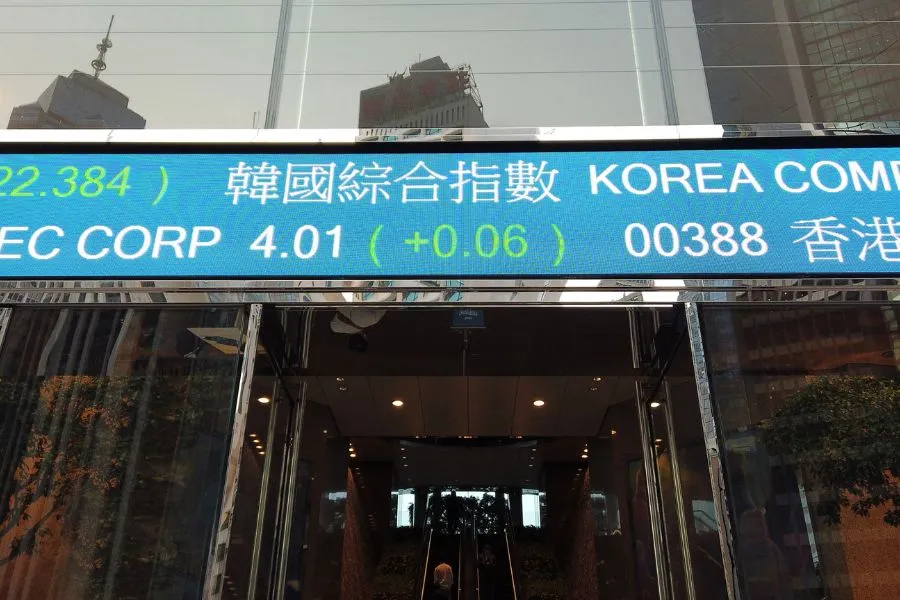 Korean beauty companies are increasingly turning to public listings to support global expansion.As part of the deal, Goodai Global was required to launch an IPO by 2028. Market watchers say the company could go public as early as 2027. Analysts say Goodai Global built its brand awareness mainly through online platforms, and the IPO move signals that it plans to expand into offline retail channels overseas.
Other cosmetics companies also advanced IPO plans across manufacturing and distribution. K-beauty player Benow moved forward with its listing preparations after expanding into Japan in 2023 and the US in 2024.
Distributors such as Grace and Asia BNC are also preparing for public offerings.
APR Corp, owner of Medicube, emerged as a benchmark case after its listing on the Korea Composite Stock Price Index in February 2024. In 2025, the company surpassed Amorepacific in market capitalization, with its value reaching approximately ₩8.6 trillion (US$5.86 billion), compared to Amorepacific’s ₩7 trillion (US$4.77 billion).
With public listings increasingly following international expansion rather than preceding it, K-beauty firms are increasingly positioning themselves as long-term global players.
Ministerial aid push
The MFDS has announced in the report that it will continue to actively support K-beauty brands in their international expansion. Alongside the measures the ministry already carries out — such as working directly with foreign regulators and hosting international meetings on cosmetics rules — MFDS is also working to prepare Korean beauty brands for the upcoming regulatory changes in the US and China.
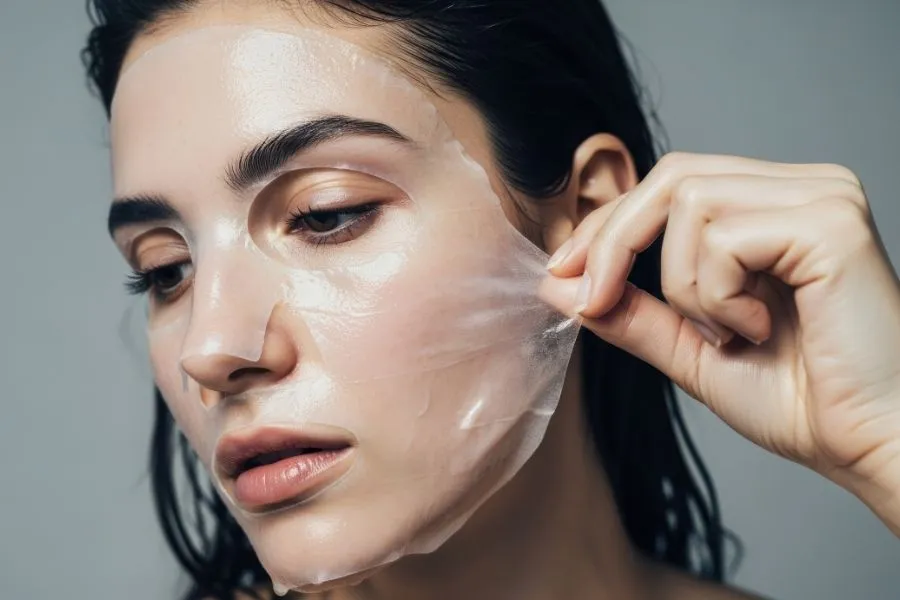 Korean cosmetics continue to gain traction worldwide as exports reach new record highs.It plans to gradually introduce a cosmetics safety assessment system in Korea that aligns with international standards, with roll-out scheduled in stages between 2028 and 2031. The phased approach is designed to give companies sufficient time to adapt their offerings, while ensuring that Korean regulations remain aligned with global requirements.
The planned measures will first target new functional cosmetics from large companies and later expand to children’s products and all other personal care solutions.
MFDS also plans to align Korea’s good manufacturing standards with the international ISO 22716 standards. The move would make it easier for Korean products to be accepted abroad.
Additionally, the agency will offer one-on-one consulting, expand its training programs, and enhance its AI-based regulatory support system.
“The ministry stated that it will continue to make every effort so that … Korean cosmetics can actively enter the global market,” the report concludes.